Cracking the Code: High Protein, Low Cost, Fitness-Friendly Meals
For many fitness enthusiasts, the trifecta of high protein, low cost, and delicious meals can seem like an impossible dream. Protein, often considered the most crucial macronutrient for muscle growth and recovery, tends to be the most expensive item on a grocery list. However, with strategic planning, smart shopping, and a bit of kitchen savvy, it’s entirely possible to fuel your fitness goals without emptying your wallet. This guide will show you how to master the art of budget-friendly, high-protein meal prep.

The High-Protein Hurdle: Why It’s Challenging (and How to Overcome It)
The primary reason protein can be a budget buster is the market price of lean meats like chicken breast, steak, and fish. While these are excellent protein sources, relying on them exclusively can quickly inflate your grocery bill. The key to overcoming this challenge lies in diversifying your protein sources and leveraging cost-effective options.
Strategic Protein Choices: Beyond the Breast
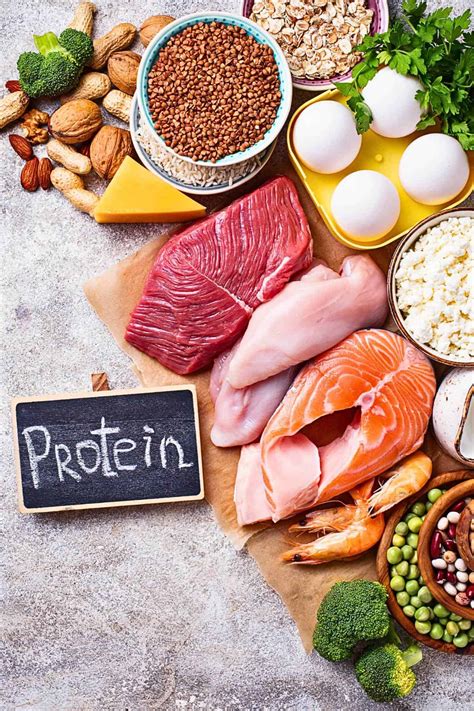
- Eggs: The ultimate budget protein. Versatile, nutrient-dense, and incredibly affordable.
- Chicken Thighs/Drumsticks: Often significantly cheaper than chicken breast and packed with flavor.
- Canned Tuna/Sardines: Excellent source of protein and omega-3s, perfect for quick salads or pasta dishes.
- Legumes (Lentils, Beans, Chickpeas): Inexpensive, high in protein and fiber, and incredibly filling.
- Tofu/Tempeh: Plant-based powerhouses that absorb flavors beautifully and are very budget-friendly.
- Ground Turkey/Chicken (on sale): Keep an eye out for sales, as ground options can be more economical.
- Cottage Cheese/Greek Yogurt: Dairy options that offer a significant protein punch for their cost.
Smart Carb & Fat Sources to Complement Your Protein
While protein is the focus, don’t forget your carbs and fats. Choosing affordable staples here further reduces costs:
- Carbohydrates: Oats, rice (brown, white, basmati), potatoes (sweet and regular), whole wheat pasta, frozen corn/peas.
- Healthy Fats: Olive oil (buy in bulk), nuts and seeds (when purchased in larger quantities), avocados (when on sale).
Money-Saving Strategies for Your Kitchen
It’s not just about what you buy, but how you buy and prepare it.
- Buy in Bulk (Wisely): Items like oats, rice, dried beans, and frozen vegetables are often cheaper when bought in larger quantities. Ensure you have storage space.
- Shop Sales and Use Coupons: Plan your meals around what’s on sale. Check weekly flyers and digital coupons.
- Cook Versatile Base Ingredients: Prepare large batches of ingredients like cooked chicken, roasted vegetables, or a big pot of rice/quinoa at the beginning of the week. These can be mixed and matched into various meals.
- Utilize Frozen Produce: Frozen fruits and vegetables are often cheaper than fresh, just as nutritious, and last much longer.
- Meal Plan Rigorously: A detailed weekly meal plan prevents impulse buys and ensures every ingredient serves a purpose, minimizing waste.
- Master One-Pot/Sheet Pan Meals: These reduce cleanup time and can be very efficient for cooking multiple servings.
- Pack Your Own Snacks: Avoid expensive convenience snacks by prepping your own hard-boiled eggs, fruit, or a handful of nuts.
Sample High-Protein, Low-Cost Meal Ideas
- Breakfast: Oatmeal with a scoop of protein powder or a couple of hard-boiled eggs on the side; Greek yogurt with frozen berries.
- Lunch: Lentil soup with a side of whole-wheat bread; canned tuna or chickpea salad wraps; large batch of bean chili.
- Dinner: Chicken and frozen veggie stir-fry with rice; baked eggs with potatoes and spinach; black bean burgers on whole wheat buns; shepherd’s pie with a lentil or ground turkey base.
- Snacks: Hard-boiled eggs, cottage cheese, Greek yogurt, handful of almonds, apple slices with peanut butter.
Putting It All Together: A Weekly Plan Example
Imagine a week where you prep:
- A large batch of slow-cooked chicken thighs or a big pot of lentil stew.
- A tray of roasted mixed vegetables (broccoli, carrots, bell peppers).
- A big container of cooked brown rice or quinoa.
- A dozen hard-boiled eggs.
With these staples, you can easily assemble varied meals: chicken and rice with veggies, lentil stew for lunch, eggs for breakfast or snacks, chicken salads, or even quick wraps. The possibilities are endless when you have your core components ready.
Conclusion
Fueling your fitness journey with high-protein meals on a tight budget is not just a pipe dream—it’s an achievable reality with a bit of planning and resourcefulness. By embracing diverse protein sources, smart shopping habits, and efficient meal prep strategies, you can maintain your health, hit your macros, and keep your finances in check. Start small, experiment with new recipes, and watch how easily you can transform your kitchen into a hub for affordable, high-performance nutrition.