The Octane Enigma: What’s the Real Difference?
Many drivers stand at the gas pump, pondering the choice between regular and premium fuel. Is premium truly better for your car, promising enhanced performance and superior mileage, or is it an unnecessary expense?
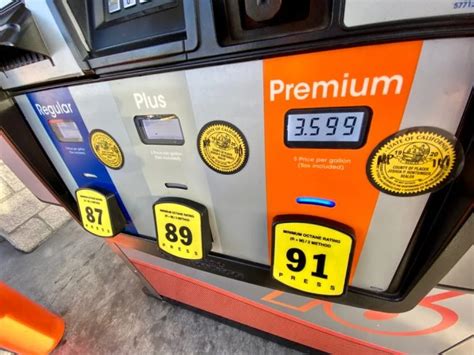
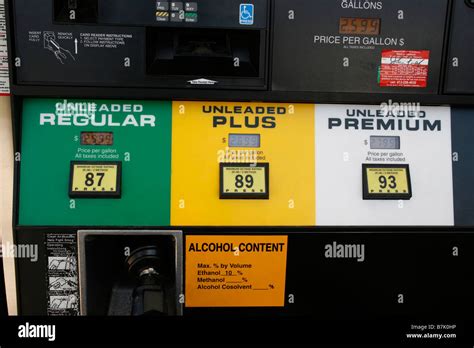
The primary difference between regular and premium gasoline lies in their octane rating. Octane is a measure of a fuel’s resistance to pre-ignition or “knocking.” A higher octane number indicates greater resistance to combustion under pressure. Regular gasoline typically has an 87 octane rating, while premium ranges from 91 to 93.
Engine Design Dictates Fuel Needs
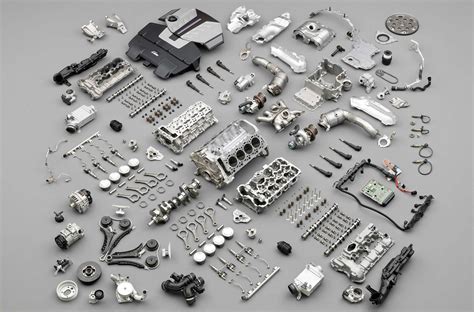
The crucial factor in deciding which fuel to use is your vehicle’s engine design. Engines with higher compression ratios or those equipped with turbochargers or superchargers generate more heat and pressure within the combustion chambers. These advanced engines are specifically engineered to perform optimally with higher-octane fuel to prevent pre-ignition, where the air-fuel mixture ignites prematurely before the spark plug fires.
Conversely, most standard, naturally aspirated engines are designed for 87 octane gasoline. Using premium fuel in an engine that doesn’t require it offers no discernible benefit to performance or fuel economy.
MPG and Performance: Dispelling Myths
A common misconception is that premium fuel will automatically boost your car’s miles per gallon (MPG) or significantly improve its performance. For vehicles designed to run on regular gas, this is generally untrue. The engine’s computer (ECU) is programmed for 87 octane, and feeding it higher octane fuel won’t magically unlock hidden power or efficiency.
In fact, some tests have shown no difference, or even a slight decrease, in MPG for regular-fueled cars using premium. The engine simply isn’t calibrated to take advantage of the premium fuel’s higher knock resistance.

Protecting Your Engine: Health and Longevity
Using the correct fuel for your vehicle is paramount for engine health. If your owner’s manual specifies premium fuel, using regular gas can lead to engine knocking or “pinging.” While modern cars have knock sensors and can adjust timing to compensate, continuous stress can still reduce engine efficiency and, over the very long term, potentially lead to wear.
For vehicles that recommend regular fuel, premium offers no additional protection or cleaning benefits. All grades of gasoline sold in the United States contain detergents and additives to keep your engine clean, as mandated by the EPA.
The Financial Impact: Where Savings Lie
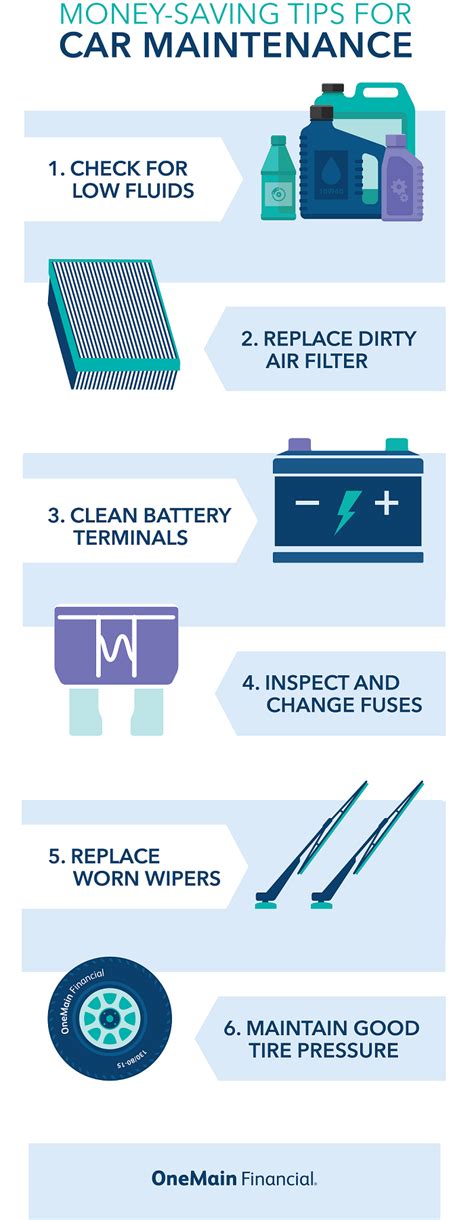
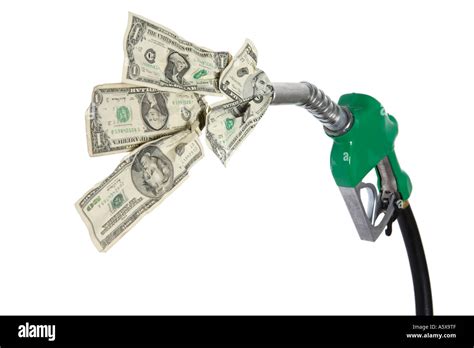
The price difference between regular and premium gas can be substantial, often 20 to 50 cents or more per gallon. Over the course of a year, these extra costs add up significantly. If your car is designed for regular fuel, sticking to it is the most straightforward way to save money without compromising performance or engine health.
Always refer to your car’s owner’s manual. If it states “premium required,” then pay the extra. If it says “premium recommended,” you might be able to use regular without issues, but monitor performance. If it says “regular required,” there’s no debate—stick to regular.
Conclusion: Follow Manufacturer Recommendations
The debate between premium and regular gasoline boils down to one critical piece of advice: consult your vehicle’s owner’s manual. For most cars on the road, regular 87 octane gasoline is perfectly adequate and provides the best value. Opting for premium when it’s not required won’t boost your MPG, enhance performance, or provide extra engine protection; it will only lighten your wallet.
However, if your high-performance or turbocharged engine explicitly requires premium fuel, using anything less could detrimentally affect its efficiency and longevity. Make an informed decision based on your car’s engineering, not on marketing myths or perceived benefits.