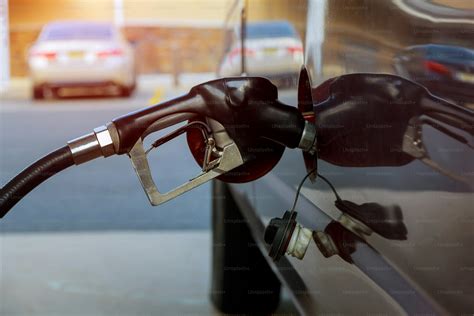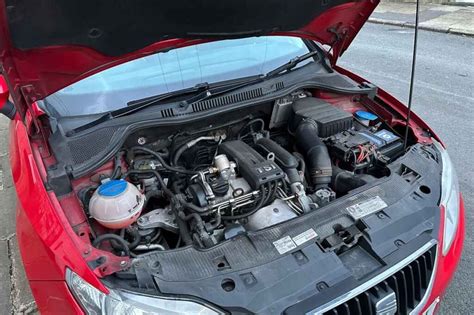
In an era of fluctuating fuel prices, every driver is looking for ways to stretch their dollar at the pump. While mindful driving habits certainly play a role, one of the most effective and often overlooked strategies for maximizing your vehicle’s Miles Per Gallon (MPG) is consistent and essential car maintenance. Think of it as investing in your car’s health to yield significant returns in fuel economy.
The Hidden Cost of Neglect: Why Maintenance Matters
Many drivers defer maintenance, viewing it as an avoidable expense. However, neglecting routine services can lead to a domino effect of inefficiencies. Components that are worn, dirty, or malfunctioning force your engine to work harder, consume more fuel, and ultimately increase your operational costs. Proactive maintenance, on the other hand, ensures all systems are working optimally, allowing your engine to run efficiently and sip fuel rather than guzzle it.

Tire Pressure and Alignment: Your First Line of Defense
Under-inflated tires are a silent MPG killer. They increase rolling resistance, making your engine work harder to move the vehicle. Properly inflated tires, checked monthly, can improve fuel efficiency by up to 3%. Similarly, proper wheel alignment reduces drag and ensures your tires wear evenly, contributing to better fuel economy and extending tire life.
Engine Air Filter: The Engine’s Breath
Your engine needs a constant supply of clean air to mix with fuel for combustion. A clogged or dirty engine air filter restricts this airflow, forcing the engine to compensate by burning more fuel. Replacing a dirty air filter can improve your MPG by as much as 10%, especially in older vehicles or those driven in dusty conditions. It’s a simple, inexpensive fix with a significant impact.

Spark Plugs: Igniting Efficiency
Spark plugs ignite the air-fuel mixture in your engine’s cylinders. Worn or fouled spark plugs can lead to misfires, incomplete combustion, and wasted fuel. While modern plugs are designed to last tens of thousands of miles, replacing them according to your manufacturer’s schedule ensures an efficient spark, contributing to optimal fuel burn and better MPG.
Oil Changes: Smooth Operation, Better MPG
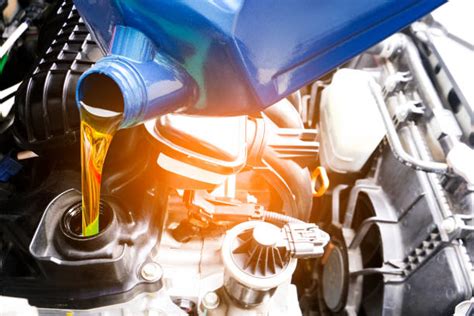
Engine oil lubricates moving parts, reduces friction, and helps cool the engine. Old, dirty oil loses its viscosity and lubricating properties, increasing friction within the engine. This makes the engine work harder, consuming more fuel. Regular oil changes with the manufacturer-recommended oil type and grade reduce friction, allowing the engine to operate more smoothly and efficiently.
Fuel System Maintenance: Cleanliness is Key
A clean fuel system is paramount for good MPG. This includes the fuel filter and fuel injectors. A dirty fuel filter can restrict fuel flow to the engine, causing it to struggle. Clogged fuel injectors can lead to an inefficient spray pattern, resulting in incomplete combustion and wasted fuel. Regular cleaning or replacement of these components ensures fuel is delivered efficiently and atomized correctly.
Oxygen Sensors: The Engine’s Information Hub
Oxygen sensors monitor the amount of unburnt oxygen in your exhaust, sending critical data to your car’s engine control unit (ECU) to optimize the air-fuel mixture. A faulty or sluggish oxygen sensor can feed incorrect information, leading the ECU to enrich the fuel mixture unnecessarily, potentially decreasing your MPG by up to 40%. Replacing a failing O2 sensor is a must for fuel efficiency.

Conclusion: Invest in Maintenance, Reap Fuel Savings
Maximizing your MPG isn’t just about how you drive; it’s fundamentally about how you care for your vehicle. By adhering to a regular maintenance schedule that includes checking tire pressure, replacing filters and spark plugs, changing oil, and ensuring your fuel and oxygen systems are in top condition, you’re not just extending the life of your car. You’re actively reducing your carbon footprint and, more immediately, putting significant savings back into your pocket. Essential car maintenance is the smartest investment you can make for consistent fuel savings.