Navigating the Financial Landscape: A Man’s Guide to Debt and Wealth
For many men, the journey to financial security can feel like a complex maze, often fraught with the burden of debt and the daunting task of building lasting wealth. Whether it’s student loans, credit card balances, or a mortgage, debt can be a significant obstacle to achieving financial freedom. However, with a strategic approach and consistent discipline, it’s entirely possible not only to conquer debt but also to lay a robust foundation for wealth creation. This guide delves into actionable strategies designed to empower men to take control of their finances, turn obstacles into opportunities, and build a prosperous future.

Step One: Understand Your Financial Battlefield
Before any battle can be won, you must understand the terrain. The first crucial step is to gain a clear, honest picture of your current financial situation. This involves a comprehensive review of your income, expenses, assets, and liabilities. Create a detailed budget that tracks every dollar coming in and going out. Use budgeting apps, spreadsheets, or even pen and paper – consistency is key. Identify where your money is going and where you might be able to cut back. Equally important is to list all your debts, noting the total amount owed, interest rates, and minimum monthly payments. Knowing these numbers is the bedrock of any successful financial strategy.
Strategic Debt Obliteration: Tackling What You Owe
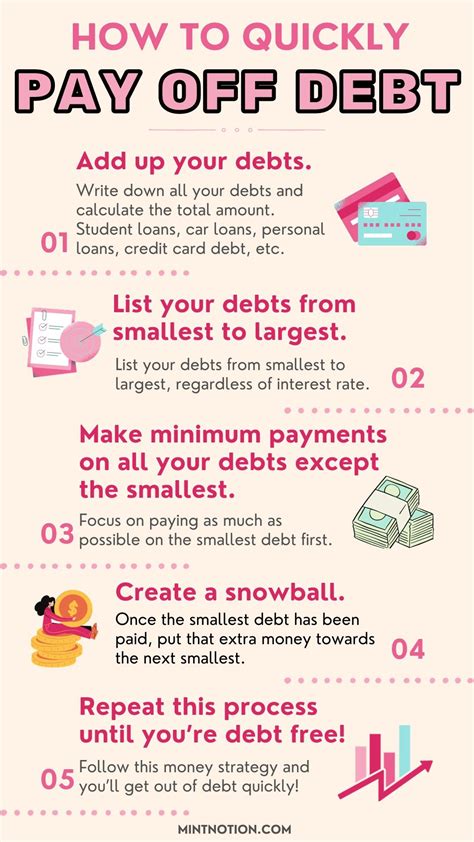
Once you understand your debt profile, it’s time to formulate a plan to eliminate it efficiently. Two popular strategies stand out: the debt snowball and the debt avalanche. The debt snowball method involves paying off your smallest debts first, regardless of interest rate, to build momentum and motivation. Once the smallest debt is paid, you roll that payment into the next smallest debt, and so on. The debt avalanche method, on the other hand, prioritizes debts with the highest interest rates first. This method saves you the most money in interest over time. Choose the method that best aligns with your personality and financial discipline.
Consider refinancing high-interest debts, such as personal loans or credit card balances, into a lower-interest consolidation loan. This can significantly reduce your monthly payments and the total interest paid over the life of the loan. Always explore all options, including negotiating with creditors for lower rates or a more manageable payment plan, especially if you’re facing hardship.

Building Wealth: From Saving to Investing
While paying down debt, it’s vital not to neglect wealth building. These two goals can (and should) run concurrently. Start by establishing an emergency fund, aiming for 3-6 months’ worth of living expenses saved in an easily accessible, high-yield savings account. This fund acts as a critical safety net, preventing you from incurring new debt when unexpected expenses arise.
Once your emergency fund is solid, focus on investing. Begin by contributing to employer-sponsored retirement plans like a 401(k) or 403(b), especially if there’s an employer match – it’s essentially free money. Next, explore individual retirement accounts (IRAs), such as a Roth IRA or Traditional IRA, based on your income and tax situation. Diversify your investments across different asset classes like stocks, bonds, and real estate to mitigate risk. Consider consulting with a financial advisor to create a personalized investment plan that aligns with your long-term goals and risk tolerance.

Cultivating a Wealth-Building Mindset and Discipline
Strategic financial management isn’t just about numbers; it’s also about mindset and discipline. Develop a long-term perspective, understanding that building wealth is a marathon, not a sprint. Avoid lifestyle inflation, which is the tendency to increase spending as your income grows. Instead, direct a portion of every raise or bonus towards debt reduction or investment. Continuously educate yourself about personal finance, investing, and market trends. Read books, listen to podcasts, and seek out reputable financial news. Surround yourself with a network that encourages financial responsibility and growth.

The Power of Consistency and Professional Guidance
Mastering your money requires consistency. Regularly review your budget, track your progress, and adjust your strategies as life circumstances change. Don’t be afraid to seek professional guidance. A certified financial planner can provide invaluable insights, help you set realistic goals, and keep you accountable. They can also assist with complex areas like tax planning, estate planning, and advanced investment strategies. Taking these proactive steps will not only help you strategically pay down debt but also confidently build substantial wealth, securing a prosperous financial future for yourself and your loved ones.