Why Fit is the Foundation of Sharp Style
In the world of men’s fashion, trends come and go, but one fundamental principle remains timeless and paramount: fit. No matter how expensive or luxurious your clothes are, if they don’t fit well, they won’t look good. A sloppy fit can undermine your entire appearance, making you look disheveled and less confident. Conversely, a perfect fit can elevate even the most basic garments, making you appear polished, put-together, and authoritative. Mastering the nuances of how your shirts and pants should sit on your body is not just about looking better; it’s about feeling better and projecting an image of care and sophistication.
The Art of the Perfect Shirt Fit
Your shirt is often the first thing people notice, so its fit is crucial. It’s a delicate balance between comfort and crispness.
Shoulders: The Starting Point
The shoulder seams are the most critical indicator of a well-fitting shirt. They should sit precisely where your shoulder meets your arm, not hanging over your deltoids nor pulling inwards towards your neck. This ensures the rest of the shirt drapes correctly across your chest and back without excess fabric or strain.
Chest and Torso: Streamlined, Not Constricting
A good shirt should provide enough room to move comfortably without billowing. The fabric across your chest and back should be smooth, without any pulling or creasing when you stand naturally. Similarly, the torso should taper slightly, following the natural curve of your body without being skin-tight. You should be able to pinch about 1 to 2 inches of fabric at your sides.
Sleeves and Cuffs: The Right Length and Snugness
Shirt sleeves should end just where your wrist meets your hand, allowing about half an inch to an inch of cuff to show beneath a suit jacket. The sleeve width should be slim enough to avoid excessive fabric, yet loose enough for comfortable movement. Cuffs should be snug enough to prevent the shirt from slipping too far down your hand, but still allow you to check your watch without unbuttoning.
Length: Tucked vs. Untucked
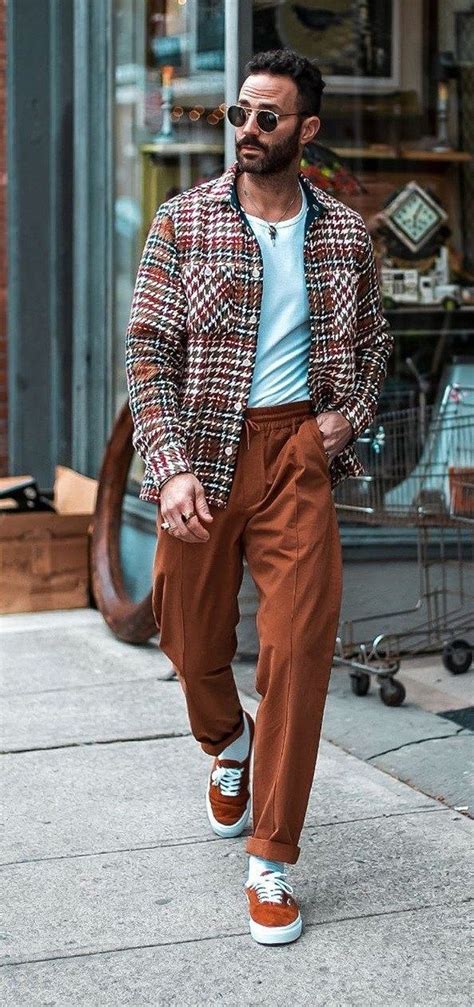
For a shirt meant to be tucked in, the hem should be long enough to stay tucked even when you raise your arms. For casual shirts worn untucked, the hem should fall no lower than the bottom of your fly and no higher than your belt. This ensures a clean, proportionate look.
Perfecting Your Lower Half: Pants Fit
Pants are equally vital to a sharp silhouette. Getting the fit right can make your legs look longer, your frame more balanced, and your entire outfit more refined.
Waist and Rise: Comfort Meets Precision
The waistband of your pants should sit comfortably at your natural waist or just below, without requiring a belt to hold them up. You should be able to slide two fingers into the waistband, but no more. The rise – the distance from the waistband to the crotch – is crucial. A proper rise prevents sagging and ensures the pants sit correctly, avoiding uncomfortable bunching or pulling.
Thigh and Seat: Smooth and Proportional
Pants should drape smoothly over your thighs and seat without being too tight or too baggy. There should be no horizontal lines forming around your crotch or pulling across your thighs. Aim for a fit that allows freedom of movement but doesn’t have excess fabric that bunches up when you walk or sit.
The “Break” and Length: A Matter of Personal Preference
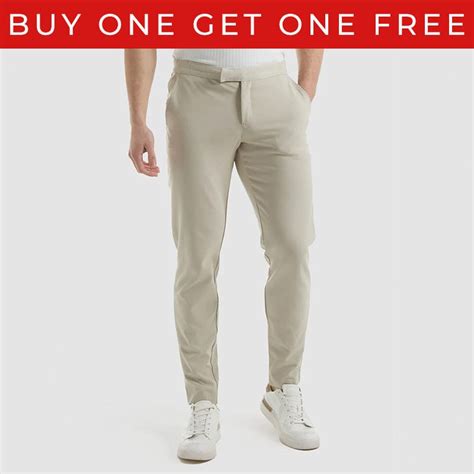
The ‘break’ refers to the slight crease formed when the pant hem meets your shoe. Traditional style often dictates a slight to medium break, where the front of the hem gently rests on your shoes. Modern styles sometimes favor no break or even a cropped look. Whichever you prefer, the key is consistency and ensuring the back of the pant leg falls to the top of your shoe’s heel, not dragging on the ground.
The Tailor’s Touch: Your Secret Weapon
Very few men are standard sizes, which is why off-the-rack clothing rarely fits perfectly. This is where a good tailor becomes invaluable. Even minor alterations can transform a good garment into a great one.
Common Shirt Alterations
- Taking in the sides: To achieve that perfect taper.
- Shortening sleeves: For the ideal cuff length.
- Adjusting sleeve width: To remove excess fabric.
Common Pant Alterations
- Hemming: To get your desired break or length.
- Tapering legs: To achieve a modern, slimmer silhouette.
- Adjusting the waist: For a perfect, comfortable fit.
Beyond the Basics: Fabric and Style
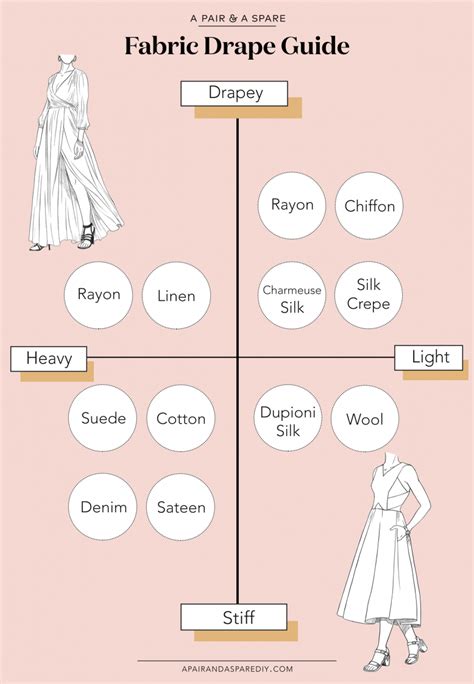
While fit is king, the fabric and style of your garments also play a role in their overall appearance. Choose fabrics that drape well and complement your body type. Structured fabrics like crisp cottons or wools hold their shape, emphasizing a sharp fit, while softer knits or linens might have a more relaxed drape that still looks intentional when the dimensions are correct.
The Confidence of a Good Fit
Investing time in understanding and achieving proper fit for your shirts and pants is one of the most impactful steps you can take to elevate your personal style. It’s not about vanity; it’s about respect for yourself and how you present to the world. A well-fitting wardrobe enhances your natural physique, conveys attention to detail, and significantly boosts your confidence. Say goodbye to sloppy and embrace the sharp, polished look that only a perfect fit can provide.