The Premium Fuel Dilemma: A Common Concern
For many car owners, the decision at the pump is often a moment of contemplation: should I splurge on premium gas, or will regular suffice? Beyond the immediate impact on your wallet, a common belief persists that premium fuel offers superior protection, extending the life of your engine. For a daily driver – a vehicle relied upon for everyday commutes and tasks – understanding the truth behind this claim is crucial. Is premium gas truly an investment in your engine’s longevity, or simply an unnecessary expense?
Understanding Octane Ratings and Engine Knock
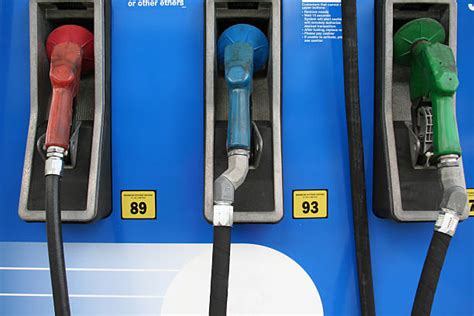
To unravel this mystery, we first need to understand what ‘premium’ fuel actually means. The key difference lies in the octane rating. Octane is a measure of a fuel’s resistance to pre-ignition or ‘engine knock’ – a phenomenon where the fuel-air mixture ignites prematurely under compression, creating a pinging or knocking sound. This uncontrolled combustion can stress engine components over time. Higher octane fuels (like 91 or 93 RON, commonly labeled ‘premium’) are more resistant to knock than lower octane fuels (like 87 RON, ‘regular’).
How Engine Design Dictates Fuel Needs
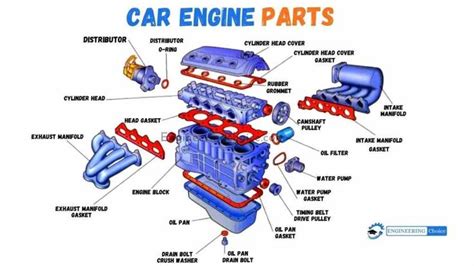
Modern engines are highly sophisticated, equipped with sensors and computer systems that continuously monitor performance and adjust timing. The crucial factor in determining if your car needs premium gas is its design. High-performance engines, particularly those with high compression ratios, turbochargers, or superchargers, generate more heat and pressure. These engines are specifically designed to require higher octane fuel to prevent knock and operate efficiently. Using lower octane fuel in such engines can lead to the engine’s computer retarding ignition timing to prevent damage, which in turn reduces power and fuel efficiency.
Does Premium Gas Clean My Engine or Prolong Its Life?
One prevalent myth is that premium gasoline contains more detergents or special additives that clean your engine better, thereby extending its life. While all gasoline sold in the U.S. (and many other countries) must meet certain standards for detergent additives to prevent carbon buildup, premium fuels don’t inherently contain a significantly higher concentration or better quality of these additives than regular gas. The EPA mandates minimum detergent levels for all grades of fuel, and some brands go above and beyond with ‘Top Tier’ certified fuels, regardless of octane rating.
For an engine designed to run on regular 87 octane fuel, using premium 91 or 93 octane offers no discernible benefit for engine longevity. Its resistance to knock is simply not needed. The engine’s computer will not advance timing beyond its designed parameters, nor will it unlock hidden power or magically clean internal components more effectively. You’re essentially paying for an anti-knock property your engine doesn’t require.
When Premium Is (and Isn’t) Worth It for Engine Life
The answer to our core question lies in your car’s owner’s manual. Look for the ‘Recommended Fuel’ or ‘Required Fuel’ section:
- If your manual states ‘Premium Fuel REQUIRED’: Using regular gas will likely cause your engine to retard timing, leading to reduced performance, poorer fuel economy, and over time, potentially accelerating wear on engine components due to suboptimal operation. In this case, premium is absolutely worth the extra cost for protecting your engine’s life.
- If your manual states ‘Premium Fuel RECOMMENDED’: Your car is designed to run optimally on premium, but can safely operate on regular. The engine’s computer will adjust. You might experience a slight dip in horsepower or fuel efficiency, but no long-term damage to engine life. The ‘worth’ here is in maximizing performance, not necessarily longevity.
- If your manual states ‘Regular Unleaded Fuel’: Using premium gas is a waste of money. It will not improve engine life, performance, or fuel economy. Your engine is designed for 87 octane, and anything higher offers no additional benefit.

The Verdict for Your Daily Driver
For the vast majority of daily drivers, which are designed to run perfectly fine on regular unleaded gasoline, premium gas is not worth the extra cost for extending engine life. Modern engines are built with robust materials and precise control systems that ensure longevity when fueled with the octane rating they were engineered for. Saving money at the pump by using the correct, lower-octane fuel will not only keep more cash in your pocket but also cause no harm to your engine.
Focus on regular oil changes, timely maintenance, and using high-quality (often Top Tier certified) fuel of the correct octane rating specified by your manufacturer to ensure your daily driver’s engine enjoys a long and healthy life.