Understanding Octane: More Than Just a Higher Price Tag
Many drivers wonder if shelling out extra for premium gasoline is a smart investment for their vehicle. The belief is common: premium fuel equals better performance, cleaner engines, and a longer lifespan. But is there truth to this, or is it a widespread misconception? Let’s delve into the science behind gasoline and discover what your car truly needs.
At its core, the primary difference between regular, mid-grade, and premium gasoline is its octane rating. Octane isn’t a measure of energy content or purity; it’s a measure of a fuel’s resistance to pre-ignition, also known as “knocking” or “pinging.” When fuel and air compress in an engine cylinder, it can spontaneously combust before the spark plug fires. This uncontrolled combustion, or knock, can be detrimental to an engine.

Does Your Car Actually Require Premium Fuel?
The definitive answer to whether your car needs premium gas can almost always be found in one place: your owner’s manual. Car manufacturers specify the minimum octane rating required for optimal engine operation. If your manual states “regular unleaded gasoline,” then using premium offers no additional benefit and is simply a waste of money.
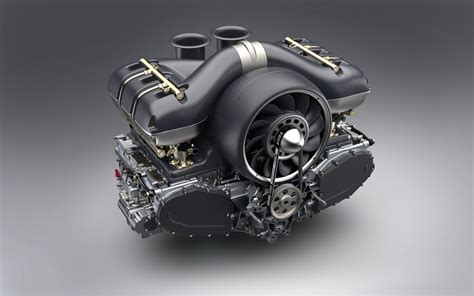
Engines designed for premium fuel typically have higher compression ratios or incorporate forced induction (turbochargers or superchargers). These designs create more heat and and pressure within the combustion chambers, making them more susceptible to pre-ignition. Premium fuel, with its higher octane, is formulated to resist this pre-ignition under such demanding conditions, ensuring the engine runs as intended.

Debunking Performance and Fuel Economy Myths
Many consumers believe that premium gas will boost their car’s horsepower, improve acceleration, or even deliver better fuel economy. For vehicles not specifically designed for premium fuel, these claims are largely myths.
If your engine is designed for regular unleaded, its computer (ECU) is calibrated to operate efficiently with that octane level. Adding higher octane fuel won’t suddenly unlock hidden power or magically improve mileage. In fact, some tests have shown a negligible, if any, difference, and in some rare cases, slightly worse performance, as the ECU isn’t optimized for the slower burn rate of higher octane fuel.
Impact on Engine Life and Longevity
The concern that using regular gas in a premium-recommended car will damage the engine is valid, but modern vehicles are incredibly smart. Most contemporary engines have knock sensors that detect pre-ignition. If knock is detected, the engine’s computer will automatically retard the ignition timing to prevent damage. This adaptation protects the engine, but it comes at the cost of slightly reduced performance and fuel efficiency.
Therefore, consistently using regular fuel in a car that requires premium will not typically cause immediate catastrophic damage due to the protective measures. However, it will prevent the engine from delivering its designed performance and efficiency, and over a very long term, could lead to increased wear on components due to constant timing adjustments.
When is Premium Worth It?
So, when should you use premium gas? Always refer to your car’s owner’s manual. If it “requires” premium fuel, then you should use it to ensure optimal performance, efficiency, and engine longevity. If it “recommends” premium, you can generally use regular without harm, but you might experience a slight, often unnoticeable, drop in power or fuel economy. For most cars that simply “recommend” premium, the slight performance gain is usually not worth the significant extra cost.
Vehicles that typically require premium include high-performance sports cars, luxury vehicles, and many turbocharged or supercharged models. These engines are finely tuned to take advantage of premium fuel’s higher knock resistance.

The Verdict: Follow Your Manual, Not the Marketing
In conclusion, the question of whether premium gas is worth the cost boils down to your specific vehicle’s design and manufacturer’s recommendations. For the vast majority of cars on the road, using premium fuel when it’s not required is an unnecessary expense with no tangible benefits to performance, engine cleanliness, or lifespan. Save your money and stick to the octane level specified in your owner’s manual. Your car, and your wallet, will thank you.