The Premium Fuel Dilemma: A Common Misconception
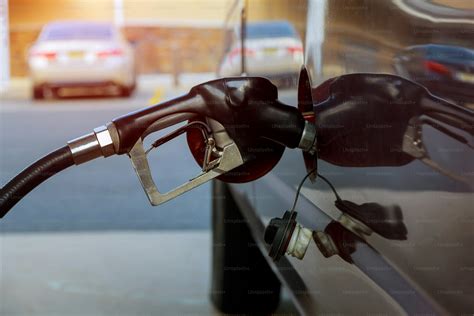
For decades, car owners have faced a recurring question at the pump: should I opt for regular or premium gas? The allure of premium fuel often comes with promises of enhanced engine performance, better fuel economy, and even extended engine life. But is there truth to these claims, or are we simply paying more for a perceived benefit that our car doesn’t truly need?
Understanding Octane: What’s in a Number?
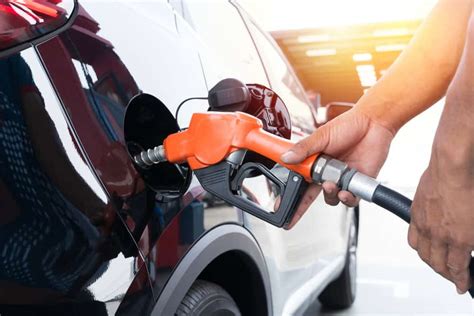
The primary difference between regular and premium gasoline is its octane rating. Regular unleaded typically has an 87 octane rating, while premium ranges from 91 to 93. Octane is a measure of a fuel’s ability to resist ‘knock’ or ‘pre-ignition,’ which is when the air-fuel mixture ignites prematurely in the cylinder before the spark plug fires.
Engines with higher compression ratios or forced induction (turbochargers, superchargers) generate more heat and pressure, making them more susceptible to knocking. These engines are specifically designed by manufacturers to run on higher octane fuel to prevent damage and ensure optimal performance.
Engine Performance: Is Premium Always Better?
For Cars Requiring Premium Fuel
If your car’s manufacturer explicitly states that premium fuel is required in the owner’s manual, then using it is essential. These vehicles’ engines are tuned to take advantage of the higher octane. Using regular gas in such an engine can lead to:
- Reduced performance (horsepower and torque).
- Decreased fuel economy.
- Engine knocking or pinging, which can eventually cause long-term damage.
- The engine’s computer adjusting ignition timing to compensate, leading to less efficient operation.

For Cars Not Requiring Premium Fuel
Here’s where the biggest misconception lies. If your car is designed to run on regular 87 octane fuel, putting premium gas in the tank will offer absolutely no benefit. Your engine’s computer system is programmed for 87 octane, and it cannot ‘adapt’ or ‘tune itself’ to extract more power or efficiency from higher octane fuel.
In fact, you’re essentially just wasting money. Independent tests by automotive experts and organizations like AAA have consistently shown no measurable improvement in horsepower, acceleration, or fuel economy when premium gas is used in a vehicle designed for regular.
The Myth of Long-Term Savings
Fuel Economy
Many believe that premium gas will give them better miles per gallon, thus saving money in the long run. As mentioned, for vehicles that don’t require it, this is false. The energy content of regular and premium gasoline is virtually identical. Any perceived increase in mileage is likely due to other factors, such as driving habits or external conditions, rather than the fuel itself.
Engine Longevity and Maintenance
Another common belief is that premium gas, with its potentially higher detergent additives, cleans the engine better or prolongs its life. While fuel quality and additives are important, modern regular unleaded fuels are already mandated to contain detergents that keep your engine clean. Upgrading to premium solely for this reason is generally unnecessary for engines designed for regular fuel.
When is Premium Gas Truly Worth It?
Premium gas is worth the extra cost in these specific scenarios:
- If Your Owner’s Manual Requires It: This is the most critical factor. Always follow the manufacturer’s recommendation.
- If Your Car ‘Recommends’ Premium, But Allows Regular: Some vehicles ‘recommend’ premium but state that regular is acceptable. In these cases, the engine can adjust, but you might experience a slight dip in peak performance or fuel economy. Testing both options might be worthwhile if you track your mileage and performance closely.
- Persistent Engine Knock/Pinging: If your car, designed for regular fuel, consistently experiences knocking or pinging even after maintenance checks, trying a tank of premium might temporarily alleviate the issue. However, this is usually a symptom of an underlying problem that should be diagnosed by a mechanic.
- High-Performance Driving: If you regularly push your high-performance vehicle to its limits on a track, premium fuel will ensure the engine delivers its designed power output without risk of pre-ignition.

The Bottom Line: Consult Your Owner’s Manual
The definitive answer to whether premium gas is worth it lies in your car’s owner’s manual. This document is your vehicle’s bible and explicitly states the recommended fuel type. Ignoring it can lead to either unnecessary spending or potential engine damage.
For the vast majority of drivers whose vehicles are engineered for regular gasoline, the extra expense of premium fuel offers no tangible benefits in terms of performance, fuel economy, or long-term engine health. Stick to what your car needs, and enjoy the real savings at the pump.