Understanding the Premium Fuel Dilemma
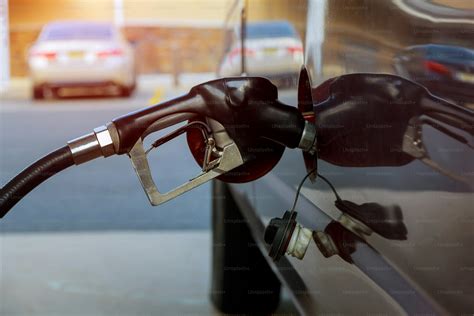
For many car owners, the decision at the gas pump can be a perplexing one: Regular or Premium? The higher price tag on premium fuel often sparks a hope that it offers superior performance, better fuel economy, or even a cleaner engine. However, the truth is more nuanced, and for a vast majority of vehicles, opting for premium fuel when it’s not required is akin to throwing money away.
What Exactly is Octane Rating?
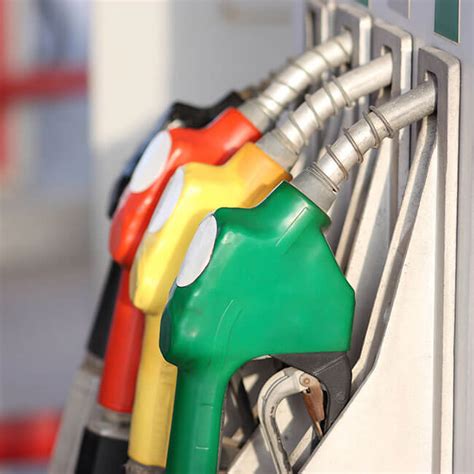
The primary difference between regular and premium gasoline is its octane rating. Regular unleaded typically has an octane rating of 87, while premium often ranges from 91 to 93. Octane isn’t a measure of energy content or purity; rather, it indicates a fuel’s resistance to pre-ignition, also known as engine knocking or pinging.
Engine knocking occurs when the fuel-air mixture ignites prematurely in the engine’s cylinders, before the spark plug fires. This uncontrolled combustion can create a metallic rattling sound and, over time, can cause significant engine damage. Higher-octane fuels are less prone to this spontaneous combustion under pressure, making them suitable for engines with higher compression ratios or forced induction (turbochargers/superchargers) that generate more heat and pressure.
Does Your Car Actually Need Premium Fuel?
The definitive answer to this question lies within your car’s owner’s manual. Manufacturers explicitly state the recommended fuel type for each vehicle. If your manual specifies “premium fuel required” or “91+ octane only,” then you should always use premium. These engines are designed with high compression ratios or advanced timing that necessitate the knock resistance of higher-octane fuel to perform optimally and prevent damage.
However, if your manual states “regular fuel recommended” or “87 octane recommended,” using premium fuel will provide no benefit. Modern cars with engines designed for regular gasoline have sophisticated knock sensors and engine control units (ECUs) that can detect knocking and adjust ignition timing accordingly. While these systems can prevent damage if you accidentally use lower-octane fuel in a premium-required car, they cannot magically extract more power or efficiency from premium fuel in a car designed for regular.
The Myth of Enhanced Performance and Cleanliness
Many drivers believe premium fuel offers a performance boost or keeps their engine cleaner. For a car not designed for it, this is largely a myth.
- Performance: If your car is built to run on 87 octane, its engine control unit is calibrated for that fuel. Putting 91 octane in it won’t unlock hidden horsepower or improve acceleration. In some cases, the engine might even slightly retune itself to the higher octane, potentially leading to a marginal *decrease* in efficiency as it anticipates more resistance to knocking than necessary.
- Fuel Economy: Similarly, using premium fuel in a car that doesn’t require it typically won’t improve your miles per gallon. The energy content of different octane fuels is virtually the same. Any perceived gain is more likely attributable to other factors like driving conditions or placebo effect.
- Engine Cleanliness: All grades of gasoline sold in the United States contain detergent additives mandated by the EPA to prevent engine deposits. Premium fuels don’t inherently contain more or better cleaning additives than regular fuels. If you’re concerned about engine cleanliness, focus on using “TOP TIER” certified gasoline, regardless of octane, as these brands voluntarily exceed EPA minimum additive requirements.

When Premium Fuel Might Be Justified (Even if Not Required)
While generally not necessary for regular-recommended cars, there are very rare circumstances where a temporary switch might be considered, though often with minimal benefit:
- Extreme Heat or Heavy Loads: If you’re driving in very hot weather or towing heavy loads up steep inclines, your engine might experience increased stress and heat, making it slightly more prone to knocking. In older vehicles without advanced knock sensors, a higher octane fuel might offer a minor safeguard. However, modern engines usually handle this by adjusting timing automatically.
- Older, Higher Mileage Engines: Some older engines might develop carbon deposits that increase the effective compression ratio, leading to occasional knocking even on regular fuel. In such cases, premium fuel could mitigate the knocking, but a better solution would be to address the underlying carbon buildup.

The Bottom Line: Consult Your Owner’s Manual
For the vast majority of drivers, if your car’s manufacturer recommends regular 87 octane fuel, sticking to it is the smartest choice. You won’t gain any performance benefits, improve fuel economy, or clean your engine better by using premium. Instead, you’ll simply be spending an extra 20 to 60 cents per gallon for no tangible return.
Save your money and use it for essential maintenance, quality tires, or even just a nice cup of coffee. When it comes to premium fuel, the answer for most cars is clear: it’s a waste of money at the pump.