Decoding the Premium Fuel Debate
The choice at the gas pump can often be perplexing. Beyond deciding between regular, mid-grade, and premium, a common question lingers: Is premium fuel really worth the extra cost for your vehicle’s performance and fuel economy? Many drivers opt for higher-octane fuel believing it will boost horsepower, clean the engine, or improve miles per gallon (MPG). However, the reality is often more nuanced than these popular perceptions.
Understanding Octane Ratings and Engine Requirements
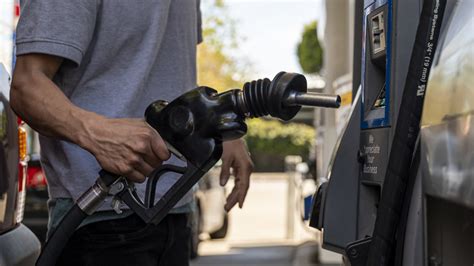
The primary difference between regular and premium fuel is its octane rating. Octane isn’t a measure of energy content; rather, it indicates a fuel’s resistance to pre-ignition or “knocking.” Engine knock occurs when the fuel-air mixture ignites prematurely, out of sync with the spark plugs, which can lead to inefficient combustion and potential engine damage over time. Regular unleaded typically has an octane rating of 87, while premium often ranges from 91 to 93.
Your car’s engine is designed to operate efficiently on a specific octane level. The most reliable way to determine if your vehicle needs premium fuel is to check your owner’s manual. Manufacturers like Mercedes-Benz, BMW, and many performance-oriented vehicles explicitly state “Premium Fuel Required” because their high-compression, turbocharged, or supercharged engines demand higher octane to prevent knocking and optimize performance.

Performance: Fact vs. Fiction
For vehicles that require premium fuel, using it is crucial to achieve the advertised horsepower and torque. These engines are tuned to extract maximum power from higher-octane fuel, and using regular can actually reduce performance as the engine’s computer adjusts timing to prevent knock. This adjustment, known as retarding the spark, can lead to a noticeable decrease in power and responsiveness.
However, if your car’s manual recommends or requires regular unleaded fuel, using premium will not provide any performance benefits. Injecting higher-octane fuel into an engine not designed for it is akin to giving a fish a bicycle – it simply won’t help. The engine’s computer will not be able to take advantage of the increased knock resistance, and you will effectively be burning money without gaining any extra horsepower or acceleration.

The MPG Myth: Does Premium Fuel Improve Fuel Economy?
Another common misconception is that premium fuel delivers better miles per gallon. For the vast majority of cars designed for regular unleaded, there is no verifiable increase in fuel efficiency when using premium fuel. As with performance, an engine not tuned for higher octane cannot extract any additional energy or operate more efficiently from it.
In fact, some studies and consumer reports have shown that for regular-fuel vehicles, using premium can sometimes even result in a slight decrease in MPG, likely due to no benefit offsetting the cost. The best way to improve your car’s fuel economy is through proper maintenance, sensible driving habits, and ensuring your tires are correctly inflated, not by upgrading your fuel.
The Cost-Benefit Analysis
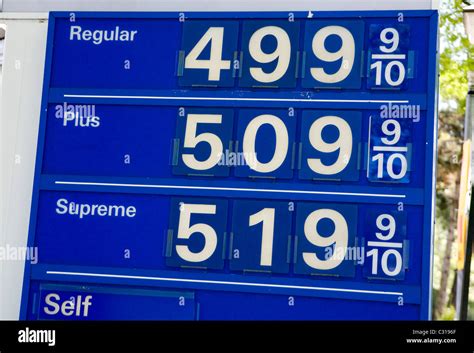
Premium fuel typically costs anywhere from 20 to 60 cents more per gallon than regular unleaded. Over the course of a year, this can amount to hundreds of dollars in extra expenses, particularly if you drive frequently. If your car doesn’t require premium fuel, this additional cost is essentially wasted money that could be better spent on other vehicle maintenance, savings, or even just a good coffee.
When to use premium fuel:
- If your owner’s manual explicitly states “Premium Fuel Required” or “Recommended.” This is the most critical factor.
- If you notice persistent engine knocking or pinging, even with regular fuel, and your car is designed to take higher octane. (Though a check-up by a mechanic is also advised).
- When towing heavy loads or driving in extreme conditions with a vehicle that recommends, but doesn’t require, premium fuel. In some older or high-stress scenarios, the extra knock resistance might offer a marginal benefit.

Conclusion: Make an Informed Choice
For most drivers, the answer to whether premium fuel is worth the cost is a resounding no, unless your vehicle specifically requires it. Always refer to your car’s owner’s manual for the definitive answer. Using the correct octane fuel ensures your engine operates as intended, optimizing both performance and longevity, without unnecessary expenditure. Don’t fall prey to marketing hype or anecdotal evidence; stick to what your manufacturer recommends and save your money for where it truly counts.