Decoding the Octane Question for Your Commute
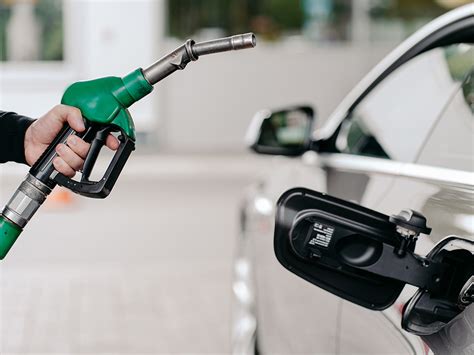
The fuel pump often presents us with a choice: regular, mid-grade, and premium gasoline. For many, the temptation to opt for the more expensive premium fuel stems from a belief that it will somehow boost their car’s performance, improve fuel economy, or even extend engine life. But is this extra cost genuinely justified for your everyday commute, or is it simply a marketing ploy that drains your wallet?
Understanding the difference between these fuel types, particularly regular versus premium, is crucial. The primary distinction lies in their ‘octane rating’. Octane is a measure of a fuel’s resistance to ‘knock’ or ‘pre-ignition’ – a phenomenon where the fuel ignites spontaneously before the spark plug fires, which can damage an engine over time.
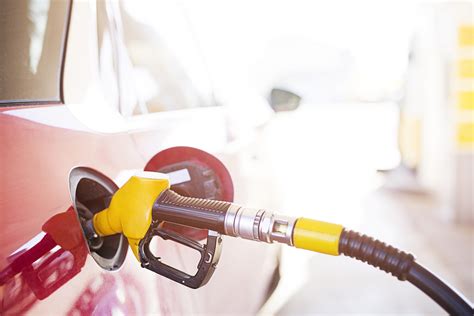
Octane and Engine Design: A Crucial Link
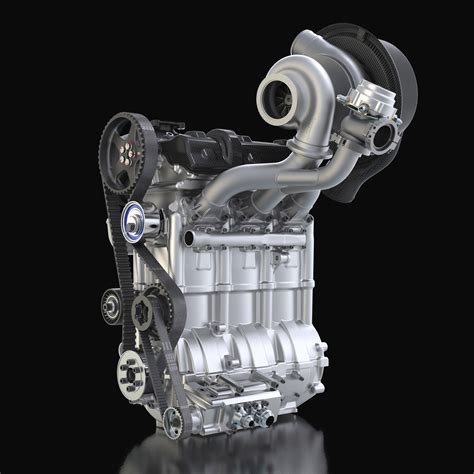
Engines are designed to operate optimally with a specific octane level. High-performance vehicles, especially those with turbocharged or supercharged engines, and cars with high compression ratios, typically require premium fuel (91+ octane). These engines are engineered to push the limits of combustion, making them more susceptible to knocking with lower-octane fuel.
When an engine prone to knocking uses lower-octane fuel, its onboard computer (ECU) detects the knock and retards the ignition timing to prevent damage. While this protects the engine, it also reduces power and can slightly decrease fuel efficiency. So, for cars that specifically ‘require’ premium, using it is indeed essential for optimal performance and efficiency.
The Daily Driver’s Reality: Most Cars Don’t Need It
However, the vast majority of cars on the road today – especially those designed for everyday commuting – are engineered to run perfectly fine on regular 87 octane gasoline. If your car’s owner’s manual specifies ‘regular’ fuel, or simply ‘unleaded’ without a higher octane number, putting premium fuel in it is essentially throwing money away. These engines do not have the high compression ratios or advanced timing that would benefit from premium’s higher knock resistance.
Modern vehicles are equipped with sophisticated knock sensors and adaptive engine control units (ECUs) that can adjust engine timing to prevent knock. If you accidentally put regular fuel in a car that recommends premium, the car’s computer will likely adjust to compensate, preventing damage, though you might experience a slight dip in performance or efficiency until you refuel with the correct octane.
Debunking the ‘Better Performance’ Myth
For cars that do not require premium fuel, using it will not magically increase horsepower, improve acceleration, or significantly boost your miles per gallon (MPG). The engine simply isn’t designed to take advantage of the higher octane. Any perceived improvement is often a placebo effect or attributed to other factors like driving conditions or recent maintenance.

In fact, the marginal gains, if any, in fuel economy from using premium in a car that doesn’t need it are almost always outweighed by the higher cost per gallon. For a daily driver, this means you’re spending more money for no tangible benefit, thus making your drive *less* efficient from a cost-per-mile perspective.
When to Consider Premium (Beyond Requirements)
There are rare edge cases where a car *recommended* for regular fuel might see a very slight, almost imperceptible benefit from premium under extreme conditions, such as towing heavy loads in very hot weather up steep inclines. However, for typical daily driving, this scenario is unlikely to apply.
The Verdict: Check Your Owner’s Manual
The simplest and most reliable advice for determining if premium fuel is worth it for your daily drive is to consult your vehicle’s owner’s manual. It will clearly state the required or recommended fuel octane level. If it says 87 octane, stick with it. You’ll save money, and your engine will be just as happy and efficient as if you were filling it with the more expensive stuff.
For the vast majority of daily drivers, premium fuel is an unnecessary expense that offers no discernible advantage in efficiency or performance. Save your money and fill up with the octane your car was designed for.