The question of whether to fill up with premium fuel is a common dilemma for many car owners. Often perceived as a superior option, premium gasoline comes with a higher price tag, leading drivers to wonder if the extra cost translates into tangible benefits for their vehicle’s performance, longevity, or fuel efficiency. Let’s pump the brakes on assumptions and dive into the facts.
Understanding Octane Ratings
At the heart of the premium fuel debate is the octane rating. This number (e.g., 87 regular, 89 mid-grade, 91 or 93 premium) indicates a fuel’s resistance to pre-ignition or “knocking.” Engine knocking occurs when the air-fuel mixture ignites prematurely, out of sync with the spark plugs, which can be detrimental to engine components over time. Higher octane fuel is more stable and less prone to this spontaneous combustion under compression.
Does Premium Fuel Improve Engine Health?
For Cars That Require It
If your car’s manufacturer specifically recommends or requires premium fuel, then using it is crucial for engine health. Modern high-performance engines, especially those with turbochargers or superchargers, operate at higher compression ratios. These engines are precisely tuned to take advantage of the higher octane’s knock resistance. Using lower octane fuel in such a vehicle can lead to knocking, which the engine’s computer will try to mitigate by retarding ignition timing. While this prevents immediate damage, it can reduce power, efficiency, and over time, potentially lead to increased wear or carbon buildup.
For Cars That Don’t
Conversely, if your car is designed to run on regular (87 octane) fuel, using premium fuel offers no inherent engine health benefits. Its engine control unit (ECU) is programmed for lower octane and cannot “learn” to exploit the higher knock resistance of premium fuel. You’re essentially paying more for a benefit your engine isn’t designed to utilize. There’s no magical cleaning property or extra lubrication in premium fuel that isn’t already present in regular gasoline from reputable stations.

The Myth of Improved MPG
One of the most persistent myths is that premium fuel will increase your car’s miles per gallon (MPG). For the vast majority of vehicles, this is simply not true. As explained, higher octane fuel resists pre-ignition; it doesn’t contain more energy. An engine designed for regular fuel will burn premium fuel with the same efficiency as regular fuel, meaning no boost in MPG.
The only scenario where premium fuel might indirectly affect MPG is if your car requires it and you’re using regular. In this case, the engine’s computer might retard timing to prevent knocking, leading to reduced efficiency and thus lower MPG. However, this isn’t an “improvement” from premium, but rather the engine operating as intended with the correct fuel.
When Should You Use Premium Fuel?
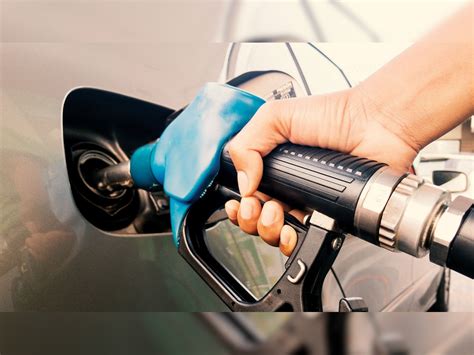
The answer is straightforward: only use premium fuel if your car’s manufacturer explicitly recommends or requires it. This information can be found in your owner’s manual, inside the fuel filler door, or sometimes on a sticker near the fuel cap. Ignoring this recommendation for a vehicle that requires premium can lead to sub-optimal performance, potential long-term engine issues, and reduced fuel economy.

The Bottom Line
For most drivers, sticking to the octane level recommended by the manufacturer is the smartest and most economical choice. You won’t gain any engine health benefits or improved MPG by using premium fuel in a car designed for regular. Instead, you’ll simply be spending more money for no tangible return. Modern engines, regardless of their recommended fuel type, are incredibly sophisticated and can adapt to minor variations, but they perform best when given the fuel they were engineered for.
If you’re still concerned about your engine’s health and longevity, focus on regular maintenance: timely oil changes, filter replacements, and adherence to your car’s service schedule. These practices will have a far greater impact than unnecessarily upgrading your fuel grade.