The Octane Conundrum: Understanding the Numbers
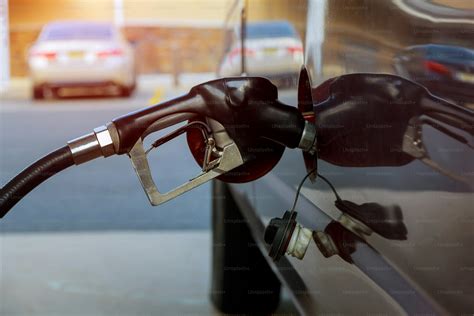
The choice between regular and premium fuel is a common dilemma at the gas pump, often fueled by misconceptions and marketing. Many drivers believe that opting for the higher-priced premium grade will automatically translate to better performance, improved fuel economy, or a cleaner engine. However, the truth is far more nuanced and primarily depends on what your vehicle’s engine is designed to use.
At its core, the difference between regular (typically 87 octane) and premium (91-93 octane) gasoline lies in its octane rating. Octane is a measure of fuel’s resistance to pre-ignition, also known as “engine knock” or “pinging.” This phenomenon occurs when the air-fuel mixture ignites prematurely, out of sync with the spark plug, causing an audible rattling sound and potentially damaging engine components over time. Higher octane fuel is more resistant to this spontaneous combustion.
Does Your Car *Need* Premium Fuel? Check Your Manual
The most definitive answer to whether your car requires premium fuel can be found in one place: your vehicle’s owner’s manual. Manufacturers rigorously test their engines with specific fuel grades to ensure optimal performance, longevity, and emissions compliance. The manual will explicitly state whether premium fuel is “required” or “recommended.”
- “Required”: If your manual states premium fuel is required, your engine is typically a high-compression, turbocharged, or supercharged design that needs the higher octane to prevent harmful pre-ignition. Using regular fuel in these engines can lead to reduced performance, decreased fuel economy, and potential long-term engine damage, even if modern engine computers try to compensate by adjusting timing.
- “Recommended”: Some vehicles, often performance-oriented models, may “recommend” premium fuel. In these cases, the engine can safely run on regular octane, but you might experience a slight, often imperceptible, dip in horsepower or torque, as the engine’s computer will adjust its timing to accommodate the lower octane. The performance difference is usually marginal for everyday driving.
When Premium Fuel Offers True Benefits
For the vast majority of vehicles on the road, premium fuel offers no tangible benefit. For those engines specifically designed for it, however, the benefits are clear and crucial:
- Optimal Performance and Protection: Engines requiring premium fuel are engineered to operate at higher compression ratios or boost pressures. The higher octane prevents detonation, allowing the engine to run at its peak design parameters, delivering the advertised horsepower and torque, and protecting vital components from damage.
- Advanced Timing Exploitation: In some modern engines, particularly those with sophisticated knock sensors and engine management systems, premium fuel allows the engine’s computer to advance ignition timing to extract every last bit of power and efficiency. However, if your car isn’t designed to take advantage of this, you won’t see a benefit.

The Wallet Perspective: An Unnecessary Expense for Many
For cars that do not require premium fuel, consistently filling up with the higher-octane option is simply a waste of money. The difference in cost per gallon can range from $0.20 to $0.60 or more. Over the course of a year, this can add up to hundreds of dollars – money that could be better spent on maintenance, car payments, or other expenses.
There’s no scientific evidence or practical data to suggest that using premium fuel in a car designed for regular will improve fuel economy, increase horsepower, or provide better engine cleaning properties to an extent that justifies the additional cost. The engine’s computer will simply ignore the extra octane, and your wallet will be lighter for no good reason.
The Engine Perspective: No Harm, No Gain (for most)
It’s important to clarify that putting premium fuel in a car designed for regular won’t harm the engine. Modern engine control units (ECUs) are smart enough to adapt. If they detect the higher octane, they simply won’t adjust the ignition timing or fuel delivery in a way that benefits a non-premium-requiring engine. You’re essentially paying for an attribute your engine cannot utilize.
Conversely, if your car *requires* premium and you regularly use regular, you risk reduced engine performance, potential “knocking,” and long-term wear due to the engine constantly trying to compensate for suboptimal fuel. This is where the “engine benefit” truly matters.

Making the Smart Choice for Your Vehicle
To make the most economical and beneficial choice for your vehicle, follow these simple rules:
- Consult Your Owner’s Manual: This is the ultimate authority. If it says “Regular Unleaded Fuel Only,” stick to it. If it says “Premium Fuel Required,” use premium.
- “Premium Recommended” Dilemma: If premium is only “recommended,” consider your driving habits. For most daily commutes, the negligible performance gain won’t justify the extra cost. If you frequently drive aggressively or tow heavy loads, you *might* experience a slight benefit, but for many, it’s still not worth the premium price.
- Quality Over Octane: Focus on purchasing fuel from reputable stations. All major brands, regardless of octane, typically include detergent additives that help keep your engine clean and prevent deposits.

Conclusion: Fueling Your Car Wisely
For the vast majority of drivers and vehicles, premium fuel is an unnecessary expense. It does not provide significant benefits in terms of performance, fuel economy, or engine longevity for cars that are not specifically designed to use it. The true benefit of premium fuel is realized only when an engine’s design explicitly calls for it, enabling it to perform as intended and preventing potential damage.
Save your hard-earned money and stick to the fuel grade recommended by your vehicle’s manufacturer. Your wallet will thank you, and your engine will continue to run exactly as it should, without the illusion of a “better” fuel grade.