The question of whether higher octane gasoline provides better fuel economy for everyday driving is a common one, often clouded by marketing claims and anecdotal evidence. Many drivers wonder if spending extra on premium fuel will result in more miles per gallon, ultimately saving them money or boosting their vehicle’s performance. This article aims to cut through the confusion and provide a clear, evidence-based answer for the average motorist.
Understanding Octane Ratings: More Than Just a Number
Octane is a measure of a fuel’s resistance to premature ignition, also known as “engine knock” or “pinging.” When fuel pre-ignites before the spark plug fires, it creates opposing forces within the engine cylinder, leading to a knocking sound and potentially long-term engine damage. Higher octane fuel is more resistant to this pre-ignition.
Regular vs. Premium: What Your Car Needs
Most vehicles on the road today are designed to run perfectly fine on regular 87 octane gasoline. These engines have compression ratios and ignition timing optimized for standard fuel. On the other hand, some high-performance or luxury vehicles, particularly those with high-compression engines, turbochargers, or superchargers, explicitly require premium (typically 91 or 93 octane) fuel. Their engines are designed to take advantage of premium fuel’s knock resistance to maximize power and efficiency.
It’s crucial to check your car’s owner’s manual. It will specify whether your vehicle requires premium fuel or merely recommends it. If it only recommends it, you usually won’t see a significant benefit from using it.

The Myth of Improved Fuel Economy with Higher Octane
For vehicles designed to run on regular 87 octane gasoline, using a higher octane fuel like premium 91 or 93 octane typically provides no benefit whatsoever to fuel economy or engine performance. Here’s why:
- Engine Control Unit (ECU): Modern cars have sophisticated Engine Control Units (ECUs) that monitor various engine parameters, including knock sensors. If you put higher octane fuel into an engine designed for regular, the ECU simply won’t detect any pre-ignition issues and therefore won’t adjust the ignition timing to take advantage of the higher octane. It will continue to operate as if it’s running on regular fuel.
- No Extra Energy: Higher octane gasoline does not contain more energy than lower octane gasoline. In fact, chemically, they are very similar, with the primary difference being their anti-knock additives. Therefore, pouring premium into a regular-fuel engine won’t magically give it more power or make it burn more efficiently.
- Designed for Specifics: Engines are precisely engineered to operate optimally with a specific fuel type. Unless your engine has been specifically tuned or designed for higher octane, it cannot “unlock” any hidden potential by consuming premium fuel.
When Higher Octane *Is* Necessary (or Beneficial)
There are specific scenarios where using higher octane fuel is not only recommended but essential:
- Vehicles Requiring Premium: If your owner’s manual states that premium fuel is required, using regular can lead to engine knock, reduced performance, and potential long-term damage. In these cases, the ECU will retard ignition timing to prevent knock, which will indeed decrease both power and fuel economy.
- Vehicles Recommending Premium: For some cars, premium fuel is recommended. While they can run on regular, using premium might yield a very slight increase in performance or fuel economy, especially under strenuous conditions (e.g., towing, extreme heat). However, the gains are often marginal and may not justify the added cost for daily driving.
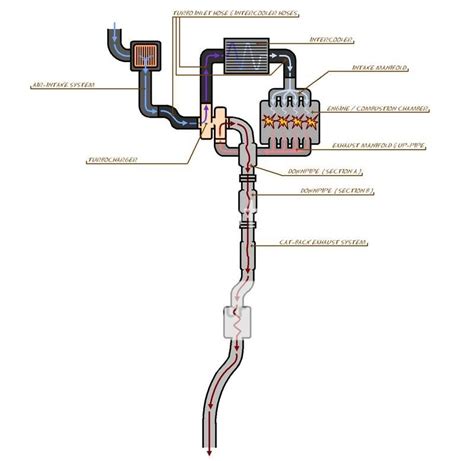
- Forced Induction Engines: Turbocharged and supercharged engines often run higher cylinder pressures, making them more susceptible to knock. Many of these engines are designed to *require* premium fuel to operate at their peak.
The Verdict for Daily Drivers
For the vast majority of daily drivers whose vehicles are designed for or recommend regular 87 octane gasoline, consistently using higher octane premium fuel is an unnecessary expense. You will likely see no measurable improvement in fuel economy, and the added cost per gallon will simply diminish your savings. Your car’s engine will not run cleaner, last longer, or perform better.
Always refer to your car’s owner’s manual for the definitive answer on what type of fuel your vehicle needs. Sticking to the recommended octane will ensure optimal performance and protect your wallet from spending extra money without a tangible benefit.