Understanding Stubborn Belly Fat
Belly fat, particularly the kind that seems to cling on despite your best efforts, is often a source of frustration for many striving for a lean physique. It’s not just about aesthetics; excess abdominal fat, especially visceral fat (fat surrounding your organs), poses significant health risks including heart disease, type 2 diabetes, and metabolic syndrome. Targeting this stubborn area requires a multi-faceted approach that goes beyond endless crunches and restrictive diets.
The Nutritional Blueprint for Fat Loss
When it comes to reducing belly fat, nutrition is paramount. You simply cannot out-exercise a poor diet. Focus on whole, unprocessed foods and create a sustainable calorie deficit without resorting to starvation. Here’s how to optimize your diet:
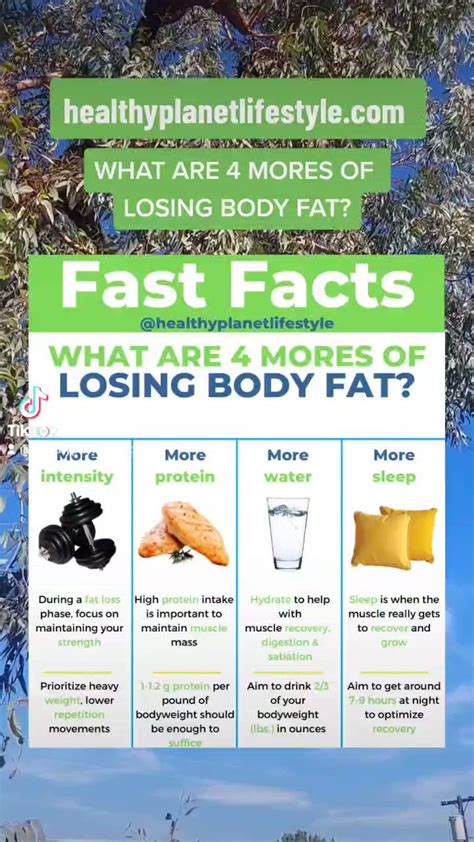
- Prioritize Protein: Protein is highly satiating, helps preserve muscle mass during weight loss, and has a higher thermic effect (meaning your body burns more calories digesting it). Aim for lean sources like chicken, fish, eggs, legumes, and tofu.
- Boost Fiber Intake: Soluble fiber, found in oats, beans, apples, and berries, can help reduce visceral fat by making you feel full and stabilizing blood sugar levels.
- Embrace Healthy Fats: Don’t fear fats! Healthy monounsaturated and polyunsaturated fats from avocados, nuts, seeds, and olive oil are crucial for hormone production and satiety.
- Minimize Refined Carbs and Sugars: These contribute to blood sugar spikes and fat storage, particularly around the midsection. Opt for complex carbohydrates like whole grains, sweet potatoes, and vegetables.
- Stay Hydrated: Drinking plenty of water supports metabolism, curbs appetite, and helps your body function optimally.
Strategic Exercise for a Toned Core
While diet lays the foundation, exercise is essential for building a lean physique and accelerating fat loss. However, ‘spot reduction’ – training one area to lose fat there – is a myth. Instead, focus on a combination of exercises that boost overall metabolism and build muscle.
- High-Intensity Interval Training (HIIT): Short bursts of intense exercise followed by brief recovery periods can be highly effective for burning calories and fat, even after your workout ends.
- Strength Training: Lifting weights builds muscle, which is metabolically active tissue, meaning it burns more calories at rest than fat. Incorporate compound movements like squats, deadlifts, presses, and rows that work multiple muscle groups.
- Dedicated Core Work: While crunches won’t directly burn belly fat, exercises like planks, bicycle crunches, and leg raises will strengthen your abdominal muscles, improving posture and creating a more defined look once fat is lost.
- Cardio: Moderate-intensity cardio can complement HIIT and strength training by improving cardiovascular health and contributing to overall calorie expenditure.
Lifestyle Factors Beyond Diet and Exercise
Achieving a lean physique involves more than just what you eat and how you move. Lifestyle factors play a critical role in hormonal balance, which directly impacts fat storage, especially around the abdomen.
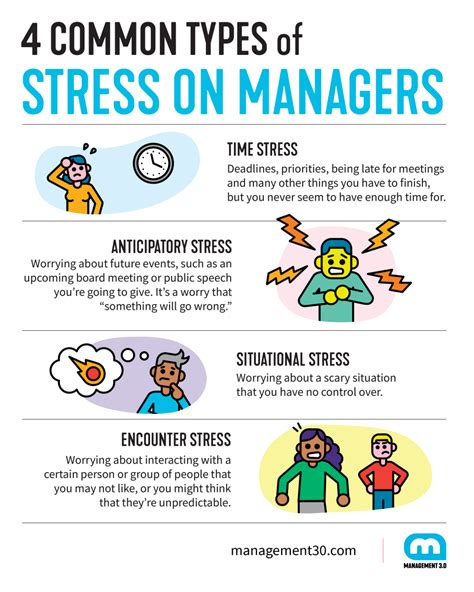
- Manage Stress: Chronic stress elevates cortisol levels, a hormone known to promote fat storage in the abdominal region. Incorporate stress-reducing activities like meditation, yoga, deep breathing, or spending time in nature.
- Prioritize Sleep: Insufficient sleep can disrupt hormones that regulate appetite (ghrelin and leptin), leading to increased cravings and fat gain. Aim for 7-9 hours of quality sleep per night.
- Limit Alcohol: Alcohol provides empty calories and can interfere with fat metabolism. Excessive consumption is also linked to increased belly fat.
Consistency and Patience are Key
Targeting stubborn belly fat is a marathon, not a sprint. Significant and sustainable results require consistency in your nutritional choices, exercise routine, and lifestyle habits. There will be plateaus and setbacks, but staying committed to your goals is crucial. Celebrate small victories and focus on long-term health improvements rather than quick fixes.
Consulting with a healthcare professional or a registered dietitian can provide personalized guidance, especially if you suspect underlying health conditions or hormonal imbalances are contributing to your struggle with belly fat. With a holistic and dedicated approach, achieving a leaner, healthier physique is entirely within reach.