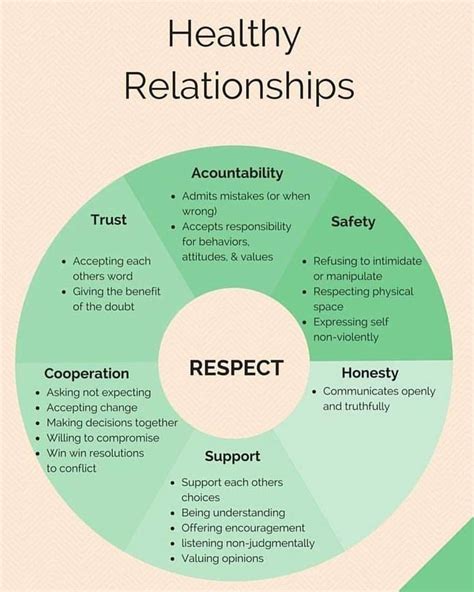
Just like a financial portfolio, a relationship’s emotional health requires strategic investment to grow, flourish, and withstand the inevitable market fluctuations of life. Neglecting it can lead to emotional bankruptcy, while thoughtful, consistent contributions build resilience, deepen connection, and foster lasting intimacy. But what does strategic emotional investment truly look like, and how can you implement it effectively?
Understanding the Emotional Bank Account: Deposits and Withdrawals
The concept of an emotional bank account, popularized by Stephen Covey, is a powerful metaphor for understanding relationship dynamics. Every interaction with your partner is either a deposit or a withdrawal. Deposits build trust, strengthen bonds, and create a reservoir of goodwill. Withdrawals, on the other hand, erode trust and leave the account in deficit, leading to resentment and distance.
Strategic investment means making conscious efforts to make more deposits than withdrawals. These deposits aren’t always grand gestures; often, they are small, consistent acts of kindness, understanding, and attention that accumulate over time.

Key Investment Areas for Emotional Health
Prioritizing Quality Communication
Effective communication is the cornerstone of any healthy relationship. This isn’t just about talking, but about truly hearing and being heard. Strategic communication involves:
- Active Listening: Giving your partner your full attention, asking clarifying questions, and reflecting back what you hear to ensure understanding.
- Open and Honest Dialogue: Creating a safe space where both partners feel comfortable sharing their thoughts, feelings, and vulnerabilities without fear of judgment.
- ‘I’ Statements: Taking ownership of your feelings rather than assigning blame, e.g., “I feel hurt when X happens” instead of “You always make me feel X.”
Nurturing Shared Experiences and Fun
Relationships thrive on shared joy and connection. Deliberately carve out time for activities that you both enjoy, or explore new hobbies together. This could include regular date nights, weekend adventures, cooking together, or simply spending quality time on a shared interest. These moments create positive memories and reinforce your bond.
Don’t underestimate the power of laughter and playfulness. They act as powerful deposits into your emotional bank account, reminding you both of the joy you find in each other’s company.

Practicing Empathy and Validation
Empathy is the ability to understand and share the feelings of another. Validating your partner’s emotions means acknowledging their feelings as real and understandable, even if you don’t fully agree with their perspective or reaction. Statements like “I can see why you feel that way” or “That sounds really frustrating” can be incredibly powerful in making your partner feel seen and understood, even in disagreement.
Establishing Boundaries and Mutual Respect
Healthy boundaries are not about creating distance; they’re about defining and respecting individual needs and limits within the relationship. This includes respecting personal space, individual time, privacy, and differing opinions. Mutual respect means valuing your partner as an individual, appreciating their autonomy, and supporting their personal growth. Discussing and agreeing upon boundaries proactively can prevent misunderstandings and resentment.

Expressing Appreciation and Affection Regularly
It’s easy to take your partner for granted, especially in long-term relationships. Strategic investment includes consistently expressing gratitude and affection. This can be through:
- Words of Affirmation: Compliments, expressions of love, and specific thanks.
- Acts of Service: Doing something helpful for your partner without being asked.
- Physical Touch: Hugs, kisses, holding hands, or simply a comforting presence.
- Quality Time: Undivided attention, being fully present.
- Receiving Gifts: Thoughtful tokens that show you care.
Navigating Conflict Constructively
Conflict is inevitable in any relationship, but how you handle it determines whether it becomes a withdrawal or a potential deposit. Strategic conflict resolution involves:
- Addressing Issues Promptly: Don’t let resentments fester.
- Focusing on the Problem, Not the Person: Attack the issue, not your partner.
- Seeking to Understand Before Being Understood: Listen to your partner’s perspective first.
- Compromise and Problem-Solving: Work together to find solutions that meet both partners’ needs.
- Apologizing Sincerely: Taking responsibility for your part in the conflict.

Sustaining Your Emotional Portfolio
Strategic investment in emotional health is not a one-time project; it’s an ongoing commitment. Relationships evolve, and so too must your investment strategies. Regularly check in with your partner about their needs and feelings, adapting your approach as circumstances change. Consider periodic relationship check-ups, much like you would a financial review, to assess your emotional bank account and identify areas needing more attention.
Remember that seeking external support, such as couples counseling, is also a valid and strategic investment when navigating particularly challenging periods or looking to enhance an already strong bond.

Conclusion
Investing in your relationship’s emotional health requires intentionality, effort, and consistency. By focusing on quality communication, shared joy, empathy, respect, appreciation, and constructive conflict resolution, you can build a resilient, deeply connected, and fulfilling partnership. Treat your relationship’s emotional well-being as your most valuable asset, and it will yield returns for a lifetime.