Many of us find ourselves trapped in a cycle of ‘trying’ – we try to eat healthier, try to save money, try to exercise more. While the intention is good, ‘trying’ often implies an underlying doubt, a lack of firm commitment that can prevent us from achieving our most ambitious fitness and finance goals. The crucial shift lies in moving from this hesitant state to one of decisive ‘doing,’ where action becomes the default.
Understanding the ‘Trying’ vs. ‘Doing’ Dichotomy
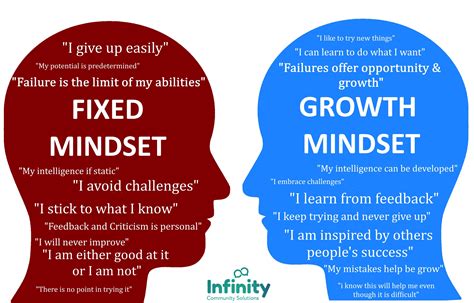
The distinction between ‘trying’ and ‘doing’ might seem subtle, but its impact on goal achievement is profound. ‘Trying’ often comes with an implicit escape clause; it allows for excuses and doesn’t demand full commitment. When you say, ‘I’m trying to work out,’ it often means ‘I might work out, but if I don’t, it’s okay because I tried.’ Conversely, ‘doing’ is about absolute commitment and taking concrete, measurable steps.
For example, instead of ‘trying to save money,’ you ‘are saving money’ by setting up an automatic transfer every payday. Instead of ‘trying to get fit,’ you ‘are getting fit’ by scheduling three workouts a week and sticking to them. This linguistic and psychological shift eliminates the wiggle room and empowers you with agency.
Why We Get Stuck in ‘Trying’ Mode
Several factors contribute to the ‘trying’ trap. Fear of failure is a big one; if we only ‘try,’ then failure isn’t as definitive. Perfectionism also plays a role, as we might procrastinate on ‘doing’ until conditions are perfect. Lack of clear, actionable steps is another culprit. Without a precise plan, ‘trying’ becomes a vague hope rather than a concrete strategy.
Embracing the Power of ‘Doing’
‘Doing’ is fundamentally about action and consistency, however small those actions may be. It’s about breaking down large, daunting goals into manageable tasks and committing to executing them regularly. The power of ‘doing’ lies in its cumulative effect; small, consistent actions inevitably lead to significant progress over time.

Shifting for Fitness Goals: From Aspiration to Action
For fitness, this shift means moving beyond wishing for a healthier body to actively building one. Start by defining your fitness goal with the SMART framework: Specific, Measurable, Achievable, Relevant, and Time-bound. Instead of ‘I want to get fit,’ try ‘I will run 5k in 30 minutes by next quarter.’
- Schedule It: Treat workouts like non-negotiable appointments. Put them in your calendar.
- Start Small: Don’t aim for an hour-long gym session immediately. Begin with 15-minute walks or a few bodyweight exercises. Consistency trumps intensity in the early stages.
- Track Progress: Log your workouts, diet, and measurements. Seeing tangible improvements reinforces the ‘doing’ mindset.
Shifting for Finance Goals: Turning Intentions into Wealth
Financial goals often suffer from the ‘trying’ syndrome – ‘I’ll try to save more’ or ‘I’ll try to stick to my budget.’ To shift to ‘doing’ in finance:
- Automate Savings: The easiest way to ‘do’ saving is to automate it. Set up recurring transfers from your checking to your savings account immediately after payday.
- Create a Strict Budget: Don’t just ‘try’ to budget. Create a clear, written, or digital budget and review it regularly. Allocate every dollar a job.
- Pay Down Debt Proactively: Don’t ‘try’ to pay off debt; make a concrete plan (e.g., debt snowball or avalanche method) and stick to scheduled, extra payments.

Strategies to Cultivate a ‘Doing’ Mindset
Making this fundamental shift requires cultivating specific habits and mental approaches:
- Break Down Goals: Large goals can be overwhelming. Break them into micro-steps that are easy to start and complete.
- Focus on the First Step: Instead of thinking about the entire journey, just focus on taking the very next step. The momentum will build.
- Embrace Imperfection: ‘Done is better than perfect.’ Don’t wait for ideal conditions. Take action even if it’s not perfect.
- Accountability: Share your goals with a trusted friend, family member, or mentor. Knowing someone is watching can reinforce your commitment to ‘doing.’
- Identify Your Triggers: Understand what makes you procrastinate or fall back into ‘trying.’ Then, create strategies to counter those triggers.

The Long-Term Impact of an Action-Oriented Mindset
The beauty of the ‘doing’ mindset is that it compounds. Each action you take, no matter how small, builds momentum and reinforces your belief in your ability to achieve. Over time, this transforms not just your fitness and finances, but your entire self-perception. You become someone who gets things done, someone who takes control, and someone who consistently moves closer to their desired future.
Conclusion
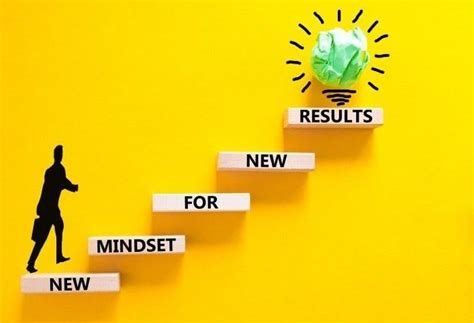
Shifting from ‘trying’ to ‘doing’ is more than just a change in words; it’s a fundamental change in approach, commitment, and self-belief. By taking ownership of your goals, breaking them into actionable steps, and consistently executing those steps, you transform aspirations into tangible achievements. Stop trying and start doing – your future self will thank you for it.