Understanding Octane: More Than Just a Number
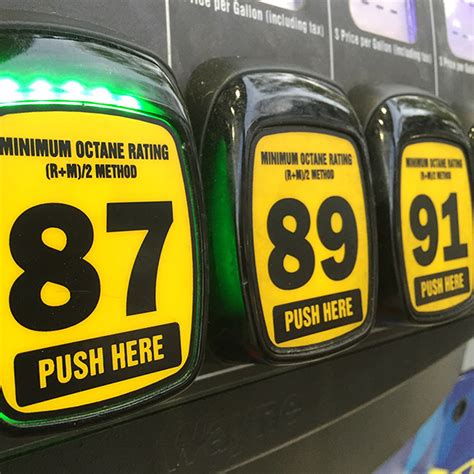
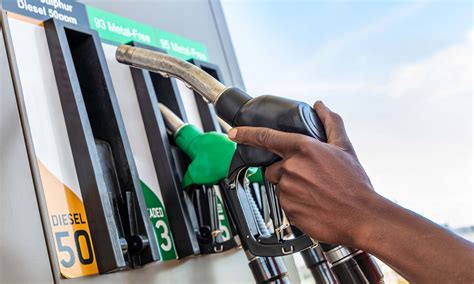
The fuel pump offers a choice: regular, mid-grade, premium. But what do those numbers—87, 89, 91, 93—actually mean for your vehicle? Choosing the correct octane level isn’t about getting “better” gas; it’s about matching the fuel to your car’s specific engine requirements. Making the right choice can lead to significant savings at the pump and contribute to the long-term health and performance of your engine.
Let’s demystify octane and equip you with the knowledge to make an informed decision every time you fill up.

What Exactly is Octane?
Octane is a measure of a gasoline’s resistance to “knocking” or “pre-ignition.” Engine knocking occurs when the air-fuel mixture in the cylinders ignites spontaneously before the spark plug fires, creating uncontrolled explosions that can damage engine components over time. Higher octane fuels are more resistant to this spontaneous combustion.
Different regions use different metrics, but the most common in the U.S. is the Anti-Knock Index (AKI), which is an average of the Research Octane Number (RON) and Motor Octane Number (MON). Generally, regular gasoline is 87 AKI, mid-grade is 89 AKI, and premium ranges from 91 to 93 AKI.
Finding Your Car’s Recommended Octane
The definitive source for your car’s octane requirement is its owner’s manual. Most manuals clearly state the recommended (or required) octane level. You might also find this information on the inside of your fuel filler door.
It’s crucial to differentiate between “recommended” and “required.” If your manual states “premium *required*,” then using a lower octane fuel can lead to engine damage and void your warranty. If it says “premium *recommended*,” your engine can likely run on regular octane, but might produce slightly less power or fuel economy under certain conditions, as its computer adjusts for the lower octane.

The Consequences of Mismatched Octane
Using Too Low an Octane (for engines requiring premium)
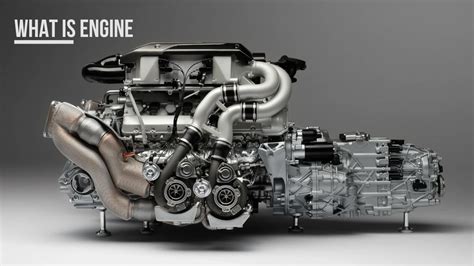
If your car’s engine is designed for premium fuel (typically high-compression or turbocharged engines) and you consistently use regular, you risk engine knocking. Modern cars have knock sensors that detect this and adjust ignition timing to prevent damage. While this protects the engine, it also reduces power and fuel efficiency. Over time, persistent knocking can still lead to increased wear and potential long-term issues.
Using Too High an Octane (for engines designed for regular)
Pouring premium fuel into an engine designed for regular 87 octane offers absolutely no benefit. Your engine won’t run cleaner, won’t get better gas mileage, and won’t gain more horsepower. You’re simply wasting money on a fuel whose anti-knock properties are not needed by your car’s engine design. It’s a common misconception that premium fuel is “better” for all cars.

Modern Engine Management and Your Octane Choice
Today’s vehicles are equipped with sophisticated engine control units (ECUs) and knock sensors that continuously monitor engine performance. If a car designed for premium fuel detects lower octane gasoline, the ECU will retard the ignition timing to prevent knocking. This adaptive technology protects your engine but comes at the cost of optimal performance and efficiency.
Conversely, if you put premium fuel into a car designed for regular, the ECU won’t find any reason to advance ignition timing beyond its factory-programmed optimal point for 87 octane. The engine simply uses the fuel it needs, ignoring the “extra” anti-knock capability.
The Bottom Line: Follow the Manual
For the vast majority of vehicles on the road, 87 octane regular gasoline is perfectly adequate and what the manufacturer recommends. Using anything higher is a waste of money.
If your car’s manual specifically *requires* premium fuel, then you should use it to ensure proper engine function, maintain efficiency, and prevent potential damage. If it *recommends* premium, you can experiment, but often the minor gains in performance or efficiency don’t outweigh the increased cost.
Ultimately, the key to car savings and engine health lies in understanding your specific vehicle’s needs and adhering to the manufacturer’s guidelines, not falling for common myths or marketing ploys.