Fueling Your Body Smartly and Economically
Achieving your fitness goals and maintaining sustained energy levels doesn’t have to be an expensive endeavor. Many believe that a high-performance diet requires costly organic produce, exotic superfoods, and premium supplements. However, with smart planning and savvy shopping, you can build a highly effective, nutritious diet that supports your energy and fitness aspirations, all while adhering to a budget.
The key lies in understanding foundational nutrition principles and identifying affordable, nutrient-dense foods that provide the necessary macronutrients (protein, carbohydrates, fats) and micronutrients (vitamins, minerals).
Mastering Macronutrients on a Budget
Protein: The Muscle Builder
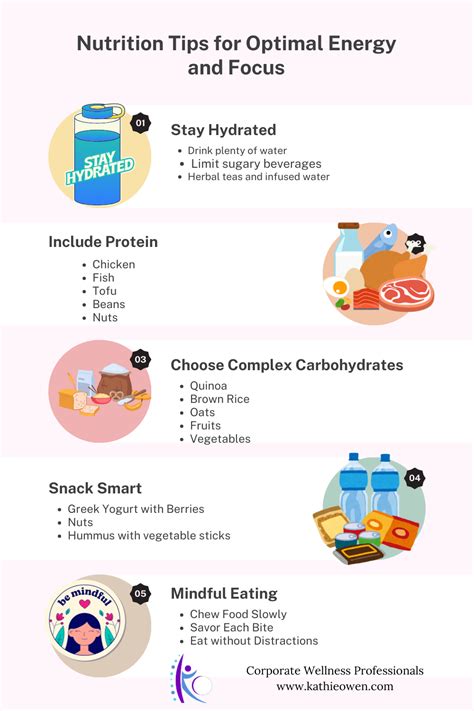
Protein is vital for muscle repair and growth, satiety, and sustained energy. Don’t fall into the trap of thinking you need expensive cuts of meat or protein powders to meet your needs.
- Eggs: One of the most complete and affordable protein sources. Versatile and quick to prepare.
- Legumes (Beans, Lentils, Chickpeas): Inexpensive, high in protein and fiber. Buy dried in bulk for maximum savings, or canned for convenience (rinse well).
- Chicken Thighs/Drumsticks: Often cheaper than breasts and richer in flavor and healthy fats.
- Canned Tuna/Salmon: Excellent sources of protein and Omega-3s. Look for sales or store brands.
- Dairy (Milk, Yogurt, Cottage Cheese): Skim milk and plain yogurt are budget-friendly and protein-rich.
Carbohydrates: Your Primary Energy Source
Carbohydrates fuel your workouts and daily activities. Choose complex carbs for sustained energy release and avoid refined, sugary options.
- Oats: Incredibly cheap, versatile, and packed with fiber. Great for breakfast.
- Rice: Brown rice offers more fiber and nutrients than white, though both are affordable staples. Buy in large bags.
- Potatoes (Sweet and White): Energy-dense and nutrient-rich. Buy in bulk bags.
- Whole Wheat Pasta/Bread: Look for store brands or sales.

Healthy Fats: Essential for Well-being
Fats are crucial for hormone production, nutrient absorption, and overall health. Focus on unsaturated fats.
- Avocado: Can be pricey, but often on sale. A great source of healthy monounsaturated fats.
- Nuts & Seeds: Buy in bulk when possible. Peanut butter (check ingredients for added sugars) is a budget-friendly option.
- Olive Oil/Canola Oil: Essential for cooking. Buy larger bottles for better value.
- Fatty Fish: Canned tuna/salmon mentioned above also provide healthy fats.
Strategic Meal Planning and Preparation
This is where significant savings and consistency are made. Effective meal planning prevents impulse buys, food waste, and expensive takeout.
- Plan Your Meals: Dedicate time each week to plan all your meals and snacks. Base your plan around staple ingredients and what’s on sale.
- Shop Smart: Make a grocery list and stick to it. Buy seasonal produce, which is often cheaper and fresher. Consider frozen fruits and vegetables – they are just as nutritious and often more affordable.
- Buy in Bulk: Non-perishable items like rice, oats, dried beans, pasta, and spices are much cheaper when purchased in larger quantities.
- Batch Cooking: Prepare larger portions of meals like chili, stews, roasted chicken, or grains at the beginning of the week. This saves time and ensures you have healthy options readily available.
- Cook at Home: Eating out, even fast food, adds up quickly. Cooking at home gives you control over ingredients and cost.

Budget-Friendly Power Foods for Sustained Energy
Here’s a snapshot of foods that deliver maximum nutritional bang for your buck:
- Oats: Complex carbs for slow-release energy.
- Eggs: Complete protein and healthy fats.
- Lentils & Beans: Protein, fiber, and complex carbs.
- Rice (Brown/White): Stable energy source.
- Frozen Vegetables: Affordable, convenient, and nutrient-dense.
- Chicken Thighs: Economical protein.
- Peanut Butter: Protein and healthy fats.
- Bananas & Apples: Affordable fruit options for quick energy.

Hydration and Micronutrients
Don’t forget the importance of water! Staying adequately hydrated is crucial for energy levels, metabolism, and overall bodily functions, and it’s free. For micronutrients, focus on a variety of fruits and vegetables. Even budget-friendly options like carrots, onions, cabbage, spinach, and frozen mixed berries pack a powerful punch of vitamins and minerals.
Putting It All Together
Imagine a typical day:
- Breakfast: Oatmeal with a handful of frozen berries and a spoonful of peanut butter.
- Lunch: Leftover lentil soup with whole-wheat bread, or a large salad with canned tuna/chicken and chickpeas.
- Dinner: Chicken thighs roasted with root vegetables (potatoes, carrots) and a side of steamed frozen green beans.
- Snacks: Hard-boiled eggs, an apple, a handful of almonds, or plain yogurt.
This approach demonstrates how diverse, nutrient-rich meals can be constructed using affordable ingredients, ensuring you have the sustained energy to tackle your day and meet your fitness goals.

Conclusion
Optimizing your diet for sustained energy and fitness on a budget is entirely achievable with a strategic mindset. By focusing on whole, unprocessed foods, smart shopping habits, and consistent meal preparation, you can fuel your body effectively without compromising your wallet. Remember, consistency and informed choices are your most powerful tools in achieving your health and fitness aspirations.