The Crucial Role of Post-Workout Nutrition
Your workout doesn’t end when you drop the weights or finish your run. In fact, what you consume immediately after exercise is just as critical as the workout itself. The period following physical exertion is a unique metabolic window where your body is primed to absorb nutrients, repair damaged muscle fibers, and replenish depleted energy stores. Optimizing your post-workout fuel can significantly accelerate recovery, reduce muscle soreness, and pave the way for consistent muscle growth and improved performance.

Understanding the “Anabolic Window”
For years, the concept of an “anabolic window” – a critical 30-60 minute period post-exercise where nutrient timing is paramount – dominated fitness advice. While modern research suggests this window might be broader (extending up to a few hours, especially if you’ve eaten pre-workout), the principle remains: getting the right nutrients into your system relatively quickly after training is beneficial. This is when your muscles are most sensitive to insulin, making them highly efficient at absorbing glucose and amino acids.
The Macronutrient Trifecta: Carbs, Protein, and Fats
1. Carbohydrates: Replenish Energy Stores
During intense exercise, your body uses glycogen (stored glucose) as its primary fuel source. Post-workout, these stores are significantly depleted. Consuming carbohydrates is essential for:
- Glycogen Replenishment: Quickly refilling your muscle and liver glycogen stores, crucial for energy for your next workout.
- Insulin Spike: Carbs stimulate insulin release, a hormone that helps shuttle glucose and amino acids into muscle cells, aiding recovery and growth.
Opt for fast-digesting carbohydrates like white rice, potatoes, fruit, or even dextrose. Aim for a quantity of 0.5-0.75 grams per pound of body weight, depending on the intensity and duration of your workout.
2. Protein: Repair and Rebuild Muscles
Exercise causes microscopic tears in muscle fibers. Protein provides the amino acids needed to repair these tears and synthesize new muscle tissue, leading to growth (hypertrophy). This process is known as Muscle Protein Synthesis (MPS).
- Amino Acid Supply: Essential amino acids, particularly leucine, are vital for triggering MPS.
- Muscle Repair: Protein helps rebuild and strengthen muscle fibers, reducing recovery time.
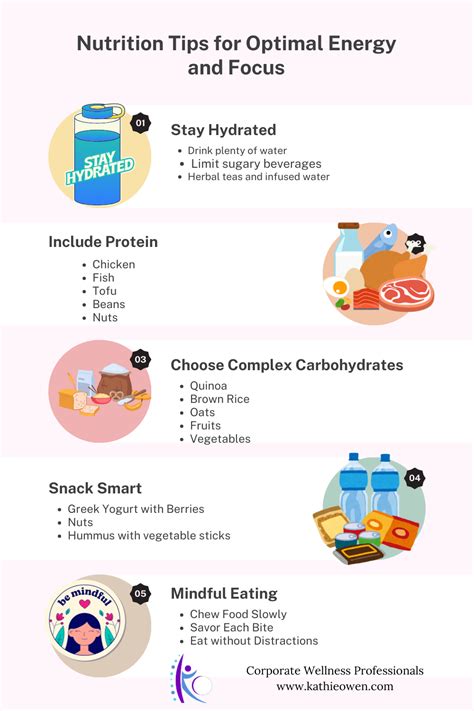
Aim for 20-40 grams of high-quality protein, such as whey protein, chicken breast, fish, eggs, or Greek yogurt. Whey protein is particularly popular due to its fast absorption rate and rich amino acid profile.

3. Fats: Moderation is Key
While healthy fats are crucial for overall health, their role immediately post-workout is minimal, and excessive intake can slow down the digestion and absorption of carbohydrates and protein. Keep fat intake low in your immediate post-workout meal, but ensure you include healthy fats in your overall daily diet.
Optimal Timing and Hydration
When to Fuel Up
Ideally, consume your post-workout meal or shake within 30-60 minutes after finishing your exercise. If a full meal isn’t feasible, a shake combining protein and fast-digesting carbs is an excellent immediate solution, followed by a solid meal a few hours later.
The Importance of Hydration
Don’t forget water! You lose significant fluids through sweat during exercise. Dehydration can impair recovery and performance. Replenish fluids by drinking water throughout your workout and continuing afterward. For very intense or prolonged sessions, consider an electrolyte-rich beverage to replace lost sodium and potassium.

Putting It All Together: Sample Post-Workout Meals
Here are some effective combinations that provide the optimal ratio of carbs and protein:
- Whey protein shake with a banana and a scoop of oats: Quick, convenient, and effective.
- Chicken breast with sweet potato and broccoli: A balanced whole-food option.
- Greek yogurt with berries and granola: Excellent source of protein and carbs.
- Tuna salad sandwich on whole-wheat bread: Another great protein and carb combo.
- Scrambled eggs with toast and fruit: A classic, nutrient-dense choice.

Conclusion
Optimizing your post-workout fuel is a powerful strategy for anyone looking to maximize their training efforts. By prioritizing fast-digesting carbohydrates for glycogen replenishment and high-quality protein for muscle repair and growth, and ensuring adequate hydration, you create the ideal internal environment for faster recovery, reduced soreness, and consistent progress towards your muscle and fitness goals. Make post-workout nutrition a non-negotiable part of your fitness routine, and you’ll undoubtedly see and feel the difference.