Unlock Better Fuel Economy for Your Daily Commute
For millions, the daily commute is an unavoidable part of life, and with fluctuating fuel prices, the cost of getting to and from work can significantly impact personal budgets. Maximizing your car’s Miles Per Gallon (MPG) isn’t just about saving money; it’s also about reducing your environmental footprint. Small adjustments to your driving habits and vehicle maintenance can lead to substantial savings over time. Let’s explore how to make every drop of fuel count.
Mastering Fuel-Efficient Driving Habits
Your driving style is perhaps the most significant factor influencing your car’s fuel consumption. Aggressive driving – rapid acceleration, hard braking, and speeding – forces your engine to work harder and consume more fuel. Smooth, consistent driving, on the other hand, can dramatically improve your MPG.
- Smooth Acceleration and Braking: Anticipate traffic and lights, allowing you to accelerate gently and brake gradually. Sudden stops and starts waste fuel.
- Maintain a Steady Speed: Cruise control on highways can help maintain a consistent speed, preventing unnecessary fluctuations that burn extra fuel.
- Observe Speed Limits: Fuel efficiency generally decreases rapidly above 50-60 mph as aerodynamic drag increases. Sticking to the speed limit is not only safer but also more economical.
- Avoid Idling: If you’re going to be stopped for more than 30 seconds (excluding traffic lights), it’s usually more fuel-efficient to turn off your engine and restart it when ready to go.
The Critical Role of Vehicle Maintenance
A well-maintained vehicle runs more efficiently. Neglecting routine service can lead to decreased fuel economy and potentially more expensive repairs down the line. Regular check-ups are key to ensuring your car is performing at its peak.
- Check Tire Pressure Regularly: Under-inflated tires increase rolling resistance, forcing your engine to work harder. Check your tire pressure at least once a month; proper inflation can improve MPG by up to 3%.
- Regular Oil Changes: Using the manufacturer-recommended grade of motor oil can improve fuel economy by 1-2%. Fresh, clean oil reduces friction in the engine.
- Replace Air Filters: A clogged air filter restricts airflow to the engine, reducing performance and potentially increasing fuel consumption. Replacing a dirty air filter can improve acceleration and sometimes MPG.
- Engine Tune-Ups: Ensure your engine is properly tuned. Spark plugs, oxygen sensors, and other components directly impact fuel efficiency. A misfiring spark plug can reduce MPG by as much as 30%.
Smart Commuting Strategies
Beyond how you drive and maintain your car, strategic planning for your commute can also yield significant fuel savings.
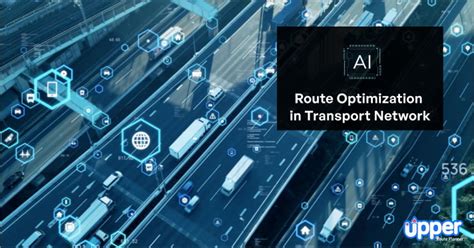
- Plan Your Route: Use navigation apps to find the shortest or least congested routes. Avoiding heavy traffic, stop-and-go conditions, and long detours saves fuel.
- Combine Trips: Group your errands together into one trip. Multiple short trips with a cold engine use more fuel than one longer, combined trip once the engine is warm.
- Consider Carpooling or Public Transport: If available, carpooling with colleagues or utilizing public transportation can drastically reduce your personal fuel consumption and vehicle wear.

Minimize Unnecessary Drag and Weight
What you carry in and on your car can also affect its MPG. More weight and increased aerodynamic drag mean your engine has to expend more energy to move the vehicle.
- Remove Excess Weight: Every extra 100 pounds can reduce your MPG by about 1%. Clear out unnecessary items from your trunk and back seat.
- Remove Roof Racks When Not in Use: Roof racks and cargo carriers create significant aerodynamic drag, even when empty. Removing them can improve highway MPG by 5-25%.
- Use Air Conditioning Sparingly: Air conditioning puts a strain on your engine and uses fuel. On highways, open windows create more drag than using the AC. For city driving, opening windows at lower speeds is often more fuel-efficient than running the AC.
Conclusion: Drive Smarter, Save More
Maximizing your car’s MPG for daily commutes is a multi-faceted approach involving conscious driving habits, diligent vehicle maintenance, and smart trip planning. By adopting these strategies, you can not only put more money back into your wallet but also contribute to a greener environment. Start implementing these tips today and watch your fuel costs shrink and your savings grow.