The Foundation of Flawless Style: Why Fit Reigns Supreme
In the realm of men’s fashion, trends come and go, but one principle remains timeless and paramount: fit. A perfectly fitted garment doesn’t just look good; it transforms your entire appearance, accentuating your best features, camouflaging imperfections, and projecting an air of sophistication and confidence. It’s not about expensive brands or flashy logos; it’s about how well your clothes conform to your unique body.
Many men underestimate the power of fit, often settling for off-the-rack sizes that are ‘good enough.’ However, ‘good enough’ is rarely great. Mastering fit is the single most impactful step you can take to elevate your personal style, enhance your physique, and boost your self-assurance. Let’s delve into the practical advice that will empower you to dress sharper and feel better.
Essential Fit Principles from Head to Toe
Shirts: The Second Skin
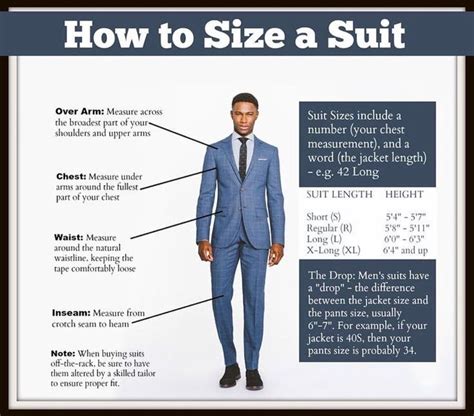
- Shoulders: The seam should sit precisely at the edge of your shoulder bone. If it’s drooping down your arm, it’s too big; if it’s riding up, it’s too small.
- Chest & Waist: A well-fitted shirt should skim your torso without pulling or billowing. You should be able to comfortably pinch about 1-2 inches of fabric on either side of your waist.
- Sleeves: When standing with your arms down, the cuff should end right where your wrist meets your hand. The sleeve width should be slim but allow for full range of motion.
- Collar: You should be able to comfortably fit two fingers inside your buttoned collar. More space means it’s too loose, less means it’s too tight.
Trousers: Defining Your Lower Half
- Waist: Trousers should sit comfortably at your natural waistline without needing a belt to stay up.
- Thigh & Seat: They should drape smoothly over your thighs and seat without feeling tight or showing excessive fabric.
- Length (Break): This is crucial. For a modern look, aim for a ‘no break’ or ‘slight break’ where the hem just touches the top of your shoe, or creates a single, subtle fold.
Jackets & Blazers: Your Power Play
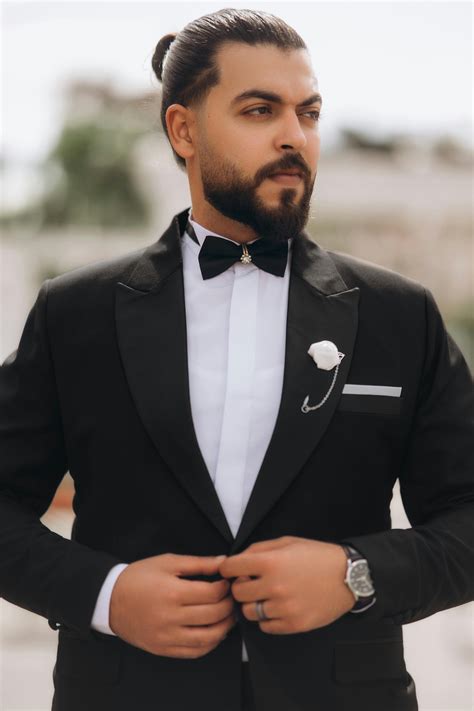
- Shoulders: Just like shirts, the shoulder seams are paramount. They must align perfectly with your natural shoulder.
- Jacket Length: The bottom of the jacket should cover your backside and typically end around the mid-point of your thumb when your arms are relaxed at your sides.
- Sleeves: The jacket sleeve should reveal about a quarter to a half-inch of your shirt cuff.
- Torso: When buttoned, the jacket should gently hug your waist, creating a subtle V-shape, without pulling at the button.
Know Your Measurements and Body Type
Before you even step into a store, understanding your own body is key. Take accurate measurements of your neck, chest, waist, inseam, and sleeve length. Keep these handy when shopping. Furthermore, identify your body type – are you athletic (broader shoulders, narrower waist), slim, average, or larger framed? Dressing for your specific body type means choosing cuts and styles that flatter your unique proportions.
For instance, a slim-fit cut works well for leaner builds, while a classic or modern fit might be more appropriate for an average or athletic physique. Avoid anything too baggy if you’re slim, as it will swamp you, and steer clear of overly tight clothing if you have a larger frame, as it can be unflattering.
Tailoring: Your Secret Weapon
Even the most expensive off-the-rack garments are designed to fit a generic body type. This is where a skilled tailor becomes your invaluable ally. Think of tailoring as an investment that pays dividends in style and confidence. A few simple alterations can transform an average-fitting item into one that looks custom-made for you.
Common alterations include hemming trousers, taking in the waist of a shirt or jacket, adjusting sleeve lengths, and tapering pant legs. Don’t shy away from these small changes; they make a monumental difference. A tailor can fine-tune garments to perfectly match your unique contours, ensuring every piece drapes flawlessly.
Beyond Basics: Dressing for Impact
Once you’ve mastered the fundamentals of fit, you can apply this knowledge to every aspect of your wardrobe. This understanding allows you to make smarter purchasing decisions, choosing items that have the potential to fit well, knowing that minor adjustments can perfect them. Remember, fit applies across all clothing types – from casual denim to formal wear. Even a well-fitted t-shirt looks significantly better than a baggy one.
Embrace the process of trying things on and critically assessing the fit in a mirror. Don’t be afraid to ask for opinions, and always prioritize how you feel in the clothes. When you feel good, you look good, and that confidence shines through.
The Confidence Connection
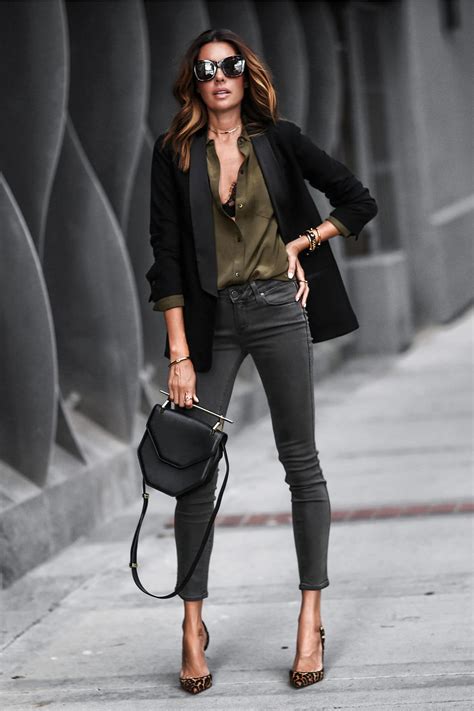
The link between how you dress and how you feel is undeniable. When your clothes fit perfectly, you exude an air of self-assurance and competence. This isn’t just about superficial appearances; it impacts your mindset, your interactions, and even your performance. A well-dressed man feels more capable, more presentable, and more ready to tackle challenges. This enhanced confidence is perhaps the greatest benefit of mastering fit, impacting not just your style but your overall quality of life.
Conclusion
Mastering fit is not a secret reserved for the fashion elite; it’s a practical skill every man can cultivate. By understanding the key principles, knowing your body, and utilizing the expertise of a tailor, you can unlock a new level of style and confidence. So, take the time to assess your wardrobe, make those crucial alterations, and invest in pieces that truly complement your physique. The reward will be a sharper image, an enhanced presence, and an undeniable boost in self-belief.