
Fostering Openness: Creating a Safe Space for Your Partner
It’s a common desire in any deep relationship: to truly know and understand your partner. Yet, trying to get someone to open up can sometimes feel like walking on eggshells. Push too hard, and you risk making her feel interrogated, causing her to retreat further. The key lies not in demanding answers, but in cultivating an environment where she feels safe, loved, and understood enough to share freely.

Understanding Her Silence: Why Partners Hold Back
Before you can encourage openness, it’s helpful to understand why your partner might be hesitant to share. Her reasons could be varied and deeply personal:
- Fear of Judgment: She might worry about how you’ll react, whether you’ll criticize, dismiss, or get angry.
- Past Experiences: Previous relationships or childhood experiences might have taught her that vulnerability leads to pain or disappointment.
- Feeling Like a Burden: She might not want to bother you with her problems or worries.
- Uncertainty: Sometimes, she might not even fully understand her own feelings, making it hard to articulate them.
- Privacy: Some people are naturally more private and need more time and space to process before sharing.
Creating an Invitation, Not an Interrogation
The fundamental shift is from demanding information to inviting connection. Here’s how to lay the groundwork:
1. Choose the Right Time and Place
Avoid difficult conversations when you’re rushed, stressed, or in a public setting. Find a quiet, comfortable moment when you both can relax and give each other undivided attention. This might be during a leisurely walk, over a quiet dinner, or snuggled on the couch. Make sure neither of you is distracted by phones or other tasks.
2. Lead with Empathy and Validation
Start by expressing care and observation, rather than accusation. Instead of “Why aren’t you talking to me?”, try “I’ve noticed you seem a bit quiet lately, and I’m wondering how you’re doing. I care about you, and I’d love to listen if there’s anything on your mind.” Validate her feelings, whatever they might be. “It sounds like you’re going through a lot right now,” or “It makes sense that you’d feel that way.”
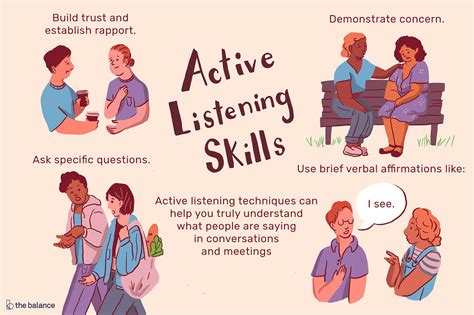
3. Practice Active Listening
When she does start to talk, listen – truly listen – without interrupting, formulating your response, or trying to solve her problems immediately. Focus on understanding her perspective. Use non-verbal cues like nodding and maintaining eye contact. When she finishes, you can reflect what you’ve heard: “So, if I’m understanding correctly, you’re feeling X because of Y. Is that right?” This shows you’re engaged and trying to grasp her experience.
4. Ask Open-Ended, Gentle Questions
Instead of yes/no questions, use prompts that encourage elaboration. Frame them gently, demonstrating curiosity rather than a cross-examination:
- “What’s been on your mind lately?”
- “How are you feeling about [specific situation]?”
- “Is there anything I can do to support you right now?”
- “What does that feel like for you?”
- “Help me understand more about that.”
Avoid “Why did you…?” questions, which can sound accusatory. Focus on feelings and experiences.

5. Share Your Own Vulnerabilities
Vulnerability begets vulnerability. If you want your partner to open up, be willing to share your own feelings and experiences first. This doesn’t mean making it about you, but showing that you understand what it’s like to feel exposed. For example, “Sometimes I find it hard to talk about my own worries too, but I’m trying to be better about it because I value our connection.” This models the behavior you hope to see and creates a sense of shared humanity.

Patience and Respect Are Paramount
Remember that opening up is a process, not an event. She might not share everything at once, and that’s okay. Respect her pace and her boundaries. If she says she’s not ready to talk, acknowledge that: “I understand. Just know I’m here for you when you are.” Pressuring her will only reinforce any fears she has about sharing.
Building a relationship where both partners feel safe enough to be truly vulnerable takes consistent effort, empathy, and a deep well of patience. By creating a nurturing and non-judgmental space, you make it easier for your partner to step out of her shell and share the rich landscape of her inner world with you, strengthening your bond in profound ways.