Unlock Sustained Energy and Significant Savings
In today’s fast-paced world, maintaining optimal energy levels is crucial, yet the rising cost of groceries often makes healthy eating seem like an expensive endeavor. But what if you could achieve both: fuel your body with nutrient-rich foods for sustained energy and simultaneously trim your grocery bill? It’s not just possible; it’s a completely achievable goal with a bit of planning and strategic choices.
This article will guide you through actionable steps, blending smart nutritional principles with savvy shopping techniques to transform your eating habits and your budget. Get ready to revitalize your body and your wallet.

The Cornerstone of Energy: Nutrient-Dense Foods
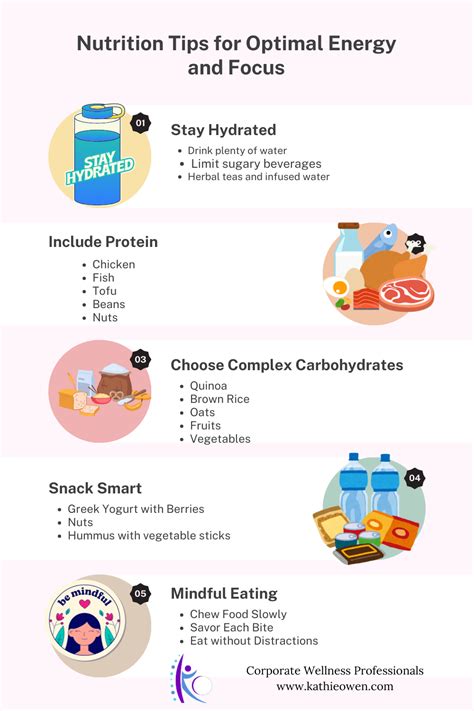
For your body to perform at its best, it requires a steady supply of nutrients, not just calories. Focusing on whole, unprocessed foods is key to avoiding energy crashes and feeling vibrant throughout the day. Prioritize lean proteins (chicken, fish, legumes, eggs), complex carbohydrates (whole grains, sweet potatoes, oats), healthy fats (avocado, nuts, seeds), and an abundance of fruits and vegetables.
These foods provide sustained energy release, essential vitamins, and minerals, and help stabilize blood sugar levels. Avoid excessive sugars and refined grains, which offer a quick energy spike followed by an inevitable slump.
Mastering Your Grocery Budget: Smart Shopping Strategies
Saving money on groceries starts long before you step foot in the supermarket. The foundation of a budget-friendly and energy-boosting diet is meticulous planning and mindful shopping. Here’s how to revolutionize your grocery routine:
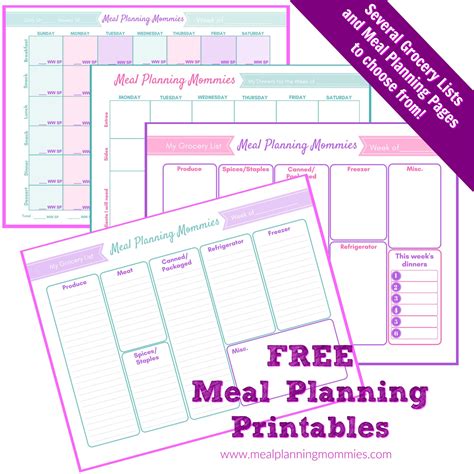
- Meal Plan Like a Pro: Dedicate time each week to plan all your meals, including snacks. This prevents impulse buys and ensures you only purchase what you need.
- Shop with a List: Stick strictly to your shopping list, which should be based directly on your meal plan.
- Buy In Season: Seasonal produce is typically cheaper, fresher, and more flavorful.
- Utilize Sales and Coupons: Keep an eye on weekly flyers and digital coupons for staples.
- Compare Prices: Don’t be afraid to check unit prices or even visit different stores for the best deals on specific items.
- Embrace Store Brands: Often, store-brand products are just as good as their name-brand counterparts but at a fraction of the cost.
Budget-Friendly Energy Boosters You Can Rely On
Many of the most nutritious foods are also some of the most affordable. Incorporating these into your diet will provide excellent energy without breaking the bank:
- Oats: A fantastic complex carb for breakfast, providing sustained energy. Buy in bulk for extra savings.
- Legumes (Beans, Lentils): Incredibly versatile, high in protein and fiber, and very inexpensive. Great for soups, stews, salads, and vegetarian meals.
- Eggs: A complete protein, quick to cook, and budget-friendly.
- Frozen Fruits and Vegetables: Often cheaper than fresh, especially out of season, and just as nutritious. Perfect for smoothies, stir-fries, and side dishes.
- Root Vegetables: Potatoes, carrots, onions, and sweet potatoes are cheap, versatile, and store well.
- Chicken Thighs/Drumsticks: Often more economical than breasts and packed with flavor.

The Power of Meal Prep and Cooking at Home
One of the most effective ways to save money and ensure healthy eating is to cook the majority of your meals at home. Eating out, even occasionally, significantly inflates food costs and often involves less nutritious options.
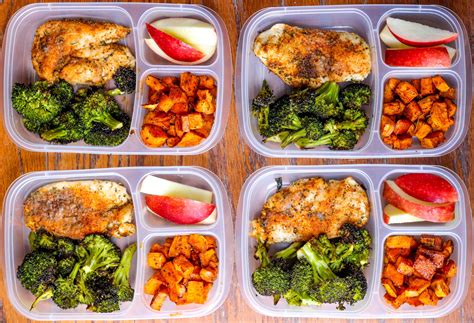
Meal prepping takes this a step further. Dedicate a few hours one day a week to chop vegetables, cook grains, and prepare components or entire meals. This ensures you always have healthy, ready-to-eat options, reducing the temptation for takeout when you’re tired or busy. Batch cooking large portions of meals like chili, soups, or casseroles and freezing individual servings is another excellent strategy.
Hydration and Mindful Eating: Often Overlooked Energy Boosters
Beyond solid food, don’t underestimate the power of proper hydration. Dehydration can lead to fatigue, headaches, and a general lack of energy. Make water your primary beverage, and carry a reusable water bottle to remind yourself to sip throughout the day. Furthermore, practicing mindful eating – paying attention to your body’s hunger and fullness cues – can prevent overeating and improve digestion, both contributing to better energy levels.
By implementing these strategies, you’ll not only notice a significant reduction in your grocery bills but also a remarkable improvement in your energy, focus, and overall well-being. It’s about making conscious, informed choices that benefit both your body and your budget.