Many of us experience the frustrating cycle of energy spikes followed by dramatic crashes, leaving us feeling sluggish and unproductive. The secret to consistent, all-day energy doesn’t lie in caffeine overload or quick fixes, but rather in a well-thought-out approach to how we fuel our bodies. By understanding the science behind sustained energy, you can unlock a vibrant, crash-free day.
The Foundation: Balanced Macronutrients
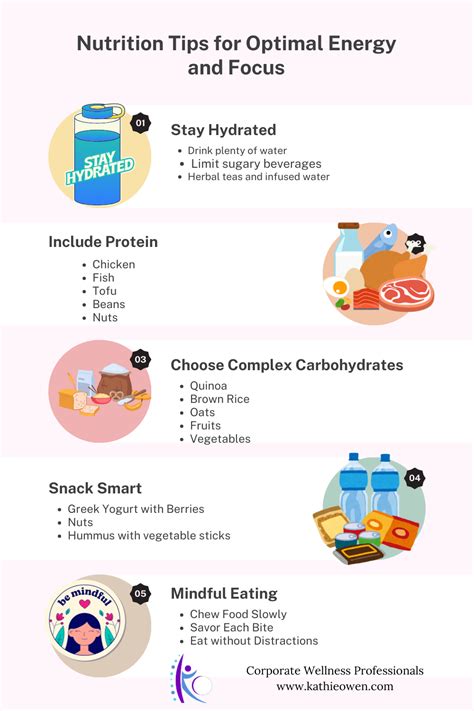
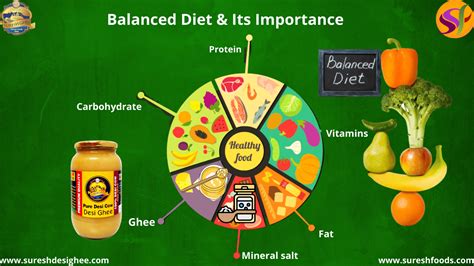
For steady energy, it’s crucial to consume a balanced mix of macronutrients: carbohydrates, proteins, and fats. Not all carbs are created equal; prioritize complex carbohydrates like whole grains, fruits, and vegetables. These break down slowly, providing a sustained release of glucose into your bloodstream, unlike simple sugars which cause rapid spikes and subsequent crashes.
Lean proteins, found in chicken, fish, legumes, and tofu, are essential for muscle repair and also contribute to satiety and a more gradual rise in blood sugar when paired with carbs. Healthy fats, such as those from avocados, nuts, seeds, and olive oil, are vital for hormone production and further slow down digestion, ensuring a prolonged sense of fullness and steady energy supply.
Strategic Meal Timing and Portion Control
Skipping meals or going too long between eating can lead to significant drops in blood sugar, resulting in hunger pangs, irritability, and energy crashes. Aim to eat smaller, balanced meals every 3-4 hours. This keeps your metabolism active and provides a continuous flow of nutrients to your cells. Consistent eating patterns help regulate blood sugar levels, preventing the drastic highs and lows that deplete your energy reserves. Pay attention to portion sizes to avoid overeating, which can divert energy towards digestion and leave you feeling sluggish.

Hydration: The Unsung Hero
Often overlooked, proper hydration is fundamental for energy production. Even mild dehydration can significantly impact your energy levels, mood, and cognitive function. Water is essential for transporting nutrients, regulating body temperature, and facilitating metabolic reactions that generate energy. Make it a habit to drink water throughout the day, not just when you feel thirsty. Herbal teas and water-rich fruits and vegetables also contribute to your daily fluid intake.

Smart Snacking and Avoiding Energy Zappers
Mid-morning or afternoon slumps are often a call for a healthy snack, not a sugar fix. Opt for nutrient-dense snacks that combine protein, healthy fats, or complex carbs, such as a handful of almonds, an apple with peanut butter, or Greek yogurt. Avoid processed foods, sugary drinks, and refined grains, which offer a quick burst of energy followed by an inevitable crash. These “energy zappers” disrupt blood sugar stability and can leave you feeling more tired than before.
Beyond Food: Lifestyle Factors for Peak Energy
While nutrition is paramount, other lifestyle factors significantly influence your energy levels. Adequate sleep is non-negotiable; aim for 7-9 hours of quality sleep per night. During sleep, your body repairs and regenerates, recharging your energy stores. Chronic stress can also drain your energy reserves and disrupt hormonal balance, so incorporating stress-management techniques like mindfulness, meditation, or light exercise is crucial for sustained vitality.

Putting It All Together for Lasting Vitality
Achieving all-day energy without crashes is an achievable goal with a mindful approach to your diet and lifestyle. By focusing on balanced macronutrients, strategic meal timing, consistent hydration, smart snacking, and good sleep hygiene, you can cultivate a body that operates at its peak performance, empowering you to tackle your day with sustained vigor and clarity. Make these changes gradually, listen to your body, and enjoy the profound difference steady energy can make in your life.