Unlocking Your Peak Potential Through Smart Nutrition
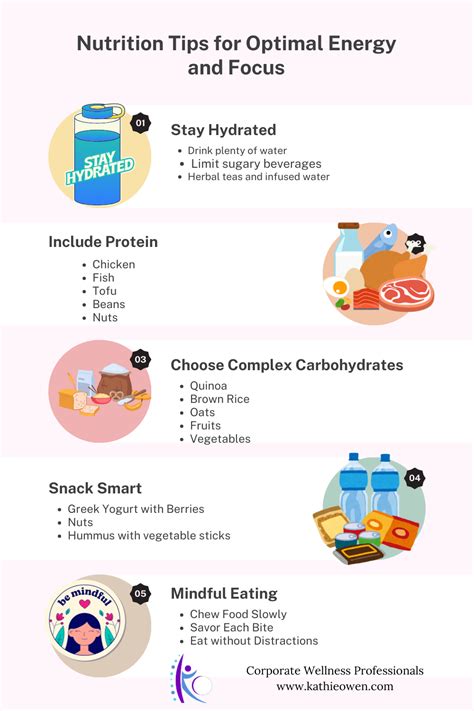
In the relentless pursuit of peak performance, whether in sports, work, or daily life, one factor stands paramount: how you fuel your body. The right nutritional strategy isn’t just about avoiding hunger; it’s about optimizing energy levels, enhancing focus, and sustaining vitality throughout your day without succumbing to debilitating energy crashes. Understanding the science behind what you eat and when you eat it is the first step towards consistent, high-level output.
The Foundational Pillars of Performance Fueling
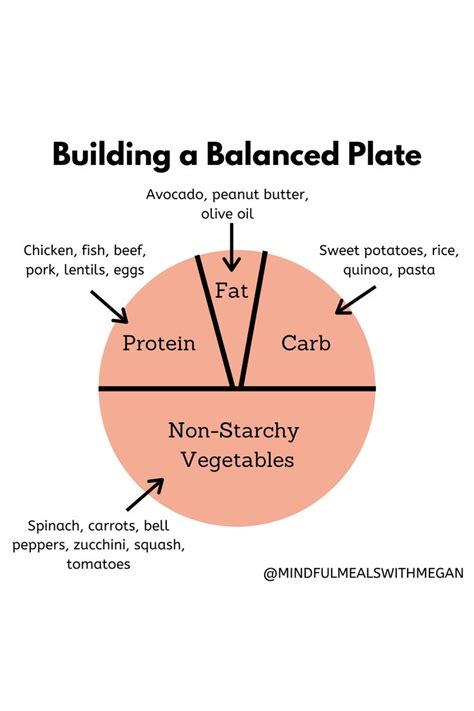
Achieving sustained energy requires a balanced approach to macronutrients – carbohydrates, proteins, and fats – alongside meticulous hydration. Each plays a distinct yet interconnected role in your body’s energy production and maintenance systems. Neglecting any one component can create imbalances that lead to fatigue and reduced performance.
Carbohydrates: Your Primary Energy Source
Often misunderstood, carbohydrates are the body’s preferred and most efficient source of energy. They are broken down into glucose, which fuels your brain, muscles, and organs. The key lies in choosing the right types of carbohydrates:
- Complex Carbohydrates: Found in whole grains (oats, brown rice, quinoa), vegetables, and legumes, these are digested slowly, providing a steady release of glucose into the bloodstream. This prevents sharp insulin spikes and subsequent energy drops, offering sustained energy.
- Simple Carbohydrates: Found in fruits, milk, and refined sugars, these provide quick energy. While useful for immediate energy needs (e.g., during or immediately after intense exercise), over-reliance can lead to rapid energy spikes and crashes.

Proteins: Building Blocks and Satiety
Proteins are essential for muscle repair and growth, enzyme production, and hormone synthesis. Beyond their structural roles, proteins also contribute to satiety, helping you feel fuller for longer, which can prevent overeating and regulate blood sugar. Incorporate lean protein sources like chicken, fish, eggs, dairy, and plant-based options such as tofu, beans, and lentils into every meal.
Healthy Fats: Sustained Power and Vital Functions
Dietary fats are crucial for long-term energy, hormone production, nutrient absorption, and organ protection. They are a dense source of calories and provide sustained energy, especially during lower-intensity, longer-duration activities. Focus on unsaturated fats from avocados, nuts, seeds, olive oil, and fatty fish, while limiting saturated and trans fats.
The Critical Role of Hydration
It’s easy to overlook, but adequate hydration is fundamental to energy production and avoiding fatigue. Water facilitates nutrient transport, regulates body temperature, lubricates joints, and helps organs function optimally. Even mild dehydration can significantly impair physical and cognitive performance, leading to lethargy and headaches. Aim to drink plenty of water throughout the day, increasing intake during exercise or hot weather.

Strategic Meal Timing to Outsmart Energy Crashes
Beyond what you eat, when you eat profoundly impacts your energy levels. Strategic meal timing can optimize nutrient delivery and maintain stable blood sugar.
- Breakfast: Never skip it. A balanced breakfast kickstarts your metabolism and replenishes glucose stores after an overnight fast.
- Regular Meals and Snacks: Eating smaller, balanced meals and snacks every 3-4 hours helps maintain stable blood sugar levels, preventing drastic drops that lead to cravings and energy crashes.
- Pre-Exercise Fuel: A small, easily digestible meal rich in complex carbs 2-3 hours before a workout provides sustained energy. If closer to the workout, opt for simpler carbs.
- Post-Exercise Recovery: Within 30-60 minutes after exercise, consume a combination of carbohydrates and protein to replenish glycogen stores and initiate muscle repair.
Avoiding the Pitfalls: What Causes Energy Crashes?
Energy crashes are often a result of rapid fluctuations in blood sugar. Common culprits include:
- Excessive Simple Sugars: Sugary drinks, candies, and refined snacks cause a rapid rise in blood sugar, followed by an equally rapid fall.
- Skipping Meals: Prolonged periods without food lead to low blood sugar, resulting in fatigue and irritability.
- Inadequate Hydration: As mentioned, dehydration directly impacts energy levels.
- Lack of Sleep and Stress: While not directly dietary, these factors severely impact your body’s ability to regulate energy and utilize nutrients effectively.

Practical Strategies for Sustainable Energy
- Prioritize Whole Foods: Build your diet around fruits, vegetables, whole grains, lean proteins, and healthy fats.
- Plan Ahead: Meal prepping and planning snacks can prevent impulsive, unhealthy choices when hunger strikes.
- Listen to Your Body: Pay attention to hunger cues and how different foods make you feel. Adjust your diet based on your body’s unique needs and responses.
- Stay Consistent: Consistency in both diet and lifestyle (sleep, exercise) is key to long-term energy stability.

Conclusion
Fueling for peak performance and effectively avoiding energy crashes isn’t a secret formula but rather a consistent application of well-established nutritional principles. By prioritizing complex carbohydrates, lean proteins, healthy fats, and consistent hydration, alongside strategic meal timing, you empower your body and mind to operate at their highest potential. Embrace these habits, and you’ll unlock a sustainable source of energy, resilience, and focus for every challenge that comes your way.