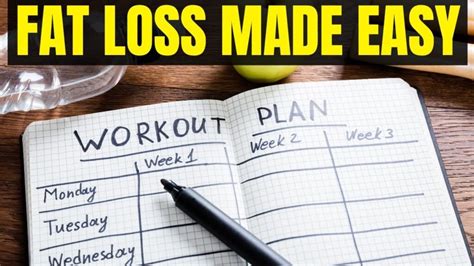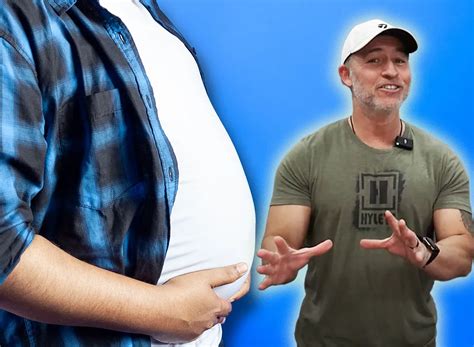
As men cross the threshold of 30, many find that the battle against belly fat becomes significantly tougher. What used to be a relatively simple endeavor in their younger years now feels like an uphill struggle. This isn’t just about aesthetics; excess abdominal fat, particularly visceral fat, poses serious health risks, including heart disease, type 2 diabetes, and certain cancers. But fear not – while it requires a more strategic approach, effectively reducing stubborn belly fat is absolutely achievable.
Why Belly Fat Gets Stubborn After 30
Several physiological changes contribute to the persistence of belly fat as men age. Hormonal shifts, particularly a gradual decline in testosterone and an increase in cortisol (the stress hormone), play a significant role. Metabolism also naturally slows down, meaning the body burns fewer calories at rest. Furthermore, lifestyle factors such as increased stress, poorer sleep quality, and less physical activity often compound the issue, making fat loss feel like an impossible task.
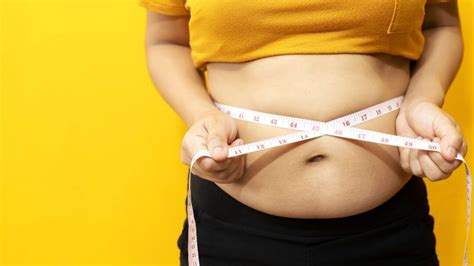
Mastering Your Nutrition: The Foundation of Fat Loss
You can’t out-train a bad diet. Nutrition is the cornerstone of any successful fat loss strategy. For men over 30, this means focusing on quality and sustainability.
Prioritize a Calorie Deficit
To lose fat, you must consume fewer calories than you burn. Start by calculating your maintenance calories and aim for a deficit of 300-500 calories per day. This doesn’t mean starvation; it means smart choices.
Embrace Protein and Fiber
High-protein diets promote satiety, help preserve muscle mass during weight loss, and have a higher thermic effect (meaning your body burns more calories digesting them). Aim for 1.6-2.2 grams of protein per kilogram of body weight. Fiber-rich foods like vegetables, fruits, and whole grains also boost fullness and support digestive health, preventing spikes in blood sugar that can lead to fat storage.
Cut Down on Sugar and Refined Carbs
These are major culprits behind belly fat. Sugary drinks, processed snacks, white bread, and pastries cause rapid blood sugar spikes, leading to insulin release and fat storage, especially around the midsection. Opt for complex carbohydrates and natural sugars from whole foods instead.
Incorporate Healthy Fats
Don’t fear fats; choose them wisely. Avocados, nuts, seeds, olive oil, and fatty fish (like salmon) provide essential nutrients, keep you satisfied, and support hormonal balance. Moderation is key due to their high calorie density.
Strategic Exercise for Fat Burning
While diet lays the groundwork, targeted exercise amplifies fat loss and improves overall body composition.
High-Intensity Interval Training (HIIT)
HIIT involves short bursts of intense anaerobic exercise followed by brief recovery periods. It’s incredibly effective for burning calories during and after the workout (EPOC effect) and has been shown to be particularly good at targeting stubborn belly fat. Aim for 2-3 sessions per week.
Strength Training is Non-Negotiable
Building and maintaining muscle mass is crucial for men over 30. Muscle is metabolically active, meaning it burns more calories at rest than fat. Incorporate full-body strength training 2-4 times a week, focusing on compound movements like squats, deadlifts, presses, and rows. This not only boosts your metabolism but also sculpts your physique.
Integrate Consistent Cardio
While HIIT is powerful, steady-state cardio (like jogging, cycling, or swimming) for 30-45 minutes, 2-3 times a week, remains valuable for cardiovascular health and maintaining a calorie deficit. It complements HIIT and strength training without overtaxing your body.

Lifestyle Factors That Matter
Beyond diet and exercise, several daily habits significantly impact your ability to shed belly fat.
Manage Stress Effectively
Chronic stress elevates cortisol levels, which promotes fat storage around the abdomen. Incorporate stress-reduction techniques into your daily routine, such as meditation, yoga, deep breathing exercises, spending time in nature, or engaging in hobbies you enjoy.
Prioritize Quality Sleep
Lack of sleep disrupts hormones that regulate appetite (ghrelin and leptin) and increases cortisol. Aim for 7-9 hours of quality sleep per night. Establish a consistent sleep schedule and create a relaxing bedtime routine.
Stay Hydrated
Drinking plenty of water supports metabolism, aids digestion, and can help you feel fuller, potentially reducing overall calorie intake. Often, thirst is mistaken for hunger.
Limit Alcohol Intake
Alcohol is calorie-dense and can impair fat metabolism. Excessive consumption can also disrupt sleep and increase cortisol levels, contributing to belly fat accumulation. Moderate your intake or consider cutting it out entirely if you’re serious about fat loss.

Consistency is Key
Reducing stubborn belly fat after 30 isn’t about quick fixes; it’s about consistent, sustainable changes. It requires patience, discipline, and a holistic approach that addresses nutrition, exercise, and lifestyle. By understanding the unique challenges and implementing these strategies diligently, men over 30 can effectively reclaim their health and achieve a leaner, stronger physique.