Achieving a lean, muscular physique is a common goal for many men. The challenge often lies in reducing body fat percentage without sacrificing the hard-earned muscle mass. This process, often referred to as “cutting,” requires a strategic approach that balances nutrition, training, and recovery. It’s not just about eating less and training more; it’s about intelligent manipulation of these variables to signal the body to burn fat while holding onto muscle.
Understanding the Caloric Deficit
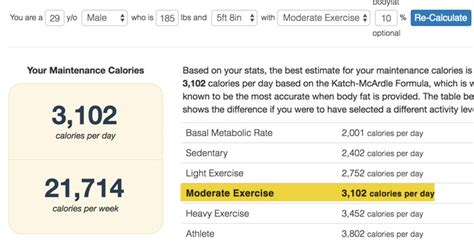
To lose fat, you must consume fewer calories than you burn – a caloric deficit. However, the key is to create a deficit that is significant enough to promote fat loss but not so aggressive that it leads to muscle catabolism. A moderate deficit of 300-500 calories below your maintenance level is generally recommended. This allows for sustainable fat loss of 0.5-1% of body weight per week. Calculating your Total Daily Energy Expenditure (TDEE) is the first step, then subtracting the desired deficit.
Prioritizing Protein Intake
Protein is paramount when cutting. A high protein intake helps preserve muscle mass during a caloric deficit, increases satiety (reducing hunger), and has a higher thermic effect of food (meaning your body burns more calories digesting protein than carbs or fats). Aim for 1.6-2.2 grams of protein per kilogram of body weight, or even higher (up to 2.5-3g/kg) during more aggressive cuts. Lean sources like chicken breast, fish, lean beef, eggs, and protein supplements are excellent choices.
Strategic Strength Training
Do not abandon heavy lifting when cutting. In fact, it’s more important than ever. Strength training signals to your body that your muscles are still needed, helping to prevent muscle loss. Focus on compound movements (squats, deadlifts, bench press, overhead press, rows) and maintain a high intensity with appropriate volume. While your strength might slightly decrease due to the deficit, the goal is to maintain as much of it as possible. Continue to challenge yourself with progressive overload where feasible.

The Role of Cardio
Cardiovascular exercise can be a useful tool to increase your caloric deficit, but it should be used strategically. Too much cardio, especially at high intensities, can increase cortisol levels and potentially lead to muscle loss. Prioritize low-to-moderate intensity cardio (LISS) like brisk walking, cycling, or elliptical for 30-45 minutes, 3-4 times a week. High-intensity interval training (HIIT) can also be incorporated sparingly (1-2 times a week) if desired, but be mindful of recovery.
Mastering Macronutrient Ratios
While protein is prioritized, carbohydrates and fats also play crucial roles.
- Carbohydrates: Provide energy for workouts and support thyroid function. Opt for complex carbs like oats, rice, potatoes, and whole grains. Timing some of your carb intake around your workouts can be beneficial.
- Fats: Essential for hormone production and overall health. Focus on healthy fats from avocados, nuts, seeds, and olive oil. Aim for 0.5-1 gram of fat per kilogram of body weight. Adjust these ratios based on individual response and energy levels.

Importance of Sleep and Stress Management
Cutting calories and increasing activity can be stressful on the body. Insufficient sleep and high stress levels elevate cortisol, a hormone that can promote fat storage (especially visceral fat) and muscle breakdown. Aim for 7-9 hours of quality sleep per night. Incorporate stress-reducing activities like meditation, yoga, or spending time in nature. Your body repairs and grows most effectively during rest.

Hydration and Micronutrients
Don’t overlook the basics. Staying adequately hydrated is crucial for metabolic processes, nutrient transport, and overall performance. Drink plenty of water throughout the day. Ensure you’re getting a wide array of vitamins and minerals from fruits, vegetables, and potentially a multivitamin to support bodily functions and energy levels, especially when in a deficit.
Monitoring Progress and Adjusting
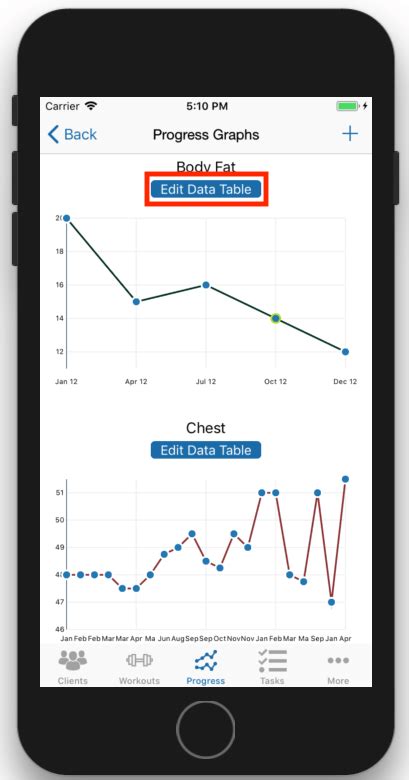
Your body is not a static machine. Regularly monitor your progress through scale weight, body measurements, progress photos, and how your clothes fit. If fat loss stalls, consider slightly increasing your deficit, adding a bit more cardio, or increasing your NEAT (Non-Exercise Activity Thermogenesis). If you feel excessively fatigued or are losing strength too rapidly, you might need to slightly increase calories. Be patient and consistent.
Conclusion
Cutting body fat while maintaining lean muscle mass is a challenging yet achievable goal for men. It requires a disciplined, multi-faceted approach focused on a moderate caloric deficit, high protein intake, consistent strength training, strategic cardio, adequate sleep, and effective stress management. By staying consistent and making smart adjustments along the way, you can reveal the lean, muscular physique you’ve worked hard to build.