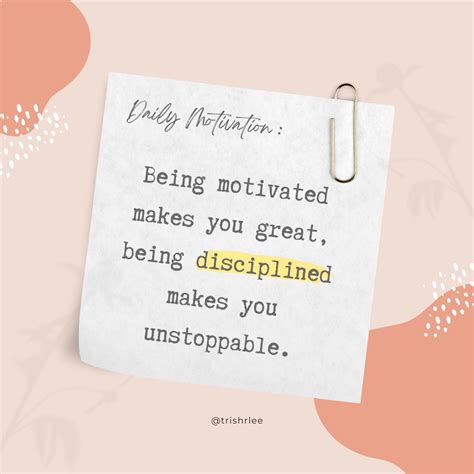
Embracing the Power of Mental Grit
Life is an unpredictable journey, often throwing curveballs that test our limits. Whether you’re striving for a new personal best in the gym or working towards financial independence, encountering plateaus and setbacks is inevitable. It’s not the presence of these obstacles that defines us, but how we respond to them. This is where mental grit – the unwavering passion and perseverance toward long-term goals despite obstacles – becomes your most powerful asset.
Mental grit isn’t an innate talent; it’s a skill that can be developed and strengthened over time. It’s about having the fortitude to push through discomfort, learn from failures, and maintain focus on your ultimate vision, even when the path ahead seems daunting.

Understanding the Nature of Plateaus and Setbacks
Before cultivating grit, it’s crucial to understand the challenges themselves. A fitness plateau might manifest as stagnant weight loss, stalled strength gains, or a persistent lack of progress despite consistent effort. Financially, a setback could be anything from unexpected job loss, a significant market downturn, or unforeseen medical expenses that derail your savings plan. These moments often trigger feelings of frustration, demotivation, and even despair. Recognizing these emotions is the first step toward managing them effectively.
The key is to view these periods not as failures, but as opportunities for re-evaluation, learning, and growth. They are signals that something needs to change – perhaps your approach, your strategy, or simply your perspective.
Core Pillars of Cultivating Grit
1. Develop a Growth Mindset
Embrace the belief that your abilities and intelligence can be developed through dedication and hard work. Instead of seeing a plateau as evidence of your limitations, view it as a challenge to be overcome. A growth mindset transforms ‘I can’t’ into ‘I’ll find a way.’
2. Practice Self-Awareness and Acceptance
Understand your emotional responses to setbacks. Acknowledge feelings of frustration or disappointment without letting them consume you. Accept the current reality, but refuse to let it define your future. This acceptance frees you to focus on solutions rather than dwelling on problems.
3. Set Clear, Process-Oriented Goals
While outcome goals (e.g., lift X weight, save Y amount) are important, break them down into smaller, actionable process goals. Focus on the daily habits and efforts that contribute to the larger objective. Celebrating these small wins builds momentum and reinforces your commitment.

Strategies for Fitness Plateaus
When your fitness journey hits a wall, mental grit is paramount. Here’s how to apply it:
- Vary Your Routine: Introduce new exercises, different rep ranges, or alternative training modalities. Shocking your body can stimulate new growth and break through stagnation.
- Prioritize Recovery: Ensure you’re getting enough sleep, proper nutrition, and active recovery. Overtraining can often be the culprit behind a plateau.
- Re-evaluate Your Nutrition: Fine-tune your caloric intake and macronutrient ratios. Small adjustments can make a big difference.
- Seek Expert Guidance: A personal trainer or coach can offer an objective perspective, identify weaknesses, and provide a tailored plan to push past your limits.

Strategies for Financial Setbacks
Navigating financial difficulties requires a unique brand of mental toughness, often involving difficult decisions and delayed gratification:
- Create a Detailed Emergency Plan: Before a setback hits, establish an emergency fund. If one has already occurred, create a new, leaner budget and prioritize essential spending.
- Educate Yourself Continuously: Learn about personal finance, investing, and debt management. Knowledge empowers you to make informed decisions and adapt to changing circumstances.
- Seek Professional Advice: Don’t hesitate to consult a financial advisor. They can provide unbiased guidance, help restructure debt, and formulate a realistic recovery strategy.
- Maintain a Long-Term Perspective: Financial recovery can be a marathon, not a sprint. Focus on consistent, small actions that move you toward your goals, understanding that progress might be incremental.

Building Daily Habits for Sustained Grit
Grit isn’t just for major crises; it’s forged in daily routines:
- Mindfulness and Meditation: These practices enhance self-awareness, improve emotional regulation, and help you stay present and focused.
- Journaling: Reflect on your challenges, progress, and feelings. Journaling can help clarify your thoughts and reinforce your commitment.
- Positive Affirmations: Regularly remind yourself of your strengths, capabilities, and goals. Counter negative self-talk with empowering statements.
- Find an Accountability Partner: Share your goals and challenges with a trusted friend, family member, or mentor. Their support can provide extra motivation and perspective.

Conclusion: Your Unshakeable Resolve
Cultivating mental grit is an ongoing process, a continuous strengthening of your inner resolve. It means showing up even when you don’t feel like it, learning from every stumble, and always believing in your capacity to adapt and overcome. Whether facing a fitness plateau or a financial storm, remember that your resilience is a muscle. The more you exercise it by pushing through discomfort and staying committed to your long-term vision, the stronger and more unshakeable it becomes. Embrace the challenge, and let your grit pave the way to your ultimate success.