Life, in its unpredictable nature, consistently tests our resolve. Whether it’s a fitness plateau that frustrates your progress or an unexpected financial hit that shakes your security, setbacks are an inevitable part of the human experience. The true measure of our strength isn’t in avoiding these challenges, but in how we respond to them. Cultivating a resilient mindset is the key to not just enduring, but thriving through life’s inevitable ups and downs, transforming obstacles into stepping stones.
Embracing the Inevitability of Setbacks
Many of us enter new ventures, be it a fitness regimen or a financial plan, with an optimistic, linear view of progress. However, the path to sustained growth is rarely straight. In fitness, you might face injuries, motivation dips, training plateaus, or the frustration of not seeing immediate results. These are normal, and expecting them can soften their blow. Similarly, financial journeys are fraught with market downturns, unforeseen expenses (medical emergencies, car repairs), job losses, or inflation eroding your savings. Recognizing that these are not failures but common occurrences helps shift your perspective from despair to preparedness.
Pillars of a Resilient Mindset
Resilience isn’t an innate trait; it’s a skill set developed through conscious effort. Here are its core components:
1. Self-Awareness and Acceptance
The first step is to acknowledge the reality of your situation and your feelings without judgment. Denying or suppressing emotions like frustration, fear, or disappointment only prolongs the struggle. Accepting what is, rather than dwelling on what ‘should be,’ frees up mental energy to focus on solutions.
2. Cultivating a Growth Mindset
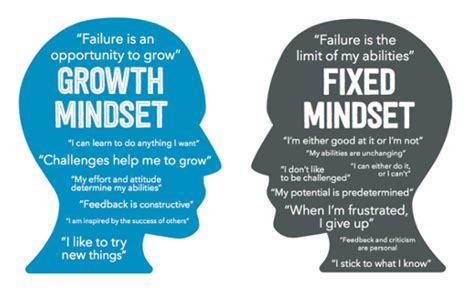
Adopt Carol Dweck’s concept of a growth mindset, viewing challenges and failures not as indicators of inadequacy, but as opportunities to learn, adapt, and improve. Ask yourself: “What can I learn from this?” or “How can I adjust my approach?” This reframes setbacks as valuable feedback.
3. Emotional Regulation
Develop strategies to manage stress, anxiety, and disappointment effectively. This could involve mindfulness, deep breathing exercises, journaling, or talking to a trusted friend or mentor. Learning to process emotions constructively prevents them from spiraling into destructive thought patterns.
Strategies for Fitness Resilience
When your fitness journey hits a snag, these tactics can help you bounce back stronger:
- Set Realistic, Flexible Goals: Avoid perfectionism. Plan for variations in energy levels, time, and physical capability. Progress isn’t linear.
- Listen to Your Body: Prioritize rest and recovery to prevent burnout and injury. Sometimes, a step back is necessary for two steps forward.
- Diversify Your Routine: Introduce variety in your workouts to keep things interesting and reduce the risk of overuse injuries. If running hurts, try swimming or cycling.
- Build a Support System: Surround yourself with positive influences – a workout buddy, a coach, or an online community. Shared experiences can provide motivation and perspective.
- Focus on the Process, Not Just the Outcome: Celebrate effort, consistency, and small improvements. This reinforces positive habits regardless of scale milestones.

Strategies for Financial Resilience
To weather financial storms and emerge stronger, consider these proactive measures:
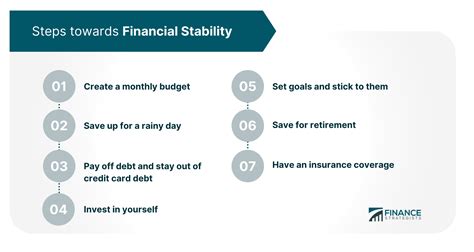
- Build a Robust Emergency Fund: This is your primary safety net. Aim for 3-6 months of living expenses saved in an easily accessible, high-yield account.
- Regularly Review and Adapt Your Budget: Life circumstances change, and so should your financial plan. Be prepared to cut discretionary spending during lean times.
- Diversify Investments Wisely: Don’t put all your eggs in one basket. Spread risk across different asset classes to mitigate market fluctuations.
- Continuous Financial Education: Stay informed about economic trends, personal finance best practices, and investment strategies. Knowledge empowers better decision-making.
- Seek Professional Guidance: Don’t hesitate to consult financial advisors, especially during complex situations or significant life changes.
Integrating Resilience into Daily Life
Resilience is not a destination but a continuous practice. Incorporate daily habits that foster mental toughness and emotional balance. Mindfulness meditation can help you stay present and manage stress. Journaling allows for reflection and processing of thoughts and emotions. Regular reflection on successes and challenges reinforces learning and growth. Understand that physical well-being and financial stability are deeply interconnected; a strong mind supports both.
Conclusion
Cultivating a resilient mindset is perhaps one of the most valuable investments you can make in yourself. It equips you with the mental fortitude to face fitness plateaus, financial downturns, and all of life’s unpredictable challenges with grace and determination. By embracing setbacks as learning opportunities, practicing self-compassion, and building proactive strategies, you can transform adversity into a catalyst for profound personal growth, leading to a more stable, fulfilling, and empowered life.