
Achieving ambitious goals in fitness and finance often feels like climbing two separate, daunting mountains. Yet, the summit of both requires a shared, foundational strength: a resilient mindset. This isn’t about being immune to challenges, but about developing the capacity to bounce back, adapt, and persevere when obstacles inevitably arise. Cultivating such a mindset is not an innate gift but a learnable skill, essential for long-term success in these crucial areas of life.

Understanding Resilience: More Than Just Bouncing Back
Resilience is often simplified as the ability to recover from adversity. While true, it encompasses much more. It’s the dynamic process of adapting well in the face of significant sources of stress, trauma, tragedy, threats, or even significant sources of risk. In the context of fitness, this could mean pushing through a plateau, recovering from an injury, or restarting after a lapse in routine. For finance, it might involve recovering from a market downturn, handling unexpected expenses, or sticking to a budget despite temptations.
The Pillars of a Resilient Mindset:
- Self-Awareness: Understanding your emotional responses and thought patterns during stress.
- Self-Regulation: The ability to manage your emotions and behaviors in constructive ways.
- Optimism: A belief that positive outcomes are possible, even when faced with adversity.
- Problem-Solving: Actively seeking solutions rather than dwelling on problems.
- Purpose and Meaning: A clear understanding of why your goals matter to you.
Common Obstacles to Fitness & Finance Goals
Before building resilience, it’s vital to recognize the common roadblocks that can derail our efforts. These challenges often test our mental fortitude more than our physical or financial resources.
For Fitness:
- Lack of motivation or inconsistent routine.
- Injury or physical limitations.
- Plateaus where progress stalls.
- Time constraints and competing priorities.
- Negative self-talk and body image issues.
For Finance:
- Unexpected expenses or emergencies.
- Market volatility and economic downturns.
- Impulse spending and consumerism.
- Lack of financial literacy or clear planning.
- Peer pressure or social expectations.
Strategies to Cultivate Resilience
Developing a resilient mindset is an ongoing process that involves specific mental and behavioral practices. Here’s how to integrate them into your fitness and financial journeys.
1. Embrace a Growth Mindset
Instead of viewing challenges as insurmountable barriers, see them as opportunities for learning and growth. Believe that your abilities can be developed through dedication and hard work. When you face a fitness plateau, learn new exercises or adjust your diet. When financial plans hit a snag, research new strategies or seek advice.
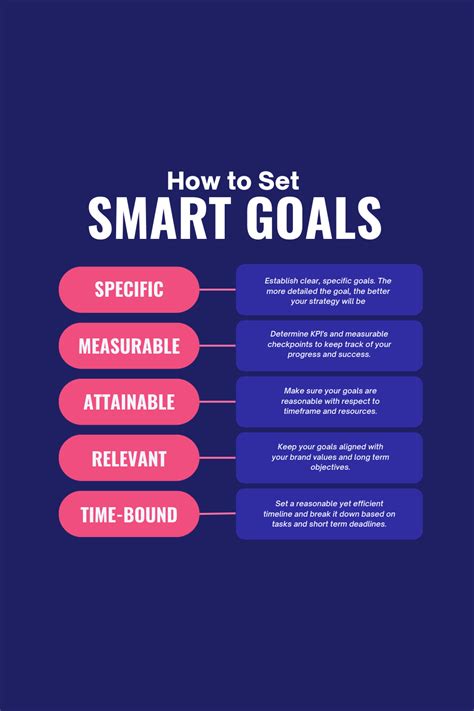
2. Set SMART Goals (and Re-evaluate Them)
Specific, Measurable, Achievable, Relevant, Time-bound goals provide clarity and direction. However, resilience also means being flexible enough to re-evaluate and adjust these goals when circumstances change. Don’t be afraid to pivot if a goal becomes unrealistic; adapt it rather than abandon it entirely.
3. Practice Self-Compassion
It’s easy to be harsh on ourselves when we fall short. Resilience is strengthened by treating yourself with the same kindness and understanding you would offer a friend. Acknowledge your struggles, learn from them, and move forward without excessive self-blame. This is crucial whether you miss a workout or overspend your budget.
4. Develop Strong Support Systems
Surround yourself with people who uplift and motivate you. A fitness buddy can hold you accountable, and a financial advisor or a supportive partner can offer guidance and perspective during tough times. Sharing your journey makes the burden lighter and success more rewarding.

5. Focus on What You Can Control
Many aspects of life, like market fluctuations or an unexpected injury, are beyond our control. A resilient mindset focuses energy on what can be influenced: your daily habits, your spending decisions, your effort, and your reactions. This helps prevent feeling overwhelmed by external factors.
6. Implement Mindful Practices
Mindfulness, meditation, and journaling can significantly enhance your ability to stay present, manage stress, and gain clarity. These practices help you observe your thoughts and emotions without judgment, allowing for more intentional responses rather than reactive ones.

Integrating Resilience for Holistic Success
The beauty of cultivating a resilient mindset is that its benefits spill over from one area of your life to another. The discipline learned in sticking to a fitness routine can strengthen your resolve in adhering to a financial plan. The ability to bounce back from a missed financial goal can empower you to recommit to your workout schedule after a break.
Ultimately, a resilient mindset isn’t about avoiding failure, but about building the internal architecture to navigate it with grace and determination. It’s the superpower that allows you to keep moving forward, no matter how many times you stumble on the path to your fitness and financial aspirations.
Conclusion: The Unstoppable You
By consciously adopting these strategies, you’re not just setting yourself up for success in individual goals; you’re transforming your fundamental approach to life’s challenges. You’re building an unstoppable version of yourself—one who sees every setback not as an ending, but as a setup for a stronger comeback. Start today by choosing one small step to cultivate your resilience, and watch as your fitness and finance goals become not just achievable, but inevitable.