
The Indispensable Power of a Resilient Mindset
Life is an unpredictable journey, fraught with twists, turns, and unexpected challenges. Whether it’s a sudden financial downturn, a fitness plateau, or a personal crisis, the ability to bounce back, adapt, and grow from adversity is not just desirable—it’s essential. This capacity is known as resilience, a psychological superpower that allows individuals to navigate stress and trauma without lasting negative impacts.
Cultivating a resilient mindset is a proactive step towards building a more stable and fulfilling life. It’s about developing the mental fortitude to face setbacks head-on, learn from them, and emerge stronger. This article will explore the practical ways to foster resilience across the crucial domains of finance, fitness, and life’s broader hurdles.
Understanding the Core of Resilience
At its heart, resilience isn’t about avoiding stress or hardship; it’s about how you respond to it. It involves a combination of emotional regulation, problem-solving skills, and a positive outlook, even in the face of negativity. Psychologically, resilient individuals often possess a strong sense of self-efficacy, meaning they believe in their ability to succeed in specific situations. They also tend to have robust support networks and view challenges as opportunities for growth rather than insurmountable obstacles.
Building Financial Fortitude
Financial stress is a leading cause of anxiety for many. Economic downturns, job loss, unexpected expenses, or investment losses can shake even the most stable individuals. A resilient financial mindset involves more than just having a savings account; it’s about having the mental frameworks to cope when your financial plans go awry.
Key Strategies for Financial Resilience:
- Emergency Fund: The bedrock of financial resilience. Having 3-6 months of living expenses provides a buffer against unforeseen events.
- Diversification: Not just for investments. Diversify income streams, skills, and even career paths to reduce single points of failure.
- Mindful Spending & Budgeting: Understand where your money goes and make conscious choices. This provides control and reduces impulsive decisions driven by fear or desire.
- Learning from Setbacks: View financial mistakes as lessons. Did an investment fail? Understand why. Did you overspend? Adjust your habits.
- Future-Oriented Thinking: While living in the present, always have an eye on future goals. This provides motivation and a sense of purpose during tough times.
Embracing financial setbacks not as failures but as data points allows for course correction and strengthens future financial decision-making.

Developing Mental Toughness for Fitness Goals
Whether you’re training for a marathon, aiming for weight loss, or simply trying to maintain a healthy lifestyle, fitness journeys are filled with plateaus, injuries, and motivational slumps. A resilient mindset is crucial for pushing through these physical and mental barriers.
Strategies for Fitness Resilience:
- Set Realistic Goals: Overly ambitious goals can lead to burnout and discouragement. Break down large goals into smaller, achievable steps.
- Embrace Failure & Adaptation: Missing a workout or hitting a plateau isn’t a failure, it’s an opportunity to re-evaluate your approach, rest, or adjust your training plan.
- Mind-Body Connection: Listen to your body. Understand the difference between discomfort and pain. Practice mindfulness during exercise to improve focus and endurance.
- Consistency Over Intensity: Showing up, even for a short workout, builds discipline and momentum far more effectively than sporadic, intense bursts.
- Celebrate Small Wins: Acknowledging progress, no matter how minor, reinforces positive behavior and boosts motivation.
The mental game in fitness is often as important as the physical one. It’s the ability to get back to the gym after a break, stick to a diet plan despite cravings, and maintain a positive attitude even when progress is slow.

Navigating Broader Life Challenges with Resilience
Beyond finance and fitness, life presents a myriad of personal and professional hurdles—relationship issues, career setbacks, health crises, loss, and unexpected changes. A resilient mindset here is about maintaining emotional stability and a sense of purpose amidst chaos.
Broad Resilience Builders:
- Positive Self-Talk: Challenge negative thoughts. Replace “I can’t” with “I’ll try my best” or “What can I learn from this?”
- Strong Support Networks: Lean on friends, family, or mentors. Sharing burdens and seeking advice can provide perspective and emotional relief.
- Develop Problem-Solving Skills: Instead of dwelling on problems, focus on solutions. Break down complex issues into manageable steps.
- Practice Acceptance: Some things are beyond our control. Accepting this allows you to focus energy on what you can influence.
- Find Meaning & Purpose: A strong sense of purpose can act as an anchor during turbulent times, providing motivation to persevere.
- Self-Care Practices: Prioritize sleep, nutrition, and relaxation. A well-rested mind and body are better equipped to handle stress.
Resilience in life means understanding that tough times don’t last, but tough people do. It’s about adapting your sails to the winds of change rather than fighting them head-on.

Practical Steps to Make Resilience a Habit
While some people may appear naturally resilient, it’s a skill that can be developed and strengthened over time through conscious effort and practice.
Actionable Steps:
- Mindfulness and Meditation: These practices enhance self-awareness and emotional regulation, helping you observe thoughts and feelings without being overwhelmed by them.
- Cognitive Reframing: Learn to reframe adverse situations. Instead of seeing a layoff as a catastrophe, view it as an opportunity for a new career path.
- Build Strong Relationships: Nurture your connections with others. Social support is a powerful buffer against stress.
- Regular Physical Activity: Exercise is a potent stress reliever and mood booster, enhancing both mental and physical resilience.
- Continuous Learning: Stay curious and open to new knowledge. Learning new skills boosts confidence and adaptability.
- Practice Gratitude: Regularly acknowledge the good things in your life. This shifts your focus from what’s lacking to what you have, fostering a more positive outlook.
- Seek Professional Help When Needed: There’s no shame in seeking guidance from therapists or counselors, especially during significant life events. They can provide tools and strategies for coping.
Remember, resilience isn’t about being invincible; it’s about having the tools to mend, adapt, and keep moving forward when you inevitably stumble. It’s a continuous journey of learning and growth.
Conclusion: Your Path to an Unshakable Mindset
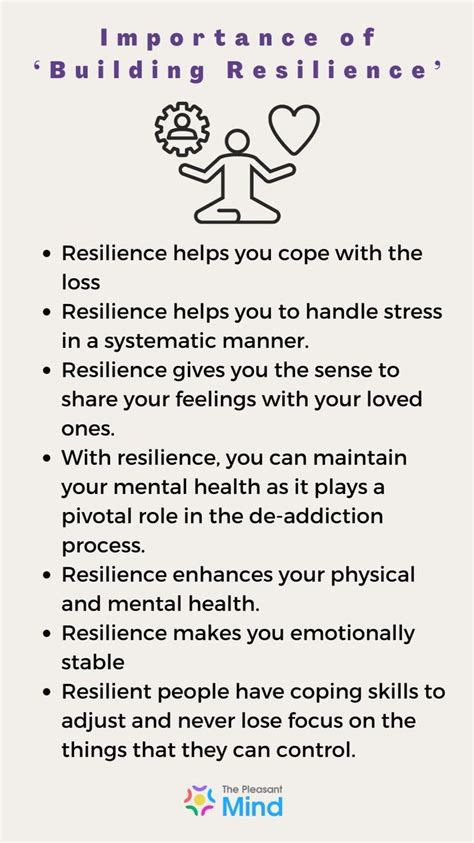
Cultivating a resilient mindset is perhaps one of the most valuable investments you can make in yourself. It’s the armor that protects your financial well-being, the fuel that powers your fitness journey, and the compass that guides you through life’s most challenging storms. By consciously adopting strategies for emotional regulation, proactive planning, and positive reframing, you can transform your approach to adversity. Embrace the journey of building resilience, and empower yourself to not just survive, but thrive, in every aspect of your life.