Credit card debt can feel like a heavy anchor, dragging down your financial aspirations and preventing you from building a secure future. But it doesn’t have to be a permanent state. With the right strategies and unwavering commitment, you can not only eliminate your debt rapidly but also lay a strong foundation for excellent credit and lasting wealth.
The Urgency of Crushing Credit Card Debt
High-interest credit card debt erodes your financial health, making it difficult to save, invest, or even cover unexpected expenses. Every dollar spent on interest is a dollar not working for your future. The sooner you tackle this debt, the more quickly you can redirect your money towards building a prosperous life.
Step 1: Get a Clear Picture of Your Debt
You can’t conquer what you don’t understand. Begin by listing all your credit cards, their outstanding balances, minimum payments, and most importantly, their interest rates (APRs). This clarity is your first weapon in the fight against debt.
- Total Debt: Sum up all your balances.
- Interest Rates: Identify which cards carry the highest APRs.
- Minimum Payments: Know what you absolutely must pay each month.
Step 2: Choose Your Debt Crushing Strategy
There are two primary methods for aggressive debt repayment:
Debt Avalanche Method
This method focuses on paying off cards with the highest interest rates first, regardless of balance. Once the highest-APR card is paid off, you take the money you were paying on it and add it to the payment of the next highest-APR card. This strategy saves you the most money in interest over time.
Debt Snowball Method
The snowball method prioritizes paying off the smallest balance first, regardless of interest rate. Once that card is paid off, you roll its payment into the next smallest balance. This method provides psychological wins early on, which can be motivating for some individuals.
Choose the method that best aligns with your personality and financial discipline. Consistency is key, whichever path you take.
Step 3: Free Up Cash for Extra Payments
To accelerate your debt repayment, you need to find extra money to put towards your principal. This often involves a combination of budgeting, cutting expenses, and increasing income.
- Create a Strict Budget: Track every dollar in and out. Identify non-essential spending that can be reduced or eliminated temporarily.
- Cut Discretionary Spending: Dining out, subscriptions, entertainment – these are often the first places to find savings.
- Increase Income: Consider a side hustle, selling unused items, or asking for a raise. Every extra dollar should go directly to your debt.
- Consider Balance Transfers: If you have good credit, a 0% APR balance transfer card can give you a window of time to pay down debt without accruing interest. Be wary of transfer fees and make sure you can pay off the balance before the promotional period ends.

Step 4: Rebuild Credit While Paying Down Debt
Paying off debt is excellent for your credit score, but you can be proactive in rebuilding it simultaneously.
- Make All Payments On Time: Payment history is the most significant factor in your credit score. Even minimum payments on all cards are crucial.
- Keep Credit Utilization Low: Once a card is paid off, try to keep its balance at 30% or less of its credit limit if you use it.
- Secured Credit Cards: If your credit is poor, a secured card (backed by a cash deposit) can help you rebuild.
- Credit Builder Loans: These loans are designed to help you build credit by making regular payments into a savings account that you receive at the end of the loan term.
- Monitor Your Credit Report: Regularly check your credit report for errors. You can get free reports annually from AnnualCreditReport.com.

Step 5: Pave the Way for Future Wealth
Once the debt is gone, the real wealth building begins. The habits you formed during debt repayment will serve you well.
- Build an Emergency Fund: Aim for 3-6 months of living expenses in a separate, accessible savings account. This prevents future debt.
- Continue Budgeting & Saving: Redirect the money you were paying on debt into savings and investments.
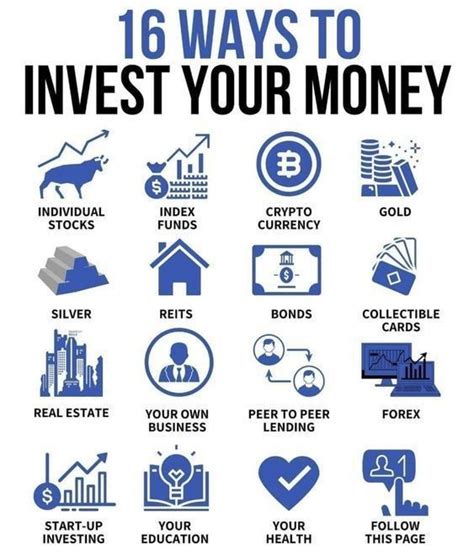
- Start Investing: Learn about different investment vehicles like 401(k)s, IRAs, and index funds. Compound interest is your best friend.
- Maintain Good Credit Habits: Continue paying bills on time, keeping utilization low, and only opening new credit accounts when necessary.

Conclusion
Crushing credit card debt and rebuilding credit is a marathon, not a sprint, but the finish line leads to financial freedom and the opportunity to build substantial wealth. It requires discipline, strategic planning, and consistent action. By taking these steps, you’re not just eliminating debt; you’re investing in a more secure, prosperous future for yourself.