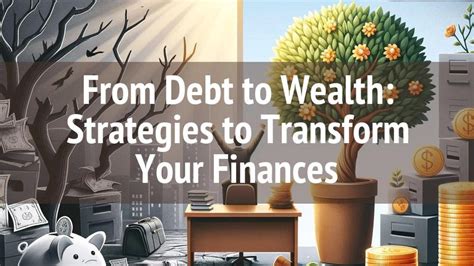
Credit card debt can feel like a heavy chain, holding you back from financial freedom. High interest rates make it difficult to make progress, often leading to a cycle of minimal payments and mounting balances. At the same time, the absence of an emergency fund leaves you vulnerable to unexpected expenses, frequently forcing you back to those very credit cards. This article will guide you through a strategic, dual-pronged approach to aggressively tackle your credit card debt while simultaneously building a protective financial cushion.
Understanding the Debt Dilemma and Emergency Fund Necessity
Before diving into solutions, it’s crucial to grasp why both debt elimination and emergency savings are paramount. Credit card interest rates are among the highest consumer rates, meaning a significant portion of your monthly payment goes towards interest, not the principal. This drains your resources and extends the life of your debt. Concurrently, life’s inevitable curveballs—job loss, medical emergencies, car repairs—can quickly derail any financial progress if you lack savings. An emergency fund acts as your financial shock absorber, preventing new debt creation when unforeseen events strike.

Phase 1: Strategically Crushing Credit Card Debt
1. Get a Clear Picture of Your Debt
List all your credit cards, their balances, interest rates, and minimum payments. This inventory is your battle plan. Knowing exactly what you’re up against is the first step towards conquering it.
2. Choose Your Attack Strategy: Avalanche or Snowball
- Debt Avalanche: Focus on paying off the card with the highest interest rate first, while making minimum payments on others. Once that card is paid off, take the money you were paying on it and apply it to the card with the next highest interest rate. This method saves you the most money in interest over time.
- Debt Snowball: Focus on paying off the card with the smallest balance first, while making minimum payments on others. Once that card is paid off, take the money you were paying on it and apply it to the card with the next smallest balance. This method provides psychological wins, keeping you motivated, though it may cost slightly more in interest.
3. Drastically Cut Expenses & Boost Income
To accelerate debt repayment, you need to free up as much cash as possible. Review your budget with a fine-tooth comb. Look for areas to cut: subscriptions you don’t use, dining out less, finding cheaper alternatives for daily necessities. On the income side, consider a temporary side hustle, selling unused items, or asking for a raise. Every extra dollar should be channeled towards your debt.

4. Consider Debt Consolidation or Balance Transfers (with caution)
If you have good credit, a balance transfer card with a 0% APR introductory period or a low-interest personal loan can consolidate multiple high-interest debts into one lower-interest payment. However, proceed with extreme caution: ensure you can pay off the balance before the 0% APR expires, and avoid accumulating new debt on the old cards.
Phase 2: Building Your Emergency Fund
1. Start Small: The Mini-Emergency Fund
Before going all-in on debt, aim to save a small starter emergency fund, perhaps $1,000. This initial buffer provides immediate protection against minor emergencies, preventing you from adding to your credit card debt should something unexpected arise. This is a crucial first step, even if it temporarily diverts a small amount from debt payments.

2. Set a Realistic Target
Once your debt is under control, or after establishing your mini-fund, your ultimate goal should be 3-6 months’ worth of essential living expenses. Calculate your rent/mortgage, utilities, groceries, transportation, insurance, and other non-negotiable costs. This figure is your emergency fund target.
3. Automate Your Savings
Treat your emergency fund contributions like a non-negotiable bill. Set up automatic transfers from your checking to a separate, high-yield savings account each payday. Out of sight, out of mind (and harder to spend).

4. Find More Funds for Your Fund
Just as with debt repayment, look for ways to boost your emergency savings. Redirect any windfalls (tax refunds, bonuses) directly into this fund. Continue your expense-cutting habits and consider ongoing side income.
The Synergy: Crushing Debt & Building Security Simultaneously
The most effective strategy often involves a careful balance. Once you have your mini-emergency fund (e.g., $1,000), focus the vast majority of your extra income on debt repayment, using either the avalanche or snowball method. Once your high-interest credit card debt is gone, redirect all those freed-up funds—the minimum payments you were making PLUS any extra payments—directly into building your full 3-6 month emergency fund. This approach ensures you’re protected from immediate financial shocks while aggressively tackling debt, and then fully securing your financial future.
Staying Motivated and Debt-Free
Financial freedom is a marathon, not a sprint. Celebrate small victories, track your progress, and regularly review your budget. Once credit card debt is behind you and your emergency fund is robust, you’ll be able to pursue other financial goals, like investing or saving for a down payment, with confidence and peace of mind. Break free from the debt cycle and build a future of financial stability.