In a world saturated with choices, finding gear that truly lasts while delivering peak performance can feel like searching for a needle in a haystack. The allure of new products is constant, but the savvy consumer knows that true value lies in longevity and reliability. Whether you’re an outdoor enthusiast, a professional, or simply someone tired of constantly replacing items, investing in durable, high-performance gear is a decision that pays dividends.
Beyond the Hype: Defining Durability and Performance
Before diving into specific criteria, it’s crucial to understand what “durable” and “high-performance” truly mean in the context of gear. Durability refers to an item’s ability to withstand wear, pressure, or damage over time. It’s about resilience, robust construction, and materials that resist breakdown. Performance, on the other hand, relates to how effectively and efficiently the gear fulfills its intended function. High-performance gear doesn’t just do the job; it excels at it, often providing superior comfort, safety, or efficiency.
Understanding Your Specific Needs and Use Case
The first and most critical step in choosing lasting gear is a thorough assessment of your own needs. What will you be using this gear for? How often? In what conditions? A hiking backpack designed for weekend trips will have different durability and performance requirements than one built for multi-month expeditions. Similarly, a power drill for occasional home repairs differs vastly from one for daily professional use. Define your activities, environment, frequency of use, and any specific challenges the gear will face. This clarity will narrow down your options significantly and prevent overspending on features you don’t need or underspending on gear that won’t hold up.
The Pillars of Durability: Materials and Construction
Material Matters
The foundation of durable gear lies in its materials. Look for high-quality fabrics, metals, and composites known for their strength-to-weight ratio, abrasion resistance, tear strength, and weatherproofing. For textiles, consider options like Cordura nylon, Ripstop, Gore-Tex, or Kevlar for their proven resilience. In hard goods, stainless steel, aircraft-grade aluminum, titanium, or specific high-impact plastics often signify superior strength. Research the specific properties of materials relevant to your gear type.
Construction Quality
Beyond raw materials, how an item is put together dictates its lifespan. Examine stitching – double or triple stitching, bartacks at stress points, and reinforced seams are indicators of quality. Zippers should be robust (YKK is a widely respected brand), buckles sturdy, and any welded or bonded areas flawlessly executed. Poor craftsmanship often manifests as weak points that fail long before the main material.

Evaluating High-Performance Features
Performance isn’t just about raw power; it’s about intelligent design that enhances functionality and user experience. This might include ergonomic design for comfort, advanced waterproofing or breathability for outdoor apparel, precision engineering for tools, or efficient power consumption for electronics. Read specifications carefully. Does the gear meet industry standards or certifications relevant to its use? Does it incorporate innovative technologies that genuinely improve its function, rather than just adding “bells and whistles”? High-performance gear often simplifies complex tasks or makes strenuous activities more manageable.

The Brand Reputation and Review Landscape
A brand’s reputation is often a strong indicator of its commitment to quality and durability. Companies that have been around for decades, especially in specialized fields, usually earn their longevity through consistent product excellence and customer satisfaction. However, don’t rely solely on brand names. Dive into user reviews and independent expert analyses. Look for recurring themes regarding durability issues, performance consistency, and customer service. Websites, forums, and publications dedicated to specific gear types are invaluable resources for unbiased opinions and long-term test results. Be wary of overly enthusiastic or sparse reviews.
Investing in Longevity: Maintenance and Care
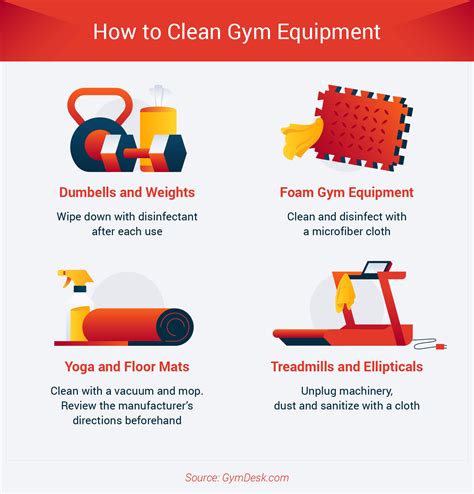
Even the most durable, high-performance gear needs proper care to truly last. Understand the manufacturer’s recommendations for cleaning, storage, and maintenance. Simple practices like regular cleaning, appropriate lubrication for moving parts, drying wet gear thoroughly before storage, and performing minor repairs can significantly extend an item’s lifespan. Consider the availability of spare parts and repair services – a sign that the manufacturer supports product longevity.

Conclusion
Choosing durable, high-performance gear is an act of deliberate decision-making. It involves understanding your needs, scrutinizing materials and construction, evaluating performance features, leveraging brand reputation and reviews, and committing to proper maintenance. By adopting this mindful approach, you move beyond fleeting trends to invest in gear that not only stands up to the rigors of use but also enriches your experiences for years to come. It’s not just about buying a product; it’s about making a wise, long-term investment in reliability and satisfaction.