Understanding the Bench Press Plateau
Hitting a strength plateau in the bench press is a common and frustrating experience for many men dedicated to their fitness journey. It’s that point where, despite consistent effort, your numbers just won’t budge. This stagnation isn’t a sign of failure but rather an indication that your body has adapted to your current routine, and it’s time to introduce new stimuli to promote further growth and strength gains.
Overcoming a plateau requires a multi-faceted approach, looking beyond just pushing harder. It involves a critical assessment of your technique, programming, lifestyle, and even your mental approach. Let’s delve into practical strategies to help you smash through that bench press barrier.
Refine Your Technique
Often, a subtle flaw in your bench press technique can be the hidden culprit behind a plateau. Even experienced lifters can benefit from a form check. Minor adjustments can unlock significant strength potential.
Grip, Setup, and Stability
- Grip Width: Experiment with slightly wider or narrower grips. A wider grip targets the chest more, while a narrower grip emphasizes the triceps. Find the sweet spot where you feel strongest and most stable.
- Wrist Position: Keep your wrists straight, stacked directly over your forearms. Avoid letting them hyperextend, which can lead to injury and loss of power.
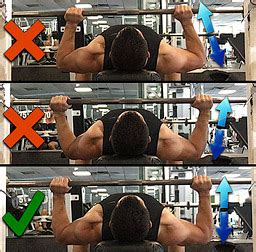
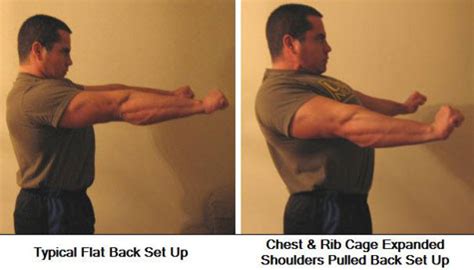
- Shoulder Retraction: Pull your shoulder blades down and back, as if trying to tuck them into your back pockets. This creates a stable base, protects your shoulders, and shortens the range of motion slightly.
- Arch: A slight, controlled arch in your lower back can enhance stability and power. Ensure your glutes remain on the bench.
Bar Path and Leg Drive
- Optimal Bar Path: The bar should typically descend towards your mid-chest/lower sternum and press back up in a slight J-curve, finishing over your shoulders. Practice a consistent, controlled path.
- Leg Drive: Many neglect the power of their legs in the bench press. Drive your feet into the floor, pushing your body towards the head of the bench. This generates whole-body tension and explosive power from the ground up.
Optimize Your Training Program
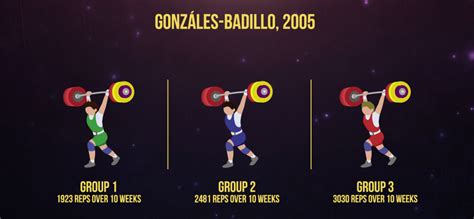
Your body adapts quickly. Sticking to the same sets, reps, and weights week after week will inevitably lead to a plateau. It’s time to introduce progressive overload in new ways.
Vary Reps and Sets (Periodization)
Implement different rep ranges throughout your training cycles:
- High Reps (8-12): Focus on hypertrophy and muscular endurance.
- Moderate Reps (4-7): Ideal for strength building.
- Low Reps (1-3): Develop maximal strength and power, often using heavier loads.
Consider a block periodization approach, dedicating several weeks to one rep range before switching to another.
Increase Frequency
If you’re only benching once a week, increasing your frequency to two or three times a week can significantly boost your progress. More practice means better technique and faster adaptation. Ensure each session has adequate recovery.
Incorporate Deload Weeks
Every 4-6 weeks, a deload week can be crucial for recovery and preventing burnout. Reduce your volume and intensity by 40-60%, allowing your central nervous system and muscles to recover fully. You’ll often come back stronger.

Target Weak Points with Accessory Work
A plateau often indicates a weak link in the kinetic chain. Identify your sticking point (e.g., off the chest, halfway up, lockout) and select accessory exercises to address it.
Strengthen Triceps and Shoulders
- Close-Grip Bench Press: Excellent for triceps strength and lockout power.
- Dips (weighted if possible): Builds triceps and lower chest strength.
- Overhead Press (Barbell or Dumbbell): Strengthens the shoulders and improves overall pressing stability.
- Skullcrushers & Triceps Extensions: Direct triceps isolation.
Improve Lat and Upper Back Strength
Your lats and upper back act as a stable platform for the bench press. Strong lats also help with bar control during the eccentric (lowering) phase.
- Rows (Barbell, Dumbbell, Cable): Essential for building a strong back.
- Pull-ups/Lat Pulldowns: Directly target the lats.
- Face Pulls: Great for shoulder health and upper back strength.

Prioritize Recovery and Nutrition
Training hard is only half the battle. Your body builds strength and muscle when it recovers, not during the workout itself.
Sleep for Muscle Repair
Aim for 7-9 hours of quality sleep per night. During deep sleep, your body releases growth hormone and repairs muscle tissue, which is vital for strength gains.
Fuel Your Performance
- Protein: Consume adequate protein (1.6-2.2g per kg of body weight) to support muscle repair and growth.
- Carbohydrates: Provide energy for intense workouts and replenish glycogen stores.
- Healthy Fats: Important for hormone production and overall health.
Hydration is Key
Dehydration can significantly impair performance and recovery. Drink plenty of water throughout the day.
Advanced Strategies to Push Through
Once you’ve nailed the basics, these advanced techniques can provide the extra stimulus needed to break new ground.
- Pause Reps: Introduce a 1-3 second pause at the bottom of the rep. This eliminates the stretch reflex, forcing your muscles to work harder from a dead stop, improving control and strength off the chest.
- Spoto Presses: Similar to pause reps but stopping 1-2 inches above the chest, maintaining tension throughout the movement without bounce.
- Board Presses: Using 1-3 boards on your chest to shorten the range of motion. This allows you to overload specific parts of the lift and work on lockout strength without excessive shoulder strain.
- Pin Presses: Set the safety pins in a power rack at various heights. Press from a dead stop against the pins, focusing on concentric strength at specific sticking points.
- Banded/Chained Bench Press (Accommodating Resistance): Bands or chains add resistance as you lift the bar, making the top portion of the lift harder. This teaches you to accelerate through the entire range of motion and helps overcome lockout issues.
Conclusion
Breaking a bench press plateau isn’t about one magic trick; it’s about systematically evaluating and adjusting multiple aspects of your training and lifestyle. Be patient, be consistent, and don’t be afraid to experiment. By refining your technique, optimizing your program, targeting weak points, prioritizing recovery, and strategically using advanced techniques, you’ll not only break through your current plateau but also build a more resilient and stronger bench press for the long term. Stay focused, trust the process, and soon you’ll be hitting new personal records.