In an era of fluctuating fuel prices, optimizing your car’s fuel efficiency isn’t just an eco-friendly choice—it’s a financial imperative, especially for daily commuters. A few simple adjustments to your driving habits and vehicle maintenance routine can lead to substantial savings at the pump over time. Let’s explore practical strategies to help you get more miles out of every gallon and reduce your gas costs.
Smarter Driving Habits for Better MPG
Your driving style has a profound impact on how much fuel your car consumes. Aggressive driving, characterized by rapid acceleration and hard braking, is a major fuel guzzler. Instead, adopt a smoother, more gradual approach to driving. Accelerate gently, anticipating stops, and coasting when possible. This not only saves fuel but also reduces wear and tear on your vehicle’s brakes and engine.
Maintaining a consistent speed is another key to efficiency. High speeds increase aerodynamic drag, forcing your engine to work harder. Adhering to speed limits, particularly on highways, can yield significant fuel savings. Furthermore, avoid unnecessary idling; if you anticipate being stopped for more than 30 seconds (not in traffic), it’s often more fuel-efficient to turn off your engine and restart it when ready to go.
For vehicles equipped with cruise control, utilize it on flat, open roads. Maintaining a steady speed without constant micro-adjustments from your foot can be more fuel-efficient than manual control. However, avoid using cruise control on hilly terrain, as it may cause your engine to over-accelerate up inclines, wasting fuel.

Essential Vehicle Maintenance is Key
A well-maintained vehicle runs more efficiently. One of the simplest and most overlooked maintenance tasks is checking your tire pressure regularly. Under-inflated tires increase rolling resistance, forcing your engine to use more fuel to maintain speed. Consult your car’s manual or the sticker on the driver’s side door jamb for the recommended PSI and check them monthly.
Engine tune-ups are crucial. A properly tuned engine, with clean air filters and well-functioning spark plugs, ensures optimal combustion and fuel delivery. A dirty air filter restricts airflow to the engine, making it work harder and consume more fuel. Replacing it every 12,000-15,000 miles, or as recommended by your manufacturer, can improve efficiency by up to 10%.
Spark plugs play a vital role in igniting the air-fuel mixture. Worn or fouled spark plugs can lead to misfires, poor engine performance, and reduced fuel economy. Regular oil changes with the correct type of oil also reduce engine friction, contributing to better efficiency. Follow your manufacturer’s service schedule diligently.

Car-Specific Considerations and Aerodynamics
Every extra pound your car carries requires more fuel to move. Periodically clean out your trunk and back seat, removing any unnecessary items like sports equipment, tools, or old boxes. Reducing vehicle weight can have a small but measurable impact on your fuel consumption.
Aerodynamics also play a role. Roof racks, bike carriers, or even open windows at highway speeds create drag, increasing fuel consumption. If you don’t need your roof rack, consider removing it. Keep windows closed on the highway and use your car’s ventilation system or air conditioning (sparingly, as AC also uses fuel) instead.
While most modern cars are designed to run on regular unleaded gasoline, always check your owner’s manual for recommended fuel types. Using premium fuel when your car doesn’t require it is a common misconception; it won’t boost efficiency and is simply a waste of money. Stick to the manufacturer’s specified octane rating.

Leveraging Technology and Smart Planning
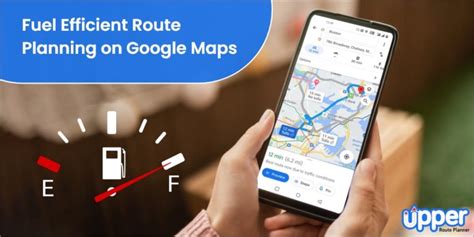
Planning your routes effectively can minimize wasted fuel. Use navigation apps to find the most efficient routes, avoid heavy traffic, and consolidate errands. Even a few minutes saved by avoiding congestion translates to less time spent idling or stopping and starting.
Combine multiple trips into one whenever possible. Cold starts consume more fuel, so making one longer trip instead of several short ones with a cold engine can be more efficient. Grouping your destinations can save both time and gas.
Finally, consider alternatives. For some commutes, carpooling, public transportation, biking, or even walking might be viable options. Not only do these significantly reduce or eliminate your gas costs, but they also contribute to a greener environment and offer health benefits.
By implementing these smart driving habits, committing to regular vehicle maintenance, and making conscious choices about your commute, you can significantly boost your car’s fuel efficiency. The cumulative effect of these small changes will not only lighten your wallet’s burden at the gas station but also contribute to a longer lifespan for your vehicle and a healthier planet.