The Perennial Financial Dilemma
For many, the journey to financial security feels like a constant tug-of-war: aggressively paying down debt on one side, and diligently investing for retirement on the other. Both are undeniably crucial for a stable future, yet they often compete for the same limited funds. The good news is that you don’t have to choose one over the other entirely. With a strategic approach, it’s possible to accelerate debt payoff while simultaneously building a robust retirement nest egg.
Understanding the Conflict: Debt vs. Investing
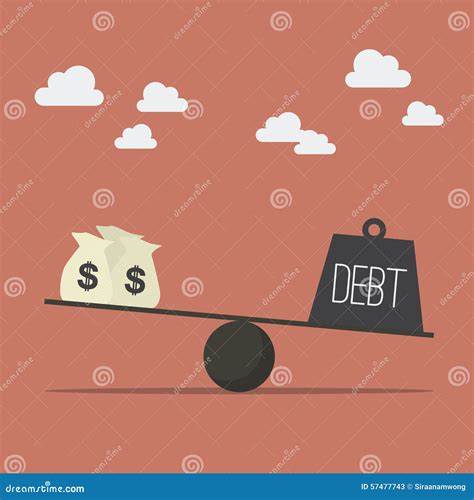
The core of this dilemma lies in opportunity cost. Every dollar allocated to debt repayment is a dollar not invested, and vice-versa. High-interest debt, such as credit card balances or personal loans, can erode your financial health, often charging interest rates far exceeding typical investment returns. Conversely, delaying retirement investing means missing out on the power of compound interest, which is most effective over long periods.
Prioritizing High-Interest Debt
Before making any major investment decisions beyond employer-matched contributions, it’s generally wise to target high-interest debt. Think of the interest rate on your debt as a guaranteed negative return on your money. Paying off a credit card with an 18% APR is equivalent to earning a risk-free 18% return on your money – a return very few investments can consistently match.
- Debt Avalanche Method: Focus on paying off debts with the highest interest rates first, regardless of balance. This method saves you the most money in interest over time.
- Debt Snowball Method: Pay off the smallest debts first to build momentum. While not always mathematically optimal, the psychological boost can be powerful for some.

The Non-Negotiable: Employer-Matched Contributions
One area where there’s little debate is taking advantage of your employer’s 401(k) or similar retirement plan match. This is essentially free money and an immediate, guaranteed return on your investment (often 50% or 100%). If you’re not contributing enough to get the full match, you’re leaving money on the table, regardless of your debt situation. This should be your absolute minimum contribution to retirement savings.
The Hybrid Approach: Finding Your Balance
Once you’ve secured your employer match and have a handle on high-interest debt, you can adopt a more balanced strategy. This often involves a thoughtful allocation of any extra funds you have each month.
Establishing an Emergency Fund
Before aggressively pursuing either goal, ensure you have a solid emergency fund in place. This fund, typically 3-6 months’ worth of essential living expenses, provides a critical safety net, preventing you from going further into debt when unexpected costs arise. It’s the foundation upon which all other financial strategies are built.
Strategic Allocation of Additional Funds
After your emergency fund and employer match are covered, consider these options for any extra money:
- The 50/50 Split: Dedicate half of your extra funds to debt repayment and half to retirement investing. This allows you to make progress on both fronts simultaneously.
- Debt First, Then Accelerate Investing: Aggressively pay off all high-interest consumer debt (excluding, perhaps, a low-interest mortgage) and then redirect all those freed-up funds into retirement accounts. This can be motivating and simplifies your financial landscape.
- Prioritize Mid-Interest Debt vs. Maxing Retirement Accounts: For debts with interest rates between 4-7% (e.g., car loans, student loans), weigh the guaranteed savings of paying them off against the potential long-term returns of investing in a diversified portfolio. Your risk tolerance and investment time horizon will play a significant role here.

Key Considerations for Your Strategy
- Interest Rates vs. Expected Returns: Compare your debt interest rates directly with the historical average returns of your investment options (e.g., 7-10% for diversified stock market investments).
- Risk Tolerance: Are you comfortable with the market fluctuations that come with investing, or do you prefer the guaranteed “return” of debt elimination?
- Time Horizon: The younger you are, the more time compounding has to work its magic. Delaying retirement investing has a greater cost when you have fewer working years ahead.
- Behavioral Aspects: Some individuals find immense motivation in seeing debts disappear, while others are driven by the growth of their investment portfolios.

Regular Review and Adjustment
Your financial situation is not static. Life changes – salaries increase, debts decrease, family needs evolve. It’s crucial to revisit your strategy regularly (at least annually) to ensure it still aligns with your goals, income, and risk tolerance. You might start with a debt-heavy focus and gradually shift more towards investing as debts are cleared.
Conclusion
Balancing aggressive debt payoff with smart retirement investing isn’t about finding a single, universal answer, but rather about creating a personalized strategy that suits your unique circumstances and financial goals. By prioritizing high-interest debt, leveraging employer matches, building an emergency fund, and strategically allocating your additional funds, you can effectively manage both crucial aspects of your financial future and pave the way for long-term wealth and security.