High-interest debt can feel like a relentless uphill battle, eroding your financial progress and creating significant stress. Credit card balances, payday loans, and certain personal loans carry rates that can make it incredibly difficult to get ahead, no matter how much you pay. Taking an aggressive approach is not just about making larger payments; it’s about a complete strategic overhaul of your finances and mindset to reclaim your financial future.
Understanding the High-Interest Debt Trap
Before you can conquer high-interest debt, it’s crucial to understand its insidious nature. Annual percentage rates (APRs) of 15%, 20%, or even higher mean that a significant portion of your monthly payment goes directly to interest, leaving less to reduce the principal. This creates a vicious cycle where debt grows faster than you can pay it down, keeping you trapped. Recognizing this reality is the first step toward building the determination needed to break free.
The Mindset Shift: Aggression and Commitment
Aggressively paying off debt requires more than just good intentions; it demands a radical shift in your financial behavior and a fierce commitment. This means prioritizing debt repayment above almost everything else, making sacrifices, and staying incredibly focused. Think of it as an emergency situation where every spare dollar is a weapon against your debt. This mindset will fuel your efforts and help you navigate the tougher choices ahead.

Choosing Your Battle Plan: Avalanche vs. Snowball
Two primary strategies stand out for aggressive debt payoff: the Debt Avalanche and the Debt Snowball. Each has its merits, and the best choice often depends on your personality and motivation.
The Debt Avalanche Method
This strategy focuses on paying off debts with the highest interest rates first. You make minimum payments on all debts except the one with the highest APR, on which you throw every extra dollar you can find. Once that debt is paid off, you take the money you were paying on it and add it to the minimum payment of the next highest interest rate debt. This method is mathematically the most efficient, saving you the most money on interest over time.
The Debt Snowball Method
The Snowball method prioritizes psychological wins. You list your debts from smallest balance to largest, regardless of interest rate. You make minimum payments on all debts except the smallest one, on which you focus all your extra funds. Once the smallest debt is paid, you take that payment amount and add it to the minimum payment of the next smallest debt, creating a ‘snowball’ of increasing payments. While not mathematically optimal, the rapid success of eliminating smaller debts provides powerful motivation to keep going.

Supercharging Your Payments: Finding Extra Cash
To pay off debt aggressively, you need to find more money than just your regular budget allows. This involves a two-pronged approach: increasing income and drastically cutting expenses.
Increase Your Income
- Side Hustles: Explore opportunities like freelancing, ridesharing, delivery services, or selling crafts to bring in extra income.
- Overtime or Second Job: If your primary job offers overtime, seize it. Consider a temporary part-time job specifically for debt repayment.
- Sell Unused Items: Declutter your home and sell items you no longer need on online marketplaces.
Drastically Cut Expenses
- Temporary Austerity: Commit to a period of extreme frugality. Cook at home, cancel subscriptions, cut out non-essential spending like dining out or entertainment.
- Budget Review: Go through your budget with a fine-tooth comb, identifying every possible area to reduce spending, even small ones.
- Windfalls: Direct any bonuses, tax refunds, or unexpected money straight to your highest-interest debt.

Considering Debt Consolidation and Refinancing
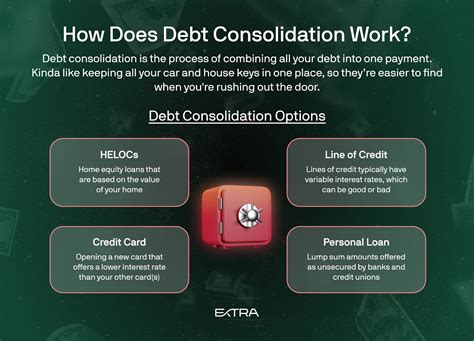
For some, consolidating or refinancing high-interest debt can be a powerful tool, but it’s crucial to approach these options cautiously.
Balance Transfer Credit Cards
If you have good credit, you might qualify for a balance transfer credit card with a 0% introductory APR for a period (e.g., 12-18 months). This can give you a window to pay down a significant portion of your principal without accruing interest, provided you can pay it off before the promotional period ends and the standard high APR kicks in. Be mindful of balance transfer fees.
Personal Loans
A debt consolidation loan is a personal loan with a fixed interest rate and a fixed repayment schedule. If you can secure a personal loan with a significantly lower interest rate than your current high-interest debts, it can simplify your payments and potentially save you money. However, ensure the new loan doesn’t extend your repayment period unnecessarily or come with hidden fees.
Staying Motivated and Debt-Free
Aggressive debt payoff is a marathon, not a sprint. Maintaining motivation is key to seeing it through. Track your progress visually, celebrate small milestones, and remind yourself of your ultimate goal: financial freedom.
Once your high-interest debt is gone, the work isn’t over. Develop new habits to prevent falling back into the debt trap. Build an emergency fund, continue to live below your means, and make smart financial decisions that prioritize saving and investing over borrowing. This aggressive approach isn’t just about eliminating debt; it’s about transforming your relationship with money for a more secure future.