The Perennial Financial Dilemma for Men
For many men, the path to financial freedom often presents a classic fork in the road: should you aggressively pay down debt, or should you focus on investing for future growth? This isn’t a simple either/or question; the optimal strategy is a nuanced blend, influenced by individual circumstances, debt types, interest rates, and long-term financial goals. Understanding how to prioritize these two critical financial actions can significantly impact your wealth-building journey and overall financial well-being.

Understanding Your Debt Landscape
Before making any decisions, it’s crucial to get a clear picture of your debt. Not all debt is created equal, and understanding the different types and their associated interest rates is the first step in crafting an effective strategy.
- High-Interest Debt (e.g., Credit Cards, Personal Loans): These often carry interest rates upwards of 15-20% or even higher. Paying off this type of debt offers a guaranteed ‘return’ equivalent to its interest rate, which is often difficult to match consistently in the investment market. Eliminating high-interest debt frees up significant cash flow and reduces financial stress.
- Mid-Interest Debt (e.g., Student Loans, Car Loans): These typically have interest rates ranging from 4-8%. The decision here becomes more complex, as investment returns in a well-diversified portfolio might potentially outpace these rates over the long term.
- Low-Interest Debt (e.g., Mortgages): Often considered ‘good debt,’ mortgages usually have rates under 5%. Given the tax deductibility of mortgage interest and the potential for higher investment returns, many choose to make minimum payments while aggressively investing.
The Compounding Power of Investing
Investing, especially early in life, leverages the magic of compound interest. Even small, consistent contributions can grow substantially over decades, turning modest sums into significant wealth. Investing allows your money to work for you, creating a passive income stream and building assets that can fund retirement, homeownership, or other major life goals.

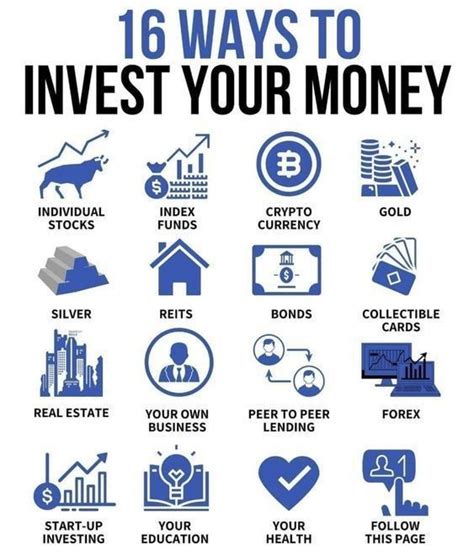
Common investment vehicles for men include:
- Employer-Sponsored Retirement Plans (e.g., 401(k), 403(b)): Especially valuable if your employer offers a matching contribution – that’s essentially free money and an immediate, guaranteed return on your investment.
- Individual Retirement Accounts (IRAs): Roth IRAs and Traditional IRAs offer tax advantages, allowing your investments to grow tax-deferred or tax-free.
- Brokerage Accounts: For investments beyond retirement accounts, providing flexibility and access to a wide range of assets like stocks, bonds, and exchange-traded funds (ETFs).
A Strategic Hybrid Model: Finding the Optimal Balance
The most effective strategy typically involves a hybrid approach, where you prioritize certain actions sequentially or simultaneously based on your unique financial picture. Here’s a common framework:
- Build an Emergency Fund: Before tackling significant debt or investing aggressively, establish a liquid emergency fund of 3-6 months’ worth of living expenses. This acts as a financial safety net, preventing you from incurring new debt if unexpected expenses arise.
- Tackle High-Interest Debt (Debt Avalanche or Snowball): Prioritize paying off any debt with an interest rate above 7-8%. The ‘debt avalanche’ method (paying highest interest first) is mathematically superior, while the ‘debt snowball’ (paying smallest balance first) can provide psychological wins.
- Maximize Employer 401(k) Match: If your employer offers a match, contribute at least enough to get the full match. This is an immediate, risk-free return on your investment that you shouldn’t miss.
- Balance Mid-Interest Debt vs. Broader Investing: Once high-interest debt is gone and you’re getting your 401(k) match, the decision gets trickier. If your student loan rates are 6-7%, you might opt to pay them down quickly. However, if they’re 3-4%, you might choose to invest in a Roth IRA or other diversified portfolio, aiming for higher potential long-term returns.
- Address Low-Interest Debt vs. Aggressive Investing: For mortgages or other low-interest debt, most financial advisors recommend making minimum payments and funneling extra cash into diversified investments. The potential for higher returns in the market often outweighs the small savings from accelerating low-interest debt repayment.

Tailoring the Strategy to Your Life Stage
Your age and career stage also play a significant role in prioritization:
- Younger Men (20s-30s): With potentially less income but more time for compounding, aggressively paying off high-interest debt (especially student loans) while starting consistent, modest investments in a Roth IRA or 401(k) is crucial. Time is your biggest asset for investing.
- Mid-Career Men (30s-50s): As income typically rises, focus shifts to balancing family expenses, mortgage payments, and increasing investment contributions, potentially maxing out retirement accounts and considering taxable brokerage accounts for additional wealth building. Strategic debt reduction remains important.
- Later Career Men (50s+): Prioritize catching up on retirement contributions if behind, leveraging ‘catch-up’ provisions in 401(k)s and IRAs. Consider reducing debt significantly before retirement to minimize fixed expenses and maximize cash flow in your golden years.

Conclusion: A Personalized Path to Prosperity
There is no one-size-fits-all answer to the debt vs. investing dilemma. The optimal strategy for men is highly personalized, requiring an honest assessment of current finances, a clear understanding of financial goals, and consistent discipline. By understanding your debt landscape, appreciating the power of compounding, and implementing a strategic hybrid approach, you can create a robust financial plan that propels you towards optimal financial growth and long-term security. Regularly review your strategy and consider seeking advice from a qualified financial advisor to ensure your plan aligns with your evolving life circumstances.