Setting the Stage: Why Smart Investing is Crucial for Men
For men aiming for a secure financial future, true financial freedom isn’t merely about earning more; it’s about making your money work harder for you. Wise investment choices are the bedrock of long-term wealth accumulation, ensuring a comfortable retirement and the ability to live life on your terms. This guide delves into actionable strategies for men to build lasting wealth, secure their retirement, and achieve ultimate financial independence.

The Foundational Pillars of Men’s Investment Strategy
Before diving into specific assets, it’s essential to establish a robust framework:
1. Start Early and Be Consistent
The power of compound interest is perhaps the greatest ally in wealth building. Starting early, even with modest amounts, allows your investments more time to grow exponentially. Consistency through regular contributions, regardless of market fluctuations, is equally vital.
2. Define Your Financial Goals
What does financial freedom look like to you? Is it an early retirement, funding a child’s education, buying a dream home, or generating passive income? Clear, measurable goals dictate your investment horizon, risk tolerance, and asset allocation.
3. Understand Your Risk Tolerance
Men often have a higher appetite for risk, but it’s crucial to understand your personal comfort level with market volatility. A suitable portfolio balances potential returns with the level of risk you can emotionally and financially withstand without panic-selling during downturns.
Core Investment Vehicles and Diversification for Men
A well-diversified portfolio is your best defense against market unpredictability. Don’t put all your eggs in one basket.
1. Equities: Growth Engines
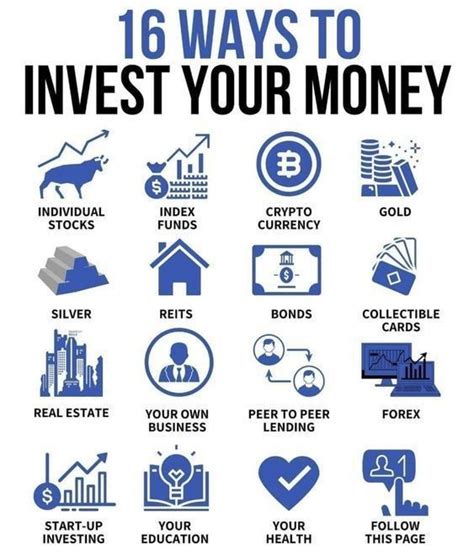
- Stocks: Investing in individual companies can offer significant returns but comes with higher risk.
- Index Funds & ETFs: For most men, broad-market index funds (e.g., S&P 500) or Exchange Traded Funds (ETFs) offer diversified exposure to thousands of companies with lower fees and less risk than picking individual stocks. They are excellent for long-term growth.

2. Fixed Income: Stability and Income
- Bonds: Government and corporate bonds provide stability, generate income, and can act as a cushion during stock market downturns. They are crucial for balancing a growth-oriented portfolio, especially as retirement approaches.
- Bond Funds: Similar to stock index funds, bond funds offer diversified exposure to various bonds.
3. Real Estate: Tangible Assets
- Direct Ownership: Investing in rental properties can provide passive income and potential appreciation, though it requires active management.
- REITs (Real Estate Investment Trusts): For those seeking real estate exposure without direct management, REITs trade like stocks and invest in income-producing properties.
4. Retirement Accounts: Tax-Advantaged Growth
- 401(k) / 403(b): Employer-sponsored plans offer tax deductions on contributions and tax-deferred growth. Maximize employer match—it’s free money.
- IRAs (Traditional & Roth): Individual Retirement Accounts provide additional tax advantages. Traditional IRAs offer tax-deductible contributions, while Roth IRAs provide tax-free withdrawals in retirement.

Advanced Considerations for Long-Term Success
1. Tax Efficiency
Understand how different investments are taxed. Utilize tax-advantaged accounts first. Consider tax-loss harvesting and investing in tax-efficient funds to minimize your tax burden and maximize net returns.
2. Regular Review and Rebalancing
Your life circumstances and market conditions change. Periodically review your portfolio (e.g., annually) to ensure it still aligns with your goals and risk tolerance. Rebalance by selling assets that have grown significantly and buying those that are underweight to maintain your desired asset allocation.
3. Avoid Emotional Investing and Chasing Trends
Market corrections are inevitable. Panicking and selling during downturns locks in losses. Similarly, chasing hot stocks or trends often leads to poor returns. Stick to your long-term plan, focus on diversification, and avoid making impulsive decisions based on headlines.

4. Seek Professional Guidance
While self-directed investing is popular, a qualified financial advisor can provide personalized strategies, help manage complex portfolios, and offer objective advice, especially during significant life changes or market volatility.

Conclusion: Charting Your Course to Financial Freedom
Building long-term wealth and achieving financial freedom as a man is a marathon, not a sprint. It demands discipline, patience, and a well-thought-out strategy. By starting early, diversifying wisely, leveraging tax-advantaged accounts, and staying committed to your plan, you can confidently navigate the investment landscape and secure a prosperous future for yourself and your loved ones. Take control of your financial destiny today, and empower your future self.