Understanding Protein’s Role in Muscle Growth
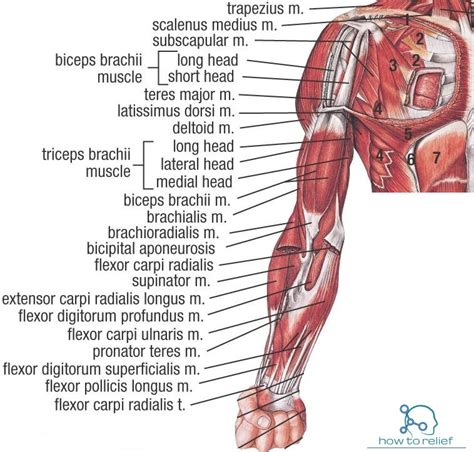
For men dedicated to building muscle, protein isn’t just a nutrient; it’s the fundamental building block. Every time you engage in resistance training, your muscle fibers experience microscopic tears. Protein, broken down into amino acids, is essential for repairing these tears and subsequently building new, stronger muscle tissue in a process known as muscle protein synthesis. Without adequate protein, the body struggles to recover, adapt, and grow, rendering even the most intense workouts less effective.
While the importance of protein is widely accepted, the exact amount needed for optimal muscle growth can be a topic of much debate. Generic guidelines often fall short for individuals with specific fitness goals, leaving many men wondering if they’re consuming enough to truly fuel their gains.
General Protein Recommendations for Muscle Hypertrophy
For men actively engaged in strength training and aiming for muscle hypertrophy (growth), the consensus among sports nutritionists and researchers typically points to a higher protein intake than the standard recommended daily allowance (RDA). While the RDA for protein is 0.8 grams per kilogram of body weight, this is generally considered the minimum to prevent deficiency, not to optimize muscle growth.
For individuals focused on building muscle, a more effective range is usually:
- 1.6 to 2.2 grams of protein per kilogram of body weight per day (0.7 to 1.0 grams per pound).
For example, a 180-pound (approximately 82 kg) man would aim for roughly 130 to 180 grams of protein daily. This range provides a sufficient supply of amino acids to support muscle repair, recovery, and growth, especially when combined with consistent resistance training.

Factors Influencing Individual Protein Needs
It’s crucial to understand that protein requirements are not one-size-fits-all. Several individual factors can influence how much protein a man truly needs:
Activity Level and Training Intensity
The more intensely and frequently you train, the greater your muscles’ demand for repair and growth, thus increasing your protein needs. Athletes and individuals with very demanding physical jobs might lean towards the higher end of the recommended range.
Body Composition and Goals
If you’re in a calorie deficit aiming for fat loss while preserving muscle, a slightly higher protein intake (often up to 2.2-2.8 g/kg or 1.0-1.2 g/lb) can be beneficial. Protein is highly satiating and helps prevent muscle breakdown during periods of calorie restriction.
Age
As men age, anabolic resistance can increase, meaning the body becomes less efficient at utilizing protein for muscle protein synthesis. Older adults may benefit from slightly higher protein intakes to counteract sarcopenia (age-related muscle loss).
Overall Diet
The adequacy of your carbohydrate and fat intake also plays a role. If your calorie intake is too low, protein might be used for energy instead of muscle building, effectively increasing the ‘demand’ for protein to ensure enough is left for anabolism.

Quality and Timing of Protein Intake
Protein Quality
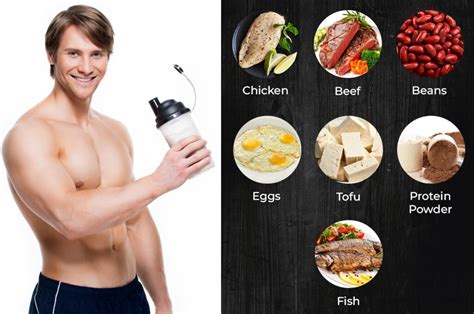
Not all proteins are created equal. Prioritize ‘complete proteins,’ which contain all nine essential amino acids the body cannot produce on its own. Excellent sources include:
- Lean meats (chicken, beef, turkey)
- Fish (salmon, tuna)
- Eggs
- Dairy (milk, Greek yogurt, cottage cheese)
- Whey and casein protein powders
Plant-based sources like soy, quinoa, and a combination of legumes and grains can also provide a complete amino acid profile.
Timing Your Protein
While the total daily protein intake is most critical, distributing protein consumption throughout the day can optimize muscle protein synthesis. Aim for 20-40 grams of protein in 3-5 meals or snacks, roughly every 3-4 hours. Consuming protein around your workouts (pre- and post-training) can also be beneficial, providing a steady supply of amino acids to working muscles and aiding in recovery.
Practical Strategies for Meeting Protein Goals
Achieving optimal protein intake doesn’t have to be complicated. Here are some practical tips:
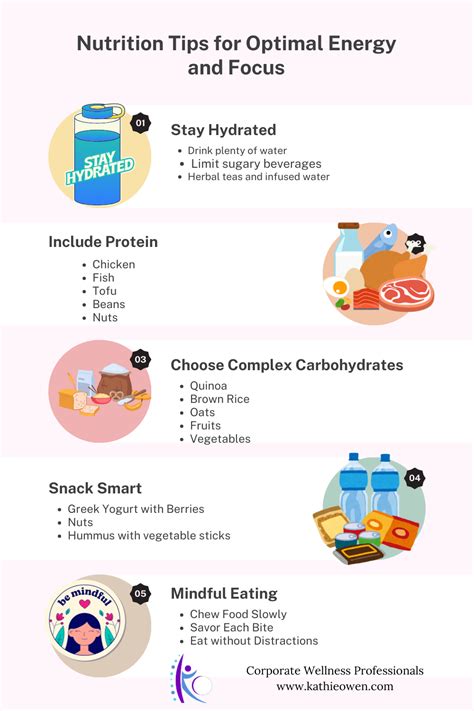
- Plan Meals in Advance: Incorporate protein into every meal and most snacks.
- Lean Protein Sources: Stock up on chicken breast, turkey, fish, lean beef, eggs, and dairy products.
- Protein-Rich Snacks: Keep Greek yogurt, cottage cheese, hard-boiled eggs, nuts, and protein bars handy.
- Supplements When Needed: Whey or casein protein powders can be convenient and effective for reaching daily targets, especially around workouts or as a quick snack.
- Track Your Intake: Initially, use a food tracking app to get an accurate idea of your current protein consumption and make adjustments.
Remember, consistency is key. Meeting your protein goals day in and day out, coupled with progressive resistance training, will provide the best fuel for optimal muscle growth.

Conclusion
For men aiming for optimal muscle growth, targeting a daily protein intake of 1.6 to 2.2 grams per kilogram of body weight (0.7 to 1.0 grams per pound) is generally recommended. This range supports muscle repair, recovery, and hypertrophy, especially when combined with consistent strength training. Factors like activity level, body composition goals, and age can influence individual needs, sometimes warranting slightly higher amounts. Prioritizing high-quality protein sources and distributing intake throughout the day will provide your muscles with the consistent fuel they need to grow bigger and stronger.