Relationship conflict is an inevitable part of any human connection. It’s not the presence of disagreements that defines the strength of a relationship, but rather how those disagreements are navigated and resolved. For men who embody true strength—not merely physical prowess, but emotional resilience, integrity, and a deep commitment to their partnerships—conflict becomes an opportunity for growth, understanding, and deeper connection rather than a source of division.
Embracing Emotional Intelligence
A truly strong man understands that emotional intelligence is paramount in resolving conflict. This isn’t about suppressing feelings but acknowledging them, understanding their origin, and choosing how to respond constructively. He takes time to regulate his own emotions before engaging, ensuring he approaches the conversation from a place of calm and clarity, rather than reactivity.

Prioritizing Active Listening
One of the most powerful tools in conflict resolution is active listening. Strong men make a conscious effort to truly hear their partner’s perspective without interruption, planning their defense, or immediately formulating a rebuttal. They listen to understand, not just to respond. This involves asking clarifying questions, reflecting back what they’ve heard, and validating their partner’s feelings, even if they don’t necessarily agree with the premise.
Communicating with Clarity and Respect
When it’s his turn to speak, a strong man communicates his own feelings and needs clearly, respectfully, and without blame. He uses “I” statements (“I feel [emotion] when [situation] because [need is not met]”) instead of accusatory “you” statements. His goal isn’t to “win” the argument or make his partner feel bad, but to express his truth and work towards a mutual solution. He avoids personal attacks, name-calling, or bringing up past grievances unrelated to the current issue.

Taking Responsibility and Offering Solutions
A hallmark of strength is the ability to take responsibility for one’s own actions and contributions to the conflict, no matter how small. Strong men are willing to apologize sincerely for their part, without excuses or deflection. Beyond apologies, they actively participate in finding solutions. This might involve brainstorming compromises, suggesting new strategies for interaction, or committing to specific changes in behavior that can prevent similar conflicts in the future.

Seeking Mutual Understanding and Growth
For strong men, conflict resolution isn’t about one person “winning” and the other “losing.” It’s about strengthening the partnership. They view conflict as an opportunity to gain deeper insight into their partner’s inner world, their own patterns, and the dynamics of the relationship itself. This perspective fosters empathy and encourages both individuals to grow, adapting and evolving together.

Establishing Healthy Boundaries and Future Strategies
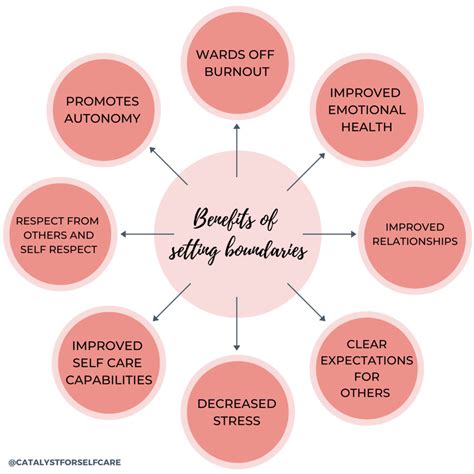
Effective conflict resolution often includes establishing healthy boundaries or new guidelines for how future disagreements will be handled. A strong man might suggest agreed-upon “cooling off” periods, specific communication techniques to employ, or even external support like couples counseling if needed. This proactive approach demonstrates a long-term commitment to the health of the relationship.
Conclusion
The ability to resolve relationship conflict fairly and effectively is a profound indicator of a man’s true strength. It requires courage, vulnerability, emotional intelligence, and an unwavering commitment to the well-being of the partnership. By embracing active listening, respectful communication, personal responsibility, and a growth mindset, strong men transform conflict from a destructive force into a powerful catalyst for deeper connection, understanding, and enduring love. This isn’t just about managing disagreements; it’s about building stronger, more resilient relationships that stand the test of time.