The transition from a sculpted physique honed in the gym to a sharp, professional appearance can often present a unique sartorial challenge for men. While fitness builds strength and confidence, finding off-the-rack attire that complements muscular shoulders, chests, and thighs without appearing bulky or ill-fitting requires a strategic approach. This guide will help men seamlessly bridge the gap, ensuring their professional style is as impeccable as their physical conditioning.
The Foundation: Understanding Fit and Tailoring
The single most crucial element in elevating professional style for an athletic build is proper fit, which almost invariably means embracing tailoring. Ready-to-wear clothing is designed for average body types, not for those with broader shoulders, a V-taper, or muscular legs.
Investing in a good tailor is not a luxury; it’s a necessity. A tailor can transform an off-the-rack garment into something that looks custom-made. Key areas to focus on include:
- Shoulders: This is non-negotiable for jackets and shirts. The seam should sit perfectly at the end of your shoulder.
- Chest and Waist: A good fit should gently skim your chest and taper slightly at the waist, avoiding excess fabric that creates a boxy look.
- Sleeve Length: Shirt cuffs should peek out about half an inch from your jacket sleeves.
- Trouser Break: Trousers should have a slight break over your shoes, or no break for a more modern look, but never too much fabric bunching at the ankle.
Don’t be afraid to buy a size up to accommodate your broadest point (e.g., shoulders or chest) and then have the rest taken in. This is far easier and more effective than trying to stretch a garment that’s too small.
Wardrobe Essentials for the Athletic Build
Building a versatile professional wardrobe begins with selecting pieces that inherently flatter a muscular frame.
Shirts That Work
For dress shirts, look for “athletic fit” or “slim fit” options, but be prepared for tailoring. Fabrics with a slight stretch can offer more comfort and a better drape over a muscular physique. Ensure the shirt allows for full range of motion without pulling across the chest or shoulders. Collar size and style are also important; a spread collar can balance a wider neck or jawline.

The Art of the Suit and Blazer
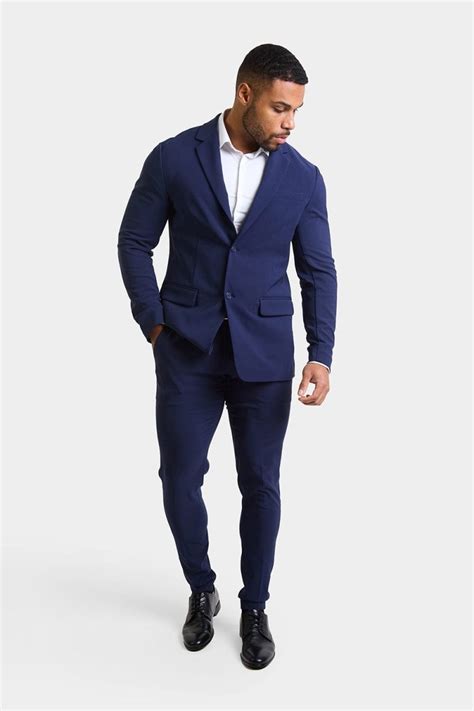
When choosing suits or blazers, opt for single-breasted, two-button styles, which tend to be most universally flattering. The key again is the shoulder fit. Once the shoulders are right, the waist can be taken in, and the sleeves and length adjusted. Consider unlined blazers for a lighter feel and more natural drape, especially in warmer climates.
Trousers should have enough room in the seat and thigh to be comfortable without being baggy. Tapering them slightly from the knee down can create a sharp, modern silhouette that still accommodates muscular legs. Fabrics with a blend of wool and a touch of stretch (like elastane) are excellent choices for comfort and wrinkle resistance.
Fabrics and Details Matter
The material of your clothing plays a significant role in both comfort and appearance. For professional wear, prioritize natural fibers like wool, cotton, and linen (for warmer weather). These materials breathe well and drape elegantly. For men with an athletic build, considering blends with a small percentage of synthetic stretch fibers can offer crucial flexibility and ease of movement, preventing that “stuffed” feeling.
Pay attention to details like lapel width (should be proportionate to your chest), button quality, and stitching. These subtle elements contribute significantly to the overall perception of quality and sophistication.
Accessorize with Intention
Accessories are the finishing touches that can elevate an outfit from good to outstanding.
- Ties: Choose ties with a knot that suits your collar and face shape. A full knot like a Windsor can balance a stronger neck.
- Pocket Squares: A well-chosen pocket square adds a touch of personality and polish.
- Watches: A quality watch is a timeless statement piece.
- Belts and Shoes: Always match your belt to your shoes in terms of color and finish. Invest in high-quality leather shoes that are well-maintained.
These small details show attention to presentation and an understanding of sophisticated style.
Beyond the Boardroom: Smart Casual Integration
The principles of good fit and quality fabrics extend to smart casual attire as well. Dark wash jeans or chinos, well-fitting polo shirts, and casual blazers can be part of a professional man’s rotation. Ensure these items also fit well around your physique. A well-fitted polo that accentuates your biceps without straining, or chinos that provide room for your thighs while tapering nicely, are key. Layering with a sharp, unstructured blazer can instantly elevate a casual shirt and trousers.

Conclusion: Confidence is Your Best Garment
Transitioning from gym gains to sharp professional attire is an art that combines understanding your body, prioritizing fit and tailoring, selecting quality fabrics, and paying attention to detail. The goal isn’t to hide your physique but to showcase it thoughtfully and professionally. When your clothes fit well and reflect your personal style, they enhance your natural confidence, allowing you to command respect and project authority in any professional setting. Remember, true style is about feeling good in what you wear, and that starts with clothing that fits you, not the other way around.