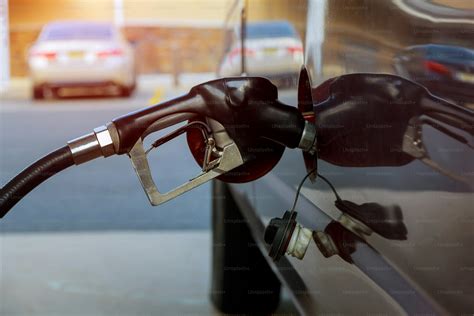
Navigating the gas station can sometimes feel like a test, especially when faced with choices like “Regular,” “Mid-Grade,” and “Premium.” Many drivers wonder if opting for a higher octane fuel will unlock hidden performance, improve fuel economy, or if it’s simply a costly indulgence. Understanding your vehicle’s true fuel requirements is key to optimizing both its performance and your budget.
Understanding Octane Ratings: More Than Just Power
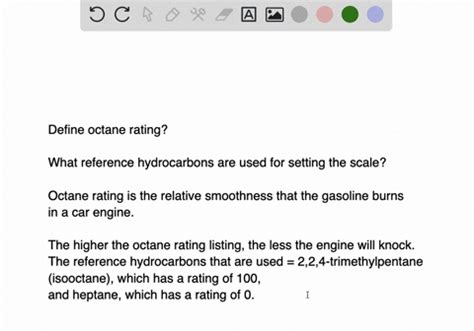
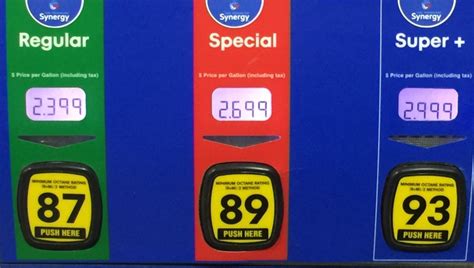
The numbers prominently displayed on fuel pumps—typically 87, 89, 91, and 93—represent the fuel’s octane rating. Contrary to popular belief, a higher octane rating doesn’t mean more power or energy in the fuel. Instead, octane measures a fuel’s resistance to “knock” or “pre-ignition.” Engine knock occurs when the air-fuel mixture ignites prematurely, creating uncontrolled combustion that can damage the engine over time.
Engines with higher compression ratios or those that are turbocharged or supercharged generate more heat and pressure within their cylinders, making them more susceptible to knock. These engines require higher octane fuel to prevent premature ignition and ensure smooth, efficient operation.
Your Car’s Requirement: Check the Manual, Not Just the Pump
The definitive guide to your car’s fuel needs is its owner’s manual. You’ll also often find a sticker inside the fuel filler door. This information will specify whether your vehicle requires regular (87 octane), or if it recommends a higher grade. It’s crucial to differentiate between “required” and “recommended.”
- Required: If your manual states a specific octane is “required,” using a lower grade can lead to engine knock, reduced performance, and potential long-term damage.
- Recommended: If a higher octane is “recommended,” your engine is designed to run optimally on that fuel, but it can safely operate on a lower grade (e.g., 87 octane) without damage, though with potentially a slight, often imperceptible, dip in maximum performance or fuel efficiency. Modern engines with knock sensors can adjust timing to compensate.
The Premium Fuel Myth: Don’t Waste Your Money
One of the most persistent myths is that putting premium fuel into a car designed for regular unleaded will clean the engine, boost horsepower, or yield better mileage. For the vast majority of vehicles—those that require 87 octane—this is simply not true. You’re essentially paying more for a knock resistance that your engine doesn’t need, and it offers no additional benefit in terms of performance or efficiency.
When Premium Is Necessary (and Worth It)
Premium fuel is a necessity for certain vehicles, primarily high-performance luxury cars, sports cars, and many modern vehicles with direct injection and forced induction (turbochargers or superchargers). These engines operate under higher pressures and temperatures, making them prone to knock if lower octane fuel is used. In these cases, using the correct fuel grade is vital for protecting the engine, achieving advertised performance figures, and maintaining fuel efficiency.
Modern Engine Control Units (ECUs) are sophisticated. If you put lower-octane fuel into an engine requiring premium, the knock sensors will detect the pre-ignition and the ECU will retard ignition timing to prevent damage. While this protects the engine, it also reduces horsepower and fuel economy. So, you end up with worse performance and possibly similar fuel costs as if you’d just bought the proper fuel in the first place.
Practical Tips for Optimizing Performance and Cutting Costs
To ensure you’re getting the best out of your vehicle without overspending, consider these practical tips:
- Consult Your Owner’s Manual: This is your primary source of truth. Stick to what it says is “required.”
- Avoid Unnecessary Premium: If your car specifies 87 octane, spending extra on 89 or 91+ is likely throwing money away.
- Maintain Your Vehicle: A well-maintained engine is an efficient engine. Regular oil changes, air filter replacements, and spark plug checks contribute more to fuel economy and performance than choosing a higher octane fuel that isn’t required.
- Drive Smart: Smooth acceleration and deceleration, avoiding excessive idling, and maintaining proper tire pressure all have a more significant impact on fuel costs than agonising over fuel grades.
- Consider Fuel Additives Sparingly: Most reputable brands of gasoline already contain detergents and additives. Only use aftermarket fuel system cleaners if recommended by your mechanic or if you suspect a specific issue (e.g., injector clogging).

Conclusion: Fuel Your Car Smartly
Choosing the right fuel grade doesn’t have to be complicated. The simple rule of thumb is to always follow your vehicle manufacturer’s recommendation or requirement. For most cars, regular unleaded is perfectly adequate and using premium offers no benefit. For high-performance or specific engines, premium is a necessity to protect the engine and ensure optimal operation. By understanding the true meaning of octane and adhering to your car’s design, you can confidently fill up, optimize your vehicle’s performance, and keep more money in your wallet.