Optimizing Your Ride: Performance Without the Pump Pain
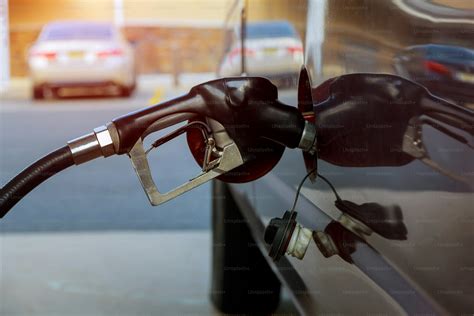
For many men, the car isn’t just a mode of transport; it’s an extension of personal freedom and capability. The thought of sacrificing performance for fuel economy can feel like a compromise too far. However, it’s entirely possible to significantly reduce your fuel bill while maintaining – and even enhancing – your vehicle’s responsiveness and power. This guide delves into actionable strategies that blend smart driving with astute maintenance and modern technology, ensuring your wallet stays heavier without your driving experience feeling lighter.

Mastering the Art of Efficient Driving
Your driving style is perhaps the single biggest factor in fuel consumption. Aggressive acceleration and hard braking are fuel guzzlers. Instead, adopt a smoother, more anticipatory approach:
- Smooth Acceleration: Gently press the accelerator rather than flooring it. Rapid acceleration uses significantly more fuel. Aim for a steady build-up of speed.
- Anticipate Traffic: Look ahead to predict traffic flow, red lights, and turns. By doing so, you can gradually ease off the accelerator and coast, avoiding unnecessary braking and subsequent re-acceleration.
- Maintain Steady Speeds: On highways, use cruise control to maintain a constant speed. Fluctuations in speed, even minor ones, increase fuel usage. Avoid speeding; fuel economy typically drops sharply above 60-65 mph.
- Limit Idling: If you’re going to be stationary for more than 30 seconds (excluding traffic stops), it’s more fuel-efficient to turn off your engine and restart it. Modern cars are designed for this.
The Undeniable Power of Proper Vehicle Maintenance
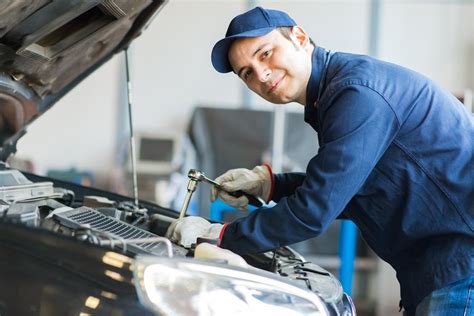
A well-maintained car runs more efficiently. Neglecting routine service not only costs you at the pump but can also lead to costly repairs down the line. Focus on these key areas:
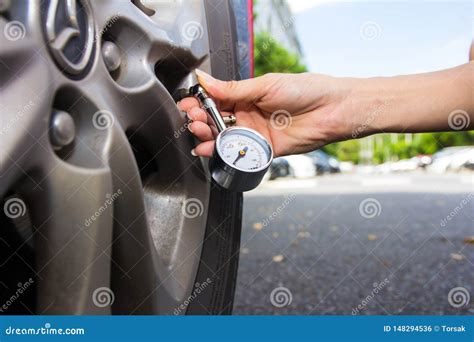
- Tire Pressure: Underinflated tires increase rolling resistance, forcing your engine to work harder. Check your tire pressure regularly (at least once a month) against the manufacturer’s recommended PSI, usually found on a sticker inside the driver’s door jamb. Proper inflation can improve fuel economy by up to 3%.
- Engine Oil: Use the manufacturer-recommended grade of motor oil. Modern synthetic oils reduce friction within the engine, improving efficiency and performance. Regular oil changes keep your engine running smoothly.
- Air Filters: A clogged air filter restricts airflow to the engine, making it work harder and consume more fuel. Replace both your engine air filter and cabin air filter as per your car’s service schedule.
- Spark Plugs: Worn spark plugs lead to inefficient combustion. Replacing them at recommended intervals ensures your engine is firing optimally, preserving both performance and fuel economy.
- Fuel System Cleaning: Periodically use a high-quality fuel system cleaner. These products can remove deposits from injectors and valves, ensuring optimal fuel delivery and combustion.
Smart Vehicle Enhancements and Technologies
While some aftermarket modifications are detrimental to fuel economy, others can offer benefits without performance loss:
- Aerodynamics: Remove roof racks or cargo carriers when not in use. These create drag and significantly increase fuel consumption, especially at highway speeds. For trucks, tonneau covers can improve aerodynamics.
- Weight Reduction: Remove unnecessary items from your trunk or back seat. Every extra pound your car carries slightly increases fuel usage.
- Engine Tuning (Carefully): Performance-oriented ECU tunes can sometimes optimize fuel delivery for both power and efficiency. However, choose reputable tuners, as poor tuning can harm your engine or increase fuel consumption.
- Modern Fuel-Efficient Tires: Look for “low rolling resistance” tires. These are designed to minimize friction with the road without sacrificing grip, contributing to better fuel economy.

Strategic Planning and Lifestyle Choices
Beyond the car itself, how you approach driving can make a significant difference:
- Combine Trips: Plan your errands to group multiple stops into one journey. Cold starts consume more fuel, so fewer separate trips are better.
- Avoid Rush Hour: Stop-and-go traffic is terrible for fuel economy. If possible, adjust your travel times to avoid peak congestion.
- Use Navigation Wisely: Modern navigation systems can often suggest the most fuel-efficient routes by avoiding heavy traffic or unnecessary detours.

Conclusion: Drive Smarter, Not Less
Saving money on car fuel doesn’t mean you have to relegate your ride to a sluggish, uninspired existence. By implementing a combination of mindful driving habits, diligent maintenance, and smart choices regarding vehicle enhancements and travel planning, you can significantly cut your fuel expenses. The best part? Many of these strategies also contribute to a smoother, safer, and ultimately more enjoyable driving experience, preserving your car’s performance for years to come.