Confronting High-Interest Credit Card Debt Head-On
High-interest credit card debt can feel like a relentless uphill battle, eroding financial progress and causing significant stress. For men looking to quickly regain control and secure their financial future, a proactive and strategic approach is essential. This guide will outline actionable steps to rapidly pay down those burdensome balances and move towards financial freedom.
Understanding the High-Interest Trap
The first step in defeating high-interest credit card debt is to truly understand its mechanics. These cards often carry Annual Percentage Rates (APRs) upwards of 18-25%, meaning a significant portion of your minimum payment goes directly to interest, making it incredibly difficult to reduce the principal balance. The longer the debt lingers, the more you pay, trapping you in a cycle that feels impossible to escape. Recognizing this urgency is crucial for motivating aggressive repayment.
Strategy 1: Prioritize with the Avalanche or Snowball Method
Two popular debt repayment strategies can help men tackle multiple credit cards efficiently:
- Debt Avalanche: This method focuses on paying off the card with the highest interest rate first, while making minimum payments on all other cards. Once the highest-interest card is paid off, you take the money you were paying on it and apply it to the next highest-interest card. This strategy saves the most money on interest over time.
- Debt Snowball: If motivation is your primary concern, the debt snowball might be more effective. Here, you pay off the card with the smallest balance first, regardless of the interest rate, while making minimum payments on others. The quick wins provide psychological boosts, encouraging you to keep going. Once a small card is paid off, you roll that payment into the next smallest balance.
For high-interest debt, the avalanche method is generally recommended as it is mathematically superior, saving you more money in the long run.
Strategy 2: Consolidate or Refinance for Lower Rates
Reducing your interest rate can dramatically accelerate your repayment efforts. Consider these options:
- Balance Transfer Cards: If you have good credit, you might qualify for a 0% introductory APR balance transfer card. This allows you to transfer your high-interest debt to a new card and pay no interest for 12-21 months, giving you a crucial window to make significant progress. Be mindful of transfer fees (usually 3-5%) and ensure you can pay off the balance before the promotional period ends.
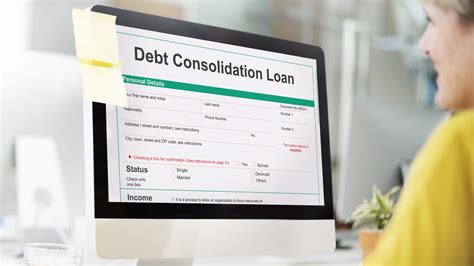
- Personal Loans: A personal loan can consolidate multiple credit card debts into a single payment with a fixed interest rate, often much lower than credit card APRs. This simplifies your payments and provides a clear end date for your debt.
- Home Equity Line of Credit (HELOC): If you own a home and have equity, a HELOC can offer a lower interest rate, but it uses your home as collateral, so proceed with caution.
Strategy 3: Boost Income and Slash Expenses
To truly accelerate debt repayment, you need to free up more cash flow. This means a two-pronged approach:
- Increase Income: Explore opportunities for overtime at your current job, take on a side hustle (freelancing, gig work, part-time job), or even sell unused items around your house. Every extra dollar should go directly towards your highest-interest debt.
- Aggressively Cut Expenses: Conduct a thorough review of your budget. Identify non-essential spending that can be reduced or eliminated temporarily. This might mean cutting back on dining out, subscriptions, entertainment, or expensive habits. The goal is to live as frugally as possible until your debt is under control.

Strategy 4: Negotiate with Creditors
Don’t underestimate the power of communication. If you’re struggling to make payments or have a good payment history, call your credit card companies. They may be willing to:
- Lower your interest rate: This is a common request and can significantly reduce your monthly interest accrual.
- Waive late fees: If you accidentally miss a payment, a quick call might get the fee removed.
- Offer a hardship plan: In severe cases, they might offer a temporary reduction in minimum payments or interest rates.

Strategy 5: Build a Financial Defense for the Future
Once you start making progress, it’s vital to put safeguards in place to prevent falling back into debt:
- Establish an Emergency Fund: Aim for at least 3-6 months of living expenses saved in an easily accessible account. This prevents unexpected costs (car repair, medical bill) from forcing you back to your credit cards.
- Budgeting and Tracking: Implement a robust budgeting system to track your income and expenses. This keeps you aware of where your money is going and helps maintain financial discipline.
- Use Credit Wisely: After debt is paid off, use credit cards sparingly, if at all, and always pay the full statement balance every month to avoid interest charges.
Taking Decisive Action
Paying off high-interest credit card debt quickly requires discipline, consistent effort, and a clear strategy. By prioritizing debts, leveraging lower interest rates, boosting your income, cutting expenses, and building a strong financial foundation, men can effectively eliminate this burden and pave the way for a more secure and prosperous future. The time to act is now.