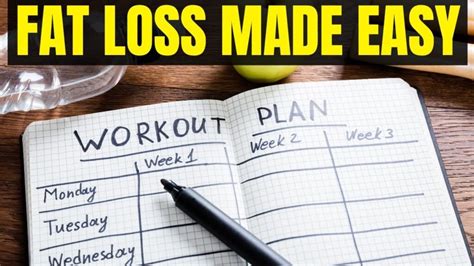
Understanding Stubborn Belly Fat After 30
As men cross the threshold of 30, many find that losing weight, especially around the midsection, becomes a significantly greater challenge. This isn’t just a matter of willpower; physiological changes play a crucial role. Metabolism naturally slows down, meaning your body burns fewer calories at rest. Hormonal shifts also come into play; testosterone levels, which help maintain muscle mass and regulate fat distribution, begin to decline, while cortisol (the stress hormone) can increase, both contributing to increased fat storage, particularly visceral fat.
Visceral fat, the type that accumulates around your organs deep within the abdomen, is not only cosmetically undesirable but also a major health risk. It’s strongly linked to heart disease, type 2 diabetes, certain cancers, and other metabolic issues. Therefore, addressing stubborn belly fat isn’t just about looking better; it’s about safeguarding your long-term health.

Nutrition: The Foundation of Fat Loss
Effective belly fat loss begins in the kitchen. Focusing on a strategic, sustainable dietary approach is paramount.
Prioritize Protein and Fiber
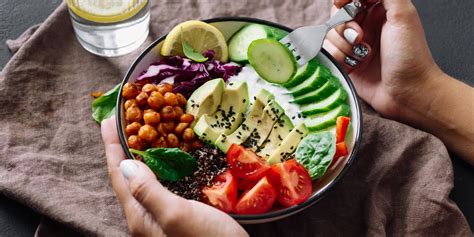
Protein is crucial for men over 30. It helps preserve muscle mass during weight loss, which is vital for maintaining a healthy metabolism. Aim for a lean protein source with every meal, such as chicken breast, fish, eggs, Greek yogurt, or plant-based options like lentils and beans. Fiber-rich foods, including vegetables, fruits, and whole grains, promote satiety, helping you feel fuller for longer and reducing overall calorie intake. They also aid digestion and stabilize blood sugar levels.
Reduce Sugar and Processed Foods
One of the quickest ways to tackle belly fat is to drastically cut down on added sugars, sugary drinks, and highly processed foods. These items are typically high in empty calories, low in nutrients, and contribute significantly to fat storage, particularly around the abdomen. Opt for whole, unprocessed foods that your body can recognize and utilize effectively.
Embrace Healthy Fats and Portion Control
Don’t be afraid of healthy fats from sources like avocados, nuts, seeds, and olive oil. They are essential for hormone production and satiety. However, even healthy fats are calorie-dense, so portion control remains critical. Pay attention to your serving sizes and consider tracking your food intake for a few days to get an accurate picture of your calorie consumption.
Effective Exercise for Visceral Fat
While diet is key, exercise is indispensable for targeting stubborn belly fat and improving overall health.
Strength Training for Muscle Mass
Muscle mass naturally declines with age, further slowing metabolism. Incorporating regular strength training (2-3 times per week) is non-negotiable for men over 30. Building and maintaining muscle mass not only boosts your metabolic rate but also improves body composition, making you look leaner and stronger. Focus on compound movements like squats, deadlifts, presses, and rows that engage multiple muscle groups.
Incorporate High-Intensity Interval Training (HIIT)
HIIT involves short bursts of intense exercise followed by brief recovery periods. This type of training is highly effective for fat loss, including visceral fat, and has been shown to be more efficient than steady-state cardio for burning calories and boosting metabolism post-workout. Aim for 15-20 minutes of HIIT 1-2 times per week.
Don’t Forget Cardio
While strength training and HIIT are powerful, don’t neglect moderate-intensity cardio. Activities like brisk walking, jogging, cycling, or swimming for 30-45 minutes, 2-3 times a week, improve cardiovascular health and contribute to overall calorie expenditure, supporting your fat loss goals.

Crucial Lifestyle Adjustments
Beyond diet and exercise, several lifestyle factors significantly impact your ability to shed belly fat.
Manage Stress and Prioritize Sleep
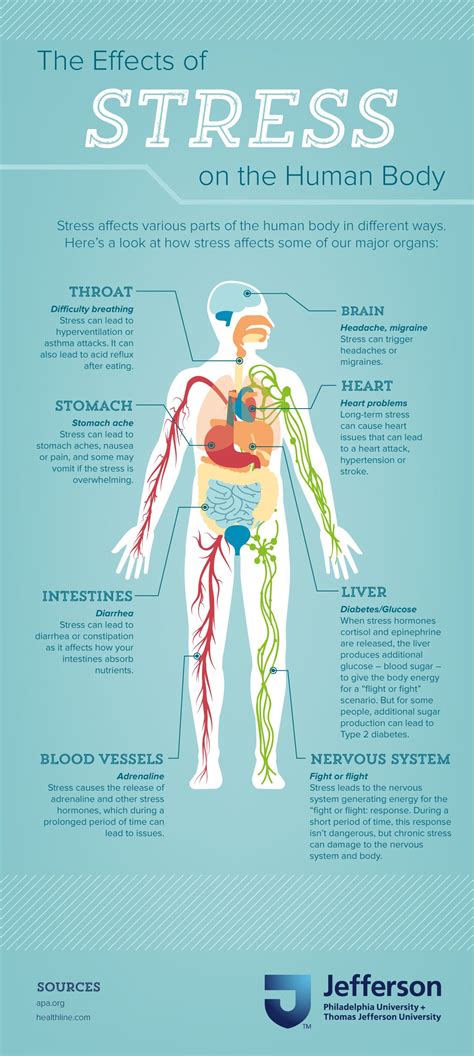
Chronic stress elevates cortisol levels, directly contributing to increased belly fat. Implement stress-reducing techniques such as meditation, yoga, spending time in nature, or engaging in hobbies. Quality sleep is equally vital; aiming for 7-9 hours per night helps regulate hormones that control appetite and fat storage. Poor sleep can disrupt ghrelin and leptin, making you hungrier and more likely to store fat.
Stay Hydrated and Limit Alcohol
Drinking plenty of water throughout the day can support metabolism, help with satiety, and aid in digestion. Conversely, alcohol, especially in excess, provides empty calories, impairs fat burning, and can lead to increased belly fat accumulation. Reducing alcohol intake can make a noticeable difference in your midsection.
Consistency is Key to Long-Term Success
Losing stubborn belly fat after 30 requires patience, consistency, and a holistic approach. There are no quick fixes; sustainable results come from consistent adherence to healthy habits. Embrace this journey as a lifestyle change, not a temporary diet or exercise fad.
Monitor your progress, but don’t obsess over the scale. Focus on how your clothes fit, your energy levels, and overall well-being. If you’re struggling, consider consulting with a healthcare professional, registered dietitian, or certified personal trainer who can provide personalized guidance and address any underlying health concerns, including potential hormonal imbalances.

By combining targeted nutrition, effective exercise, and crucial lifestyle adjustments, men over 30 can successfully tackle stubborn belly fat, improve their health, and enhance their quality of life.