The Pursuit of Early Financial Freedom
For many men, reaching financial independence (FI) by 50 isn’t just a dream; it’s a tangible goal that promises freedom, flexibility, and the ability to live life on their own terms. Achieving this milestone requires more than just saving; it demands a disciplined, optimized investment strategy coupled with smart financial habits. This guide will walk you through the essential steps to make that aspiration a reality.
The journey to FI by 50 means making strategic choices early on, understanding the power of compounding, and consistently working towards your financial targets. It’s about setting a clear vision and implementing a robust plan that leverages various investment vehicles and smart money management.

Defining Your Financial Independence Number
Before you can optimize investments, you need to know your target. Financial independence is typically defined by the point where your passive income covers your living expenses. A common rule of thumb is the “25x rule,” which suggests you need to accumulate 25 times your annual living expenses to be financially independent. For example, if your annual expenses are $60,000, your FI number would be $1.5 million.
Start by meticulously tracking your current expenses to get a realistic picture of your lifestyle costs. This number isn’t static; it can be reduced through mindful spending, which in turn lowers your FI target and accelerates your journey. Understanding this number is the bedrock of your investment strategy.
Supercharging Your Savings Rate
Achieving FI by 50 necessitates an aggressive savings rate, often far exceeding the conventional 10-15%. To dramatically shorten your timeline, aim for a savings rate of 30%, 40%, or even 50% or more. This means prioritizing saving over discretionary spending and finding ways to increase your income.
Maximizing contributions to tax-advantaged accounts like 401(k)s, IRAs (Roth or Traditional), and HSAs is crucial. These accounts offer significant tax benefits that can dramatically boost your investment growth over time. Additionally, consider after-tax investment vehicles once you’ve maxed out your primary accounts.

Strategic Investment Approaches for Growth
Once you’re saving aggressively, the next step is to invest wisely. A diversified portfolio is key to mitigating risk while maximizing returns. For a timeline stretching to age 50, a growth-oriented approach is generally suitable:
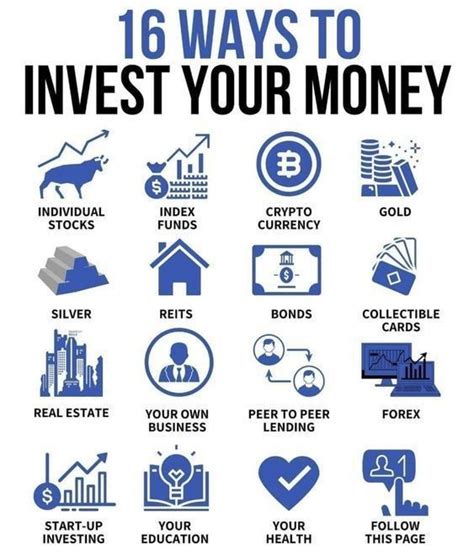
- Equity-Heavy Portfolio: Early on, a significant portion of your portfolio (e.g., 70-90%) should be in equities, specifically low-cost index funds or ETFs that track broad markets (like the S&P 500 or total world stock market). These offer diversification and historical long-term growth.
- Bonds and Fixed Income: As you get closer to 50, you might gradually introduce more bonds to reduce volatility, though a substantial portion should still remain in growth assets.
- Real Estate: Consider real estate investments, either directly through rental properties or indirectly via Real Estate Investment Trusts (REITs), for diversification and potential passive income streams.
- Alternative Investments: For those with higher risk tolerance and knowledge, exploring private equity, venture capital, or even certain cryptocurrencies could offer amplified returns, but come with increased risk.
The power of compound interest is your greatest ally. Starting early allows your money more time to grow exponentially, turning even modest initial investments into substantial wealth over decades. Consistency and patience are paramount.

Optimizing Income and Managing Risk
While cutting expenses and investing wisely are fundamental, optimizing your income stream can significantly accelerate your path to FI. This could involve:
- Career Advancement: Continuously developing skills, seeking promotions, or switching jobs for higher salaries.
- Side Hustles: Generating additional income through freelancing, consulting, or starting a small business.
- Passive Income Streams: Developing income sources that require minimal ongoing effort, such as dividends from stocks, rental income, or royalties.
Equally important is managing risk. Maintain an emergency fund (3-6 months of living expenses) in a high-yield savings account. Regularly review and rebalance your portfolio to ensure it aligns with your risk tolerance and financial goals. Consider adequate insurance (health, life, disability) to protect your assets and future income from unforeseen circumstances.
Stay Disciplined and Adapt
The path to financial independence by 50 is a marathon, not a sprint. It requires discipline, continuous learning, and the ability to adapt to changing market conditions and personal circumstances. Regularly review your progress, adjust your budget and investment strategy as needed, and stay informed about personal finance best practices.
By defining your FI number, supercharging your savings, implementing a strategic investment plan, optimizing your income, and managing risk effectively, men can build a robust financial future and confidently step into financial independence by the age of 50. The journey is challenging but immensely rewarding.