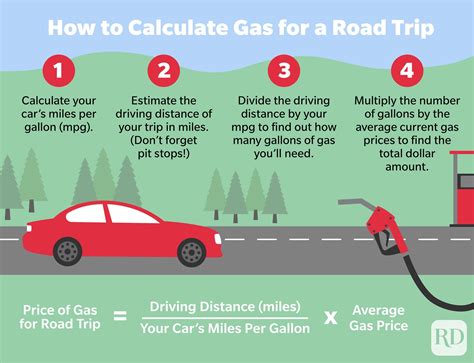
In an era of fluctuating fuel prices, optimizing your vehicle’s fuel efficiency isn’t just a smart move for your wallet; it’s a testament to good stewardship of your resources. For many men, driving is more than just getting from point A to B – it’s often a significant part of daily routines, work, and leisure. By adopting a few key strategies, you can dramatically increase your miles per gallon (MPG) and watch those weekly gas expenses shrink.
Understanding Your Vehicle’s Fuel Consumption
Before you can improve your MPG, it’s crucial to understand what factors contribute to your vehicle’s fuel consumption. Everything from your car’s weight and engine size to its aerodynamics and tire type plays a role. Knowing your vehicle’s baseline MPG (check your owner’s manual or a reliable online source) provides a starting point for improvement.
Environmental factors like terrain, weather, and traffic conditions also heavily influence fuel economy. While you can’t control the weather, being aware of these external variables can help you anticipate their impact and adjust your driving accordingly.

Smart Driving Habits for Better MPG
The way you drive has the most immediate and significant impact on your fuel efficiency. Adopting a smoother, more deliberate driving style can yield impressive savings.
- Smooth Acceleration and Braking: Aggressive driving, with rapid accelerations and hard braking, guzzles gas. Imagine there’s an egg under your accelerator pedal and brake pedal – apply pressure gently and consistently. Anticipate traffic and lights to reduce sudden stops and starts.
- Maintain a Steady Speed: Cruising at a consistent speed, especially on highways, is key. Use cruise control when appropriate to avoid unconscious speed fluctuations. Significant drops in fuel economy occur at speeds above 50-60 mph, so consider easing off the pedal.
- Avoid Excessive Idling: Idling can use a quarter to a half-gallon of fuel per hour, depending on engine size and air conditioner use. If you anticipate being stopped for more than 30 seconds (excluding traffic lights), it’s often more fuel-efficient to turn off your engine and restart it.

Essential Vehicle Maintenance for Men
A well-maintained vehicle is an efficient vehicle. Regular upkeep isn’t just about preventing breakdowns; it’s about ensuring your engine runs optimally and doesn’t waste fuel.
- Check Tire Pressure Regularly: Under-inflated tires increase rolling resistance, forcing your engine to work harder and consume more fuel. Check your tire pressure at least once a month (and before long trips) according to the recommended PSI found on a sticker inside your driver’s side door jamb or in your owner’s manual.
- Keep Your Engine Tuned Up: A properly tuned engine can improve fuel economy by an average of 4%. Regular maintenance, including spark plug replacement and checking engine filters, ensures your engine is operating at peak efficiency.
- Replace Air Filters: A clogged air filter restricts airflow to the engine, which can reduce performance and fuel economy. Replacing a dirty air filter is a simple and inexpensive task that can make a noticeable difference.
- Use the Recommended Oil: Using the correct grade of motor oil recommended by your car’s manufacturer can improve gas mileage by 1-2%.
Practical Tips Beyond the Wheel
Beyond driving habits and maintenance, several other factors can impact your MPG.
- Lighten the Load: Every extra pound your car carries requires more fuel to move. Remove unnecessary items from your trunk or back seat, like golf clubs, tools, or sports gear, if you don’t need them for your current trip.
- Improve Aerodynamics: Roof racks, cargo carriers, and even open windows at highway speeds create drag, reducing fuel efficiency. Remove roof racks when not in use and close windows at higher speeds, using the car’s ventilation system instead.
- Plan Your Routes: Combine errands into a single trip and plan the most efficient route. Cold engines use more fuel, so making fewer, longer trips is better than many short ones. Utilize navigation apps to find routes with less traffic.
Fuel Choices and Monitoring
While most modern cars are designed to run on regular unleaded, ensure you’re using the correct octane level for your vehicle. Using premium fuel when your car doesn’t require it is a waste of money and provides no MPG benefit.
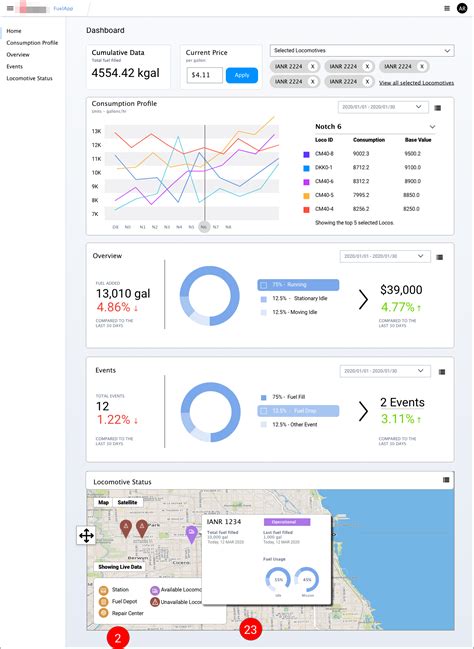
Finally, track your fuel economy. Use a fuel log app or simply note your odometer reading and fuel purchased each time you fill up. This allows you to see the impact of your efforts and identify what strategies are working best for your vehicle and driving style.
Conclusion
Maximizing your MPG and cutting weekly gas expenses isn’t about grand gestures; it’s about a consistent application of smart driving habits and diligent vehicle maintenance. By taking control of these variables, men can not only save a significant amount of money but also contribute to a healthier environment and prolong the life of their vehicles. Start implementing these tips today, and enjoy the satisfaction of seeing your fuel gauge last longer and your wallet feel heavier.